



Rule 349 and ex-Army chief's memoir: Why Rahul Gandhi was gagged in Parliament

Introduction
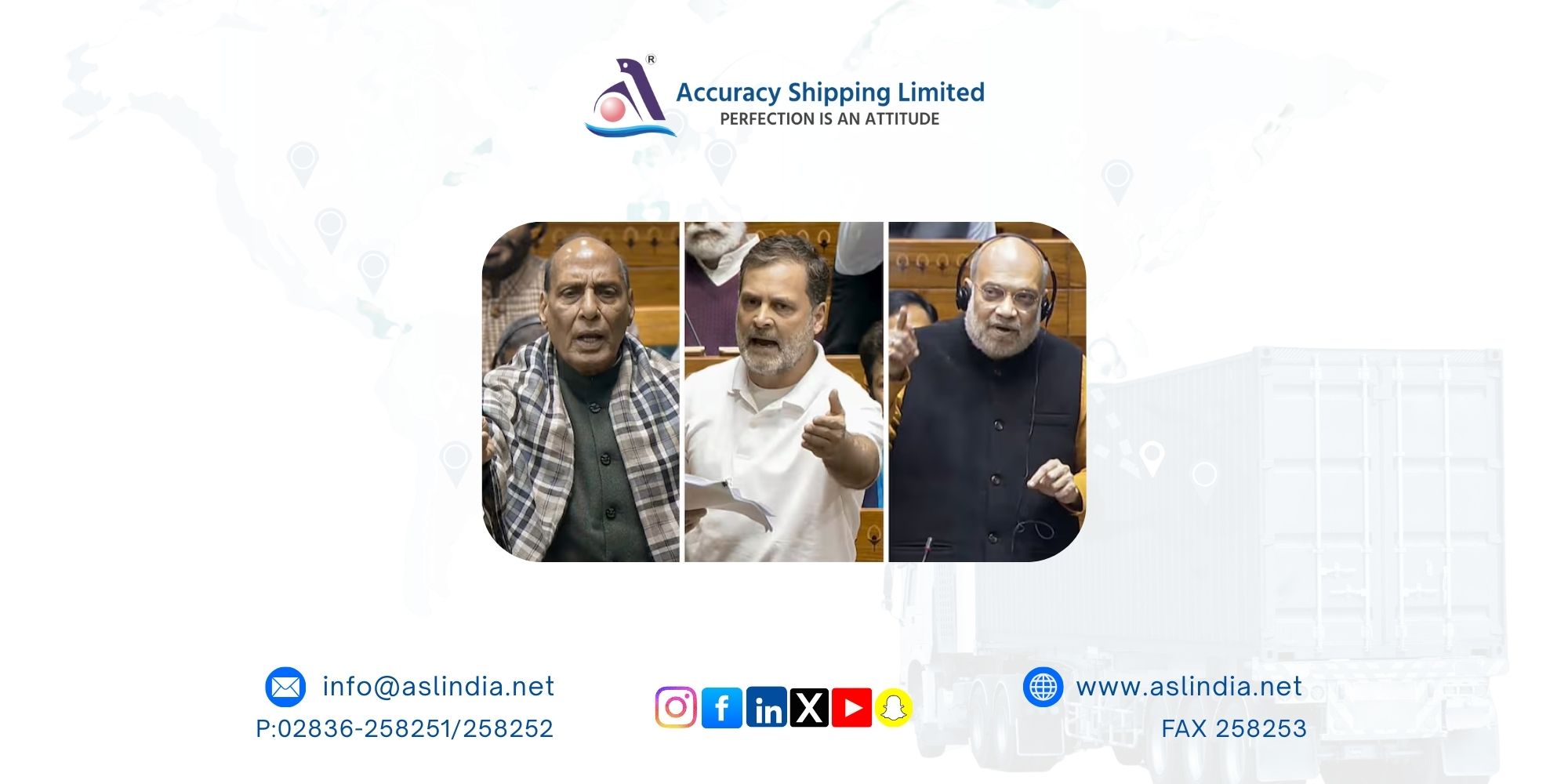
A stormy scene unfolded in the Lok Sabha when Leader of the Opposition Rahul Gandhi was stopped from continuing his speech after citing a magazine article that quoted from an unpublished memoir of former Army Chief General MM Naravane. The intervention by Speaker Om Birla, invoking Rule 349 of the Rules of Procedure and Conduct of Business, triggered a fierce political and procedural debate over parliamentary freedom, national security, and the limits of dissent.
The Trigger: Reference to an Unpublished Memoir
The controversy arose during the debate on the President’s Address, when Rahul Gandhi began his speech by quoting a magazine article that cited passages from Four Stars of Destiny, an unpublished memoir attributed to General Naravane. Referring to India–China tensions, Gandhi started reading a line mentioning “Chinese tanks in Doklam” before being interrupted by treasury bench members, leading to chaos in the House.
Government Objections and the Speaker’s Ruling
With Prime Minister Narendra Modi present in the House, senior ministers including Defence Minister Rajnath Singh, Home Minister Amit Shah, and Parliamentary Affairs Minister Kiren Rijiju objected strongly. They argued that citing an unpublished book especially one dealing with sensitive border issues violated parliamentary rules and could have national security implications.
Speaker Om Birla cited Rule 349 and directed Gandhi not to quote from such material unless it was authenticated or formally placed before the House, effectively halting his speech and leading to repeated adjournments.
What Exactly Is Rule 349?
Rule 349 lays down standards of conduct for Members of Parliament during debates. Clause (i) states that “a member shall not read any book, newspaper or letter except in connection with the business of the House.” Importantly, the rule does not explicitly distinguish between published and unpublished material, which became the crux of the dispute.
Why Rule 349 Was Invoked in This Case
The treasury benches maintained that Gandhi was relying on an unpublished memoir quoted through a magazine article, making the reference unauthenticated and inappropriate for parliamentary debate. The Speaker ruled that articles or materials not directly connected to the immediate business of the House could not be quoted, reinforcing strict adherence to procedural norms.
Gandhi defended himself, asserting that the article was from a credible publication and questioning what exactly the government was afraid of. Even his request to describe the contents without attribution was denied.
Political Fallout and Allegations
After the Lok Sabha was adjourned, Rahul Gandhi accused the ruling BJP of deliberately silencing him to prevent uncomfortable truths about the 2020 China conflict from being aired. He alleged that the unpublished memoir exposed failures of the Prime Minister and Defence Minister, remarks that intensified the political confrontation.
Government sources countered by accusing Gandhi of reading “concocted” and unverified material, warning that such actions could turn Parliament into a platform for spreading misinformation. They argued he could have cited established, published works on India–China relations instead.
Opposition Rallies Behind Rahul Gandhi
Several opposition leaders came out in support of Gandhi. Congress leaders argued that he was quoting material already in the public domain through a published magazine article. They accused the government of distorting parliamentary rules to suppress debate and shield itself from criticism on sensitive border issues. Leaders from other parties echoed the sentiment, stating that in a healthy democracy, addressing the substance of concerns should take precedence over procedural silencing.
Conclusion
The Rule 349 controversy has sparked a larger debate about parliamentary freedom, the interpretation of rules, and the balance between national security and open discussion. While the government insists on strict procedural compliance, the opposition views the episode as a troubling precedent that curtails the voice of dissent in Parliament. As tempers cool, the incident is likely to remain a reference point in future debates on how far parliamentary rules can be used to regulate or restrain political speech.
Our Tag:
Share:

.png)
.png)
.png)
Newsletters

 21 Jan, 2026
Amazon launches Alexa powered Echo Show 11 and Echo Show 8 smart displays in India
 02 Aug, 2025
Rahul Gandhi puts EC, BJP on notice. But does he hold a smoking gun?
 27 Oct, 2025
Naturopathic doctor reveals how he helped a 24-year-old reverse early stage fatty liver disease with 5 lifestyle changes
 06 Feb, 2026
International cargo and cruise ships now welcome at Vizhinjam wharf
 07 Jan, 2026

