



Physical Inactivity Due To Climate Change To Lead To 700,000 Additional Deaths By 2050: The Lancet

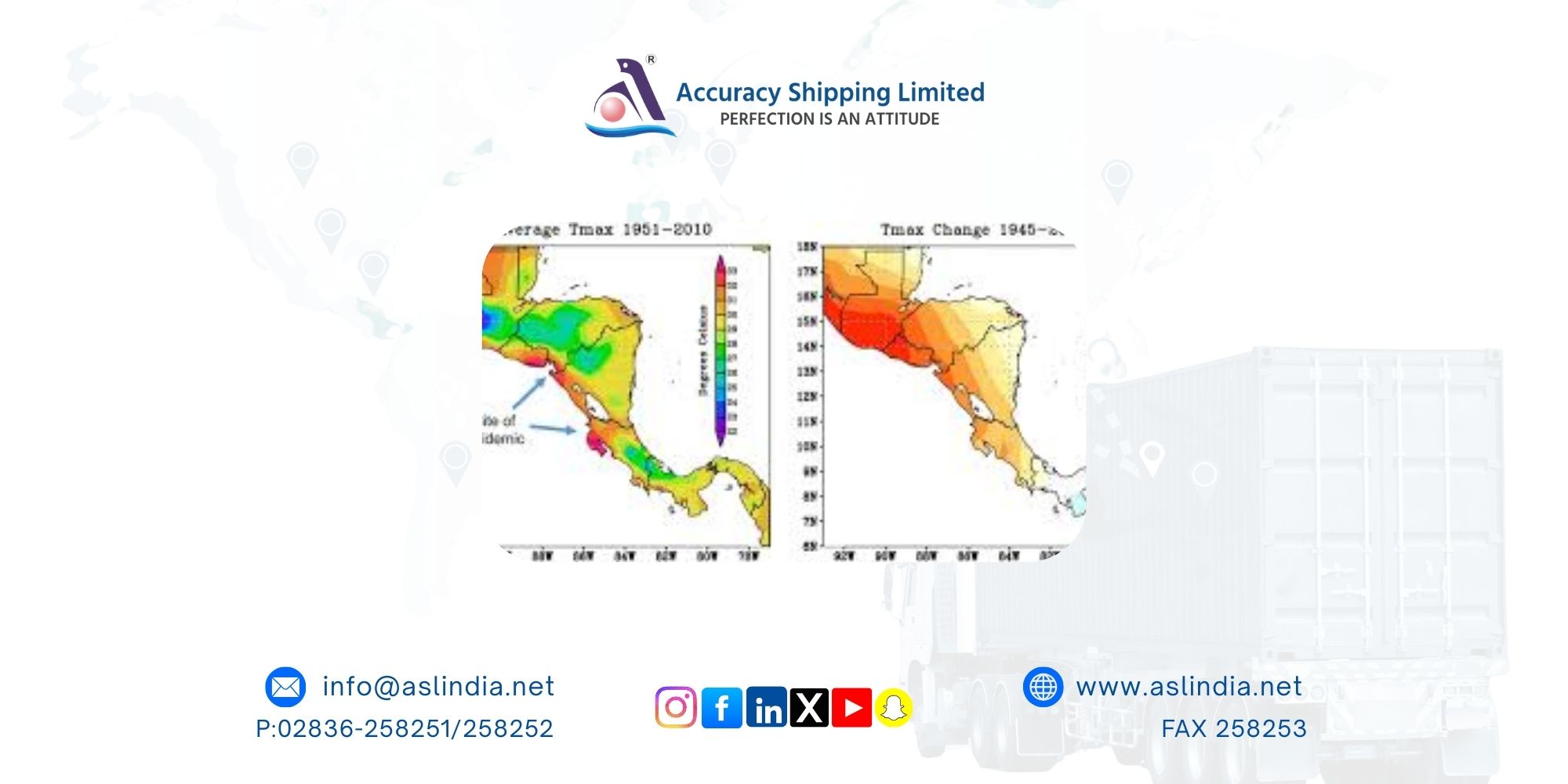
Climate change is no longer just about melting glaciers or rising sea levels it is quietly reshaping our daily lives in ways we often overlook. One of the most alarming consequences? A sharp rise in physical inactivity due to extreme heat.
A new study published in The Lancet Global Health reveals that rising global temperatures could significantly reduce physical activity levels worldwide, potentially leading to 700,000 additional premature deaths annually by 2050.
🌡️ How Rising Temperatures Are Making Us Less Active
Physical activity is essential for maintaining both physical and mental well-being. But what happens when stepping outside becomes unsafe?
The study highlights that increasing temperatures especially in tropical and developing regions are forcing people indoors, limiting everyday activities like walking, cycling, or outdoor exercise.
Researchers analyzed data from 156 countries between 2000 and 2022 and found a clear pattern:
When average monthly temperatures exceed 27.8°C, physical activity levels drop
This results in a 1.5 percentage point increase in inactivity globally
The impact is even higher (1.85 percentage points) in low- and middle-income countries
High-income countries show minimal impact due to better infrastructure and access to indoor facilities
⚠️ The Health and Economic Consequences
The consequences of reduced physical activity are severe and far-reaching:
🧍♂️ Health Impact
0.47 to 0.70 million additional premature deaths annually
Increased risk of chronic diseases like heart disease, diabetes, and obesity
Worsening mental health due to reduced movement and outdoor exposure
💰 Economic Impact
Estimated $2.40 to $3.68 billion in annual productivity losses
Reduced workforce efficiency due to heat stress and inactivity
As researchers note, the issue isn’t that people suddenly stop moving it’s that extreme heat gradually limits safe opportunities for daily activity.
🌎 Regions Most at Risk
The burden of climate-driven inactivity will not be evenly distributed. The most affected regions include:
Central America
The Caribbean
Eastern Sub-Saharan Africa
Equatorial Southeast Asia
These regions already experience high temperatures and often lack access to cooling infrastructure like air-conditioned gyms or safe indoor recreational spaces.
🏃♀️ Physical Inactivity: A Growing Global Crisis
Even before climate change intensifies the problem, physical inactivity is already a major global health concern:
1 in 3 adults fail to meet recommended activity levels
Over 80% of adolescents are insufficiently active
The World Health Organization recommends:
At least 150 minutes of moderate exercise per week, or
75 minutes of vigorous activity, plus muscle-strengthening exercises
The WHO aims to reduce global physical inactivity by 15% by 2030, but rising temperatures could make this target harder to achieve.
🌆 What Needs To Be Done
To tackle this emerging crisis, researchers and global health bodies are calling for urgent action:
🛑 Climate & Public Health Measures
Protect communities from extreme heat
Provide clear guidelines for safe physical activity during heatwaves
🏙️ Urban Planning Solutions
Design cooler cities with green spaces and shaded walkways
Build safe cycling and walking infrastructure
🏋️♂️ Accessibility Improvements
Increase access to affordable, air-conditioned exercise spaces
Promote indoor physical activity options
🌱 Climate Action
Reduce greenhouse gas emissions
Accelerate global efforts to limit temperature rise
📌 Conclusion
The connection between climate change and physical inactivity highlights a new dimension of the global health crisis. It’s not just about environmental damage it’s about how rising heat is quietly reducing our ability to stay active, healthy, and productive.
If left unaddressed, this trend could result in hundreds of thousands of preventable deaths every year by 2050.
The message is clear: tackling climate change isn’t just about saving the planet it’s about protecting human health, one step at a time.
Our Tag:
Share:

.png)
.png)
.png)
Newsletters

 05 Jun, 2025
‘Made in India’ weapons crucial: Modi tells council of ministers
 28 Aug, 2025
Pro Kabaddi League season 12 to kick off with sporting legends on National Sports Day
 31 Oct, 2025
Kamarajar port set to submit DPR for ₹1 lakh crore Great Nicobar transshipment hub
 21 Jul, 2025
Andhra to develop port-based economy with Rs 3,500 crore project: Chandrababu Naidu
 26 Apr, 2025

