



Parliament resumes today: Gulf crisis, no-trust motion against Speaker to dominate

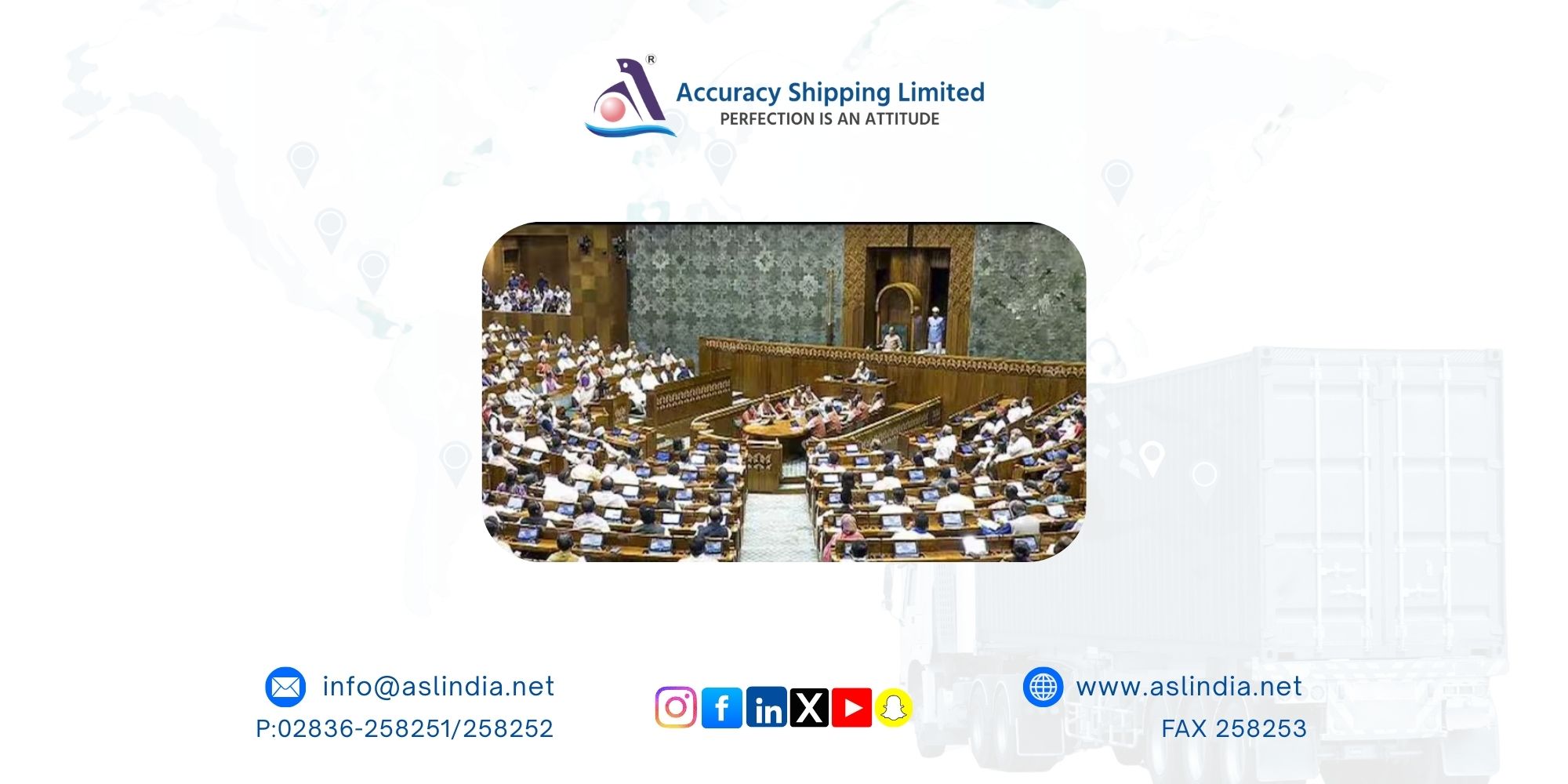
India’s Parliament is set to witness a tense and politically charged day as the second half of the Budget Session resumes today. With major national and international issues on the agenda, debates are expected to be intense in both Houses.
The Opposition has moved a motion seeking the removal of Lok Sabha Speaker Om Birla, while the escalating conflict in the Middle East is also expected to dominate discussions. The session, which began earlier this year, will continue until April 2.
Opposition Moves Motion Against Speaker Om Birla
A major political flashpoint at the start of the session is the Opposition’s motion seeking the removal of Speaker Om Birla. The motion has been signed by 118 Opposition Members of Parliament, who have accused the Speaker of acting in a “blatantly partisan” manner while conducting proceedings in the Lok Sabha.
Following the notice, Om Birla has recused himself from presiding over the House until the matter is decided. The motion is expected to trigger sharp debates between the ruling coalition and the Opposition.
Despite the political heat surrounding the issue, the ruling alliance NDA (National Democratic Alliance) holds a comfortable majority in the Lok Sabha, making it unlikely that the motion will succeed.
Prime Minister Narendra Modi has publicly supported Birla, stating that the Speaker has upheld the principles of the Constitution and parliamentary democracy.
Middle East Conflict to Be Discussed in Parliament
Another major issue set to dominate parliamentary proceedings is the rapidly escalating conflict involving the United States, Israel, and Iran in the Middle East.
External Affairs Minister S. Jaishankar will brief Parliament on the situation. The conflict, which began on February 28, has intensified in recent days and drawn international attention.
The crisis has widened with the involvement of groups such as Hezbollah in Lebanon, raising concerns about a broader regional war.
The government is also monitoring the safety of Indian citizens living in Gulf countries, where millions of Indians work and reside.
Prime Minister Narendra Modi has already spoken with several key regional leaders, including:
Haitham bin Tarik
Tamim bin Hamad Al Thani
Mohammed bin Salman
During these conversations, the Prime Minister emphasized the importance of ensuring the safety and welfare of the Indian diaspora in the region.
Opposition Likely to Raise Oil Prices and Energy Concerns
Opposition parties are expected to question the government on India’s diplomatic position regarding the Middle East crisis. They are also likely to highlight the possible economic impact of the conflict.
Key concerns include:
Rising global crude oil prices
Potential disruptions to energy supplies
Impact on India’s economy and inflation
Given India’s dependence on imported oil from the Gulf region, any prolonged conflict could have significant economic implications.
Domestic Political Issues Also on Agenda
Apart from foreign policy debates, several domestic political issues are also expected to spark heated exchanges in Parliament.
Opposition parties plan to raise concerns over the Special Intensive Revision (SIR) of electoral rolls in West Bengal.
Meanwhile, the ruling BJP (Bharatiya Janata Party) may counter by raising allegations related to protocol issues during the recent visit of President Droupadi Murmu to the state.
Congress Finalises Strategy Ahead of Session
Ahead of the parliamentary session, senior leaders of the Congress party held a strategy meeting in New Delhi. The meeting was attended by:
Mallikarjun Kharge
Sonia Gandhi
Rahul Gandhi
During the meeting, the party decided to raise several issues in Parliament, including:
Energy security
Rising unemployment
The demand for restoring full statehood to Jammu and Kashmir
These issues are expected to become key points of debate during the session.
Key Legislative Business in the Budget Session
Beyond political debates, Parliament will also focus on important legislative and financial matters.
The second half of the Budget Session will include:
Scrutiny of Demands for Grants for ministries for the financial year 2026–27
Discussion and passage of the Finance Bill 2026, which includes tax proposals announced in the Union Budget earlier this year
These discussions are crucial for finalising the government’s fiscal and policy priorities for the upcoming financial year.
Conclusion
As Parliament resumes today, the combination of domestic political tensions and international developments is likely to make the session highly eventful. The Opposition’s motion against Speaker Om Birla and the escalating Middle East crisis are expected to dominate proceedings.
With debates on foreign policy, economic stability, and key legislative matters, the coming days in Parliament could significantly shape both India’s political landscape and its response to global challenges.
Our Tag:
Share:

.png)
.png)
.png)
Newsletters

 01 Dec, 2025
What to expect from Indian stock market in trade on December 1 after strong Q2 GDP growth
 07 Oct, 2025
Operation Sindoor continues’: BJP as India crush Pakistan in Women's World Cup clash
 17 Apr, 2025
CMF Phone 2 Pro chipset revealed ahead of April 28 launch, promises faster performance, improved graphics
 25 Dec, 2025
Ravi Shastri tipped to become next England head coach as McCullum questions swirl: 'Who knows how to beat Australia?'
 25 Apr, 2025

