



Obstetrician reveals vital nutrients every expecting mother should include in diet to support brain, growth, immunity

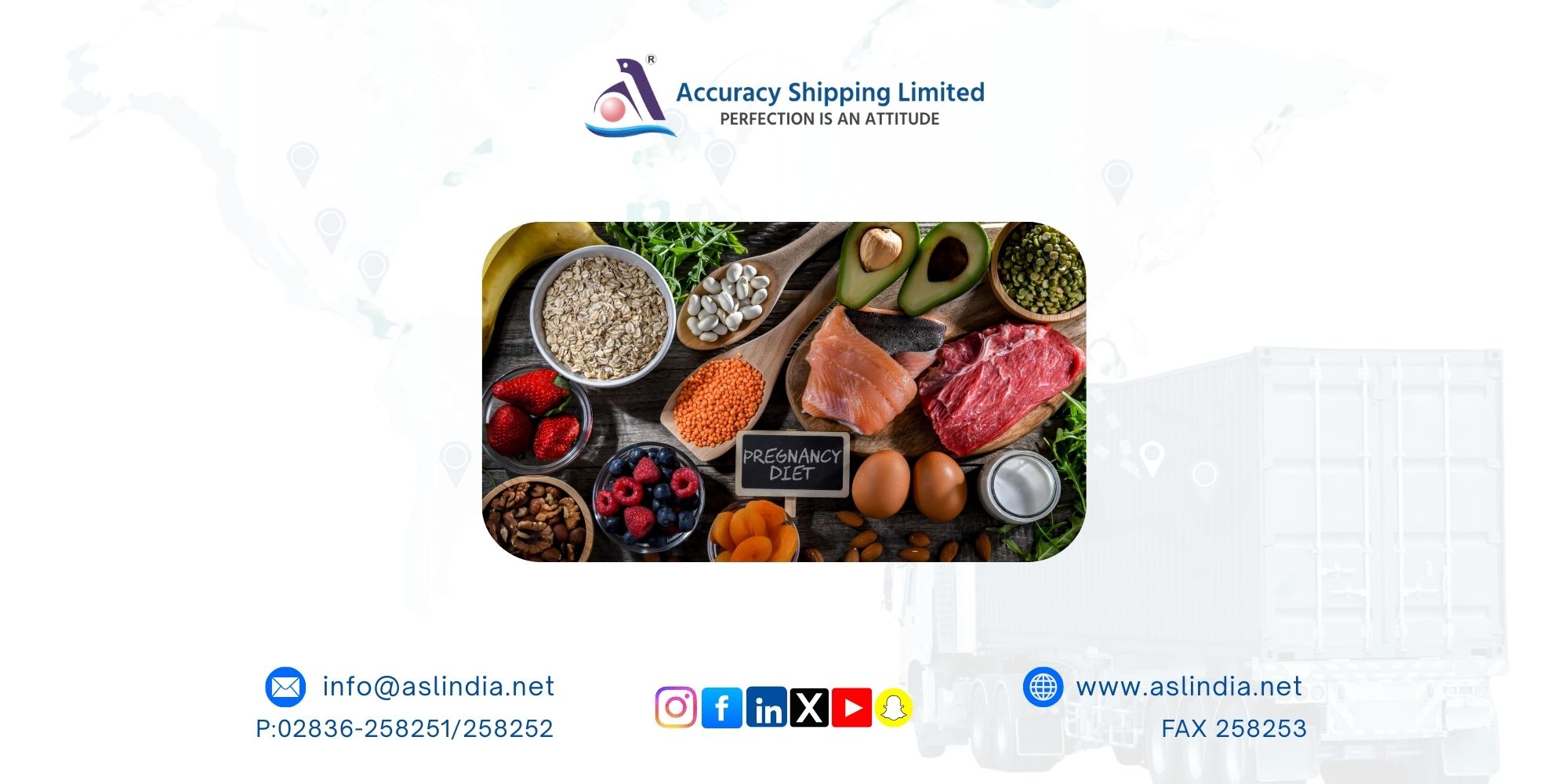
Expecting? Know which nutrients are non-negotiable during pregnancy so that your baby's health is well taken care of.
After a baby is born, a mother takes special care of their newborn's diet. From breastfeeding to introducing first foods, everything is strategically planned to ensure nothing hinders the baby's development.
But the actual nourishment begins in the womb right from conception and throughout all three trimesters. In that sense, expecting mothers need to be especially diligent about their pregnancy diet and include nutrients that support key areas of the baby's development.
HT Lifestyle reached out to Dr Radhika Nyati, a gynaecologist, obstetrician, and infertility specialist in Indore, to understand which nutrients are non-negotiable for fetal health nutrients that can shape lifelong outcomes.
“What a mother consumes profoundly influences her child's health, not just at birth, but for their entire life,” she reiterated. “Modern science clearly shows that a mother's diet lays the essential foundation for her child's growth, brain development, and immune system for decades to come.”
She emphasised that avoiding nutritional deficiencies during pregnancy is just as important as consuming adequate calories, as deficiencies can impede both physical and cognitive development.
THE CHALLENGE OF HIDDEN HUNGER
One of the biggest concerns in maternal health is hidden hunger.
Hidden hunger occurs when a mother consumes enough calories but lacks essential vitamins and minerals. Even without obvious signs, these deficiencies can quietly affect the baby’s brain, growth, and immune development.
According to Dr Nyati, many women globally face anaemia due to low iron levels. There are also widespread reports of low Vitamin D and Vitamin B12 levels among women.
These deficiencies mean that many mothers begin pregnancy without sufficient nutritional reserves to support a rapidly developing baby.
ESSENTIAL NUTRIENTS FOR BABY’S DEVELOPMENT
A baby requires a wide range of nutrients for proper development. When these are missing, the impact can be direct and long-lasting.
1. BRAIN & NERVOUS SYSTEM
The brain begins forming very early in pregnancy, making nutrition crucial from the first trimester.
Key nutrients include:
Omega-3 Fatty Acids (DHA) – Critical for brain and eye development, influencing intelligence, memory, and vision.
Choline – Supports brain cell formation and cognitive development.
Iodine – Essential for nervous system development.
Folic Acid & Vitamin B12 – Vital for brain formation and preventing neural tube defects.
A deficiency in these nutrients may impact learning ability and neurological health.
2. GROWTH & STRUCTURE
Physical growth in the womb depends heavily on oxygen supply, bone formation, and rapid cell division.
Important nutrients include:
Iron – Helps carry oxygen to the baby, supporting overall growth and preventing low birth weight.
Vitamin D & Calcium – Essential for strong bones and teeth development.
Zinc – Supports rapid cell growth and DNA creation, fundamental for healthy physical structure.
Without these, babies may experience restricted growth or developmental delays.
3. IMMUNE SYSTEM DEVELOPMENT
A strong immune system starts forming before birth. Proper maternal nutrition plays a major role in protecting the child from illness.
Crucial nutrients include:
Protein – Builds tissues and antibodies.
Zinc – Supports immune cell production.
Vitamin D – Helps regulate immune responses.
A deficiency may make children more vulnerable to infections early in life and beyond.
LIFELONG EFFECTS OF POOR MATERNAL NUTRITION
When key nutrients are lacking during pregnancy, the consequences may extend far beyond infancy.
Dr Nyati outlines several potential risks:
Reduced Growth – Leading to lower birth weight and associated health concerns.
Cognitive Challenges – Affecting memory, learning abilities, and academic performance.
Weakened Immunity – Increased vulnerability to infections.
Higher Chronic Disease Risk – Early nutritional imbalances may increase the likelihood of conditions such as diabetes and heart disease later in life.
Maternal nutrition is not just about supporting a pregnancy it is about shaping the long-term health trajectory of a child.
FINAL WORD
Pregnancy is a critical window where nutrition has the power to influence decades of health outcomes. A balanced, nutrient-rich diet ensures the baby receives the essential building blocks for brain development, physical growth, and a resilient immune system.
As Dr Radhika Nyati highlights, the foundation for lifelong well-being begins long before birth it begins on a mother’s plate.
Note to readers: This article is for informational purposes only and not a substitute for professional medical advice. Always seek the advice of your doctor with any questions about a medical condition.
Our Tag:
Share:

.png)
.png)
.png)
Newsletters

 09 Jan, 2026
Bharat Coking Coal IPO opens soon: GMP signals 50% listing gain! Review, other details about upcoming IPO in 10 points
 18 Jun, 2025
Doctor explains how a sedentary lifestyle can increase the risk of infertility in both men and women
 04 Jul, 2025
Maharashtra gives green light to industrial push: Approves Rs 1.35 lakh crore projects
 02 Aug, 2025
Indian fuel exports escape Trump’s tariff net
 16 Dec, 2025

