



Iran war disrupts LPG supply, Pune's largest crematorium faces crunch

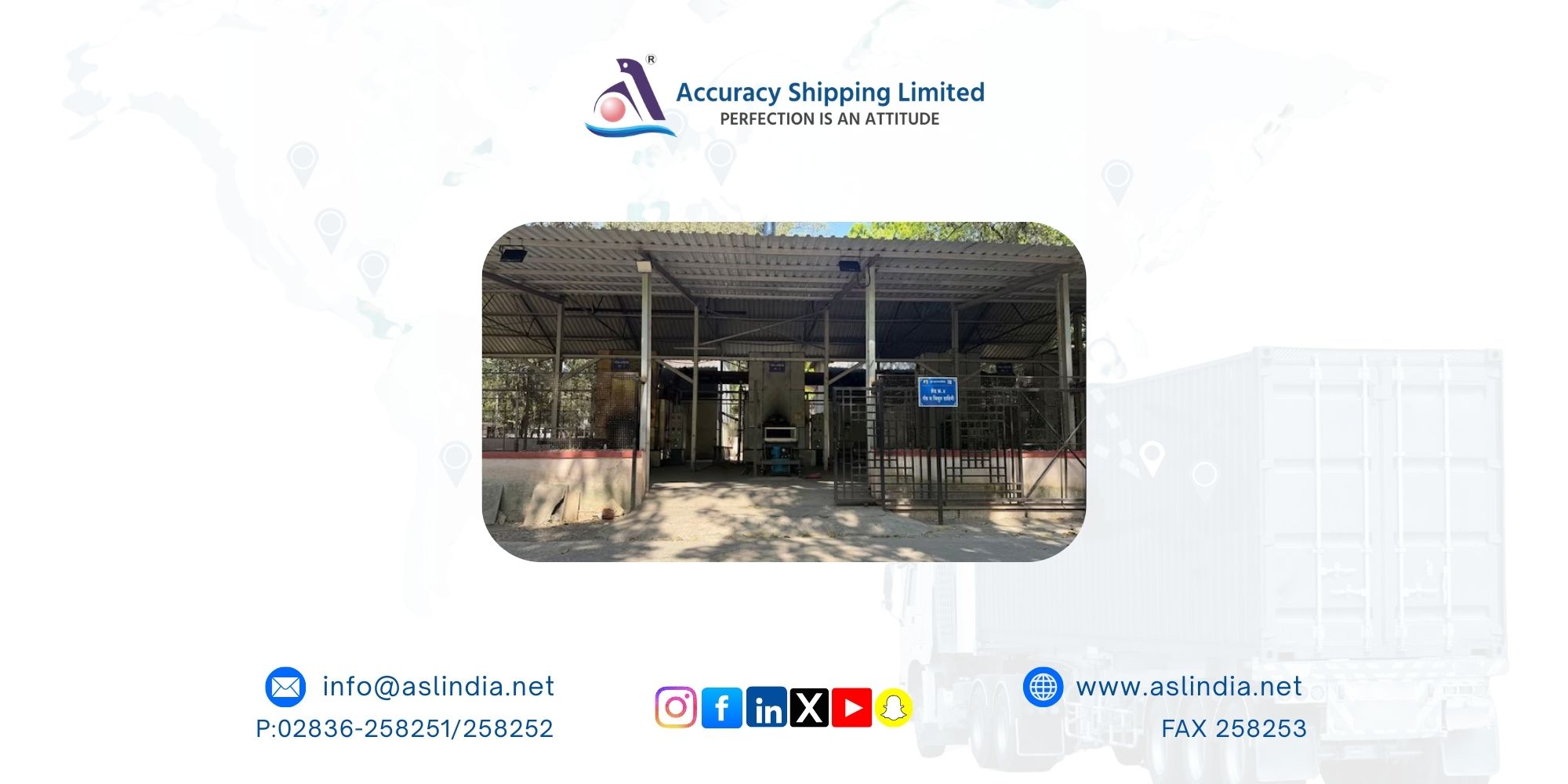
The ongoing conflict in West Asia has begun affecting essential services in India, with disruptions in fuel supply creating unexpected challenges. One such impact has been seen in Pune, where Vaikunth Dham, the largest crematorium in Maharashtra, has temporarily halted gas-based cremations due to an acute shortage of liquefied petroleum gas (LPG).
The situation highlights how geopolitical tensions can ripple through global supply chains and affect even critical public services.
Temporary Halt to Gas-Based Cremations
Spread across nearly 17 acres in Navi Peth, Pune, Vaikunth Dham is one of the busiest cremation facilities in the region. The crematorium typically handles around 20 cremations daily using a combination of gas, electric, and wood-fired systems.
However, officials confirmed that gas-based cremations have been suspended due to the shortage of LPG supplies.
According to Nilesh Kalekar, Executive Engineer of the Pune Municipal Corporation (PMC), the facility currently has enough LPG left for only two cremations, with each requiring approximately 18 kilograms of gas.
Because of the shortage, the crematorium’s three gas-fired furnaces have been temporarily shut down, and the PMC has issued a public notice informing citizens about the suspension of gas-based cremation services until further orders.
Electric and Wood Pyres Continue Operations
Despite the disruption, funeral services at Vaikunth Dham have not stopped.
Authorities have shifted operations to electric and wood-based cremation facilities, ensuring that services continue smoothly for families.
The crematorium is equipped with:
Five electric furnaces
Wood-fired cremation facilities
Air pollution control systems
These alternatives allow the facility to continue performing cremations without causing inconvenience to citizens.
Kalekar explained that the transition to electric pyres is a temporary measure aimed at maintaining essential services during the LPG shortage.
Government Directive Prioritises Domestic LPG
The shortage at Vaikunth Dham stems from a directive issued by the Ministry of Petroleum and Natural Gas on March 5.
The directive requires available propane and butane supplies to be prioritised for domestic LPG consumption, ensuring that households across India do not face shortages during the ongoing geopolitical crisis.
As a result, commercial and institutional users, including gas-based crematoriums, have seen delays in receiving fresh LPG supplies.
Due to this prioritisation policy, Vaikunth Dham has not received new LPG deliveries, forcing the temporary closure of its gas-based cremation units.
Government Assures Adequate Fuel Availability
Amid rising public concerns about fuel availability, Petroleum and Natural Gas Minister Hardeep Singh Puri reassured citizens that India’s domestic LPG supply remains stable.
According to the minister, the country currently has sufficient energy stocks, and steps are being taken to ensure uninterrupted supply for households.
Supporting this statement, Indian Oil Corporation confirmed that fuel distribution networks are functioning normally and urged the public not to engage in panic buying.
Government sources also stated that India remains in a “very comfortable position” regarding crude oil, petroleum products, and LPG supplies, despite global disruptions.
Monitoring the Situation
Authorities are closely monitoring the LPG supply situation and will restore gas-based cremation services once supply stabilises.
Until then, electric and wood-fired cremations will remain the primary options at Vaikunth Dham to ensure that funeral services continue without interruption.
The situation serves as a reminder of how international conflicts can impact everyday infrastructure and essential services far beyond the immediate conflict zone.
As global supply chains adjust to the evolving geopolitical environment, local administrations continue working to ensure that critical civic services remain operational.
Our Tag:
Share:

.png)
.png)
.png)
Newsletters
 28 Nov, 2025
DP World invests €230M to raise Antwerp port capacity
 10 Nov, 2025
Global Freight Forum Kandla highlights India’s rising port-led competitiveness
 30 Jun, 2025
Shashi Tharoor and his differences with Congress Party
 23 Apr, 2025
Gandhar Refinery and JNPA collaborate on Vadhvan port growth
 16 Sep, 2025

