



Iran refuses to give up on uranium enrichment: No one has right to dictate

Introduction
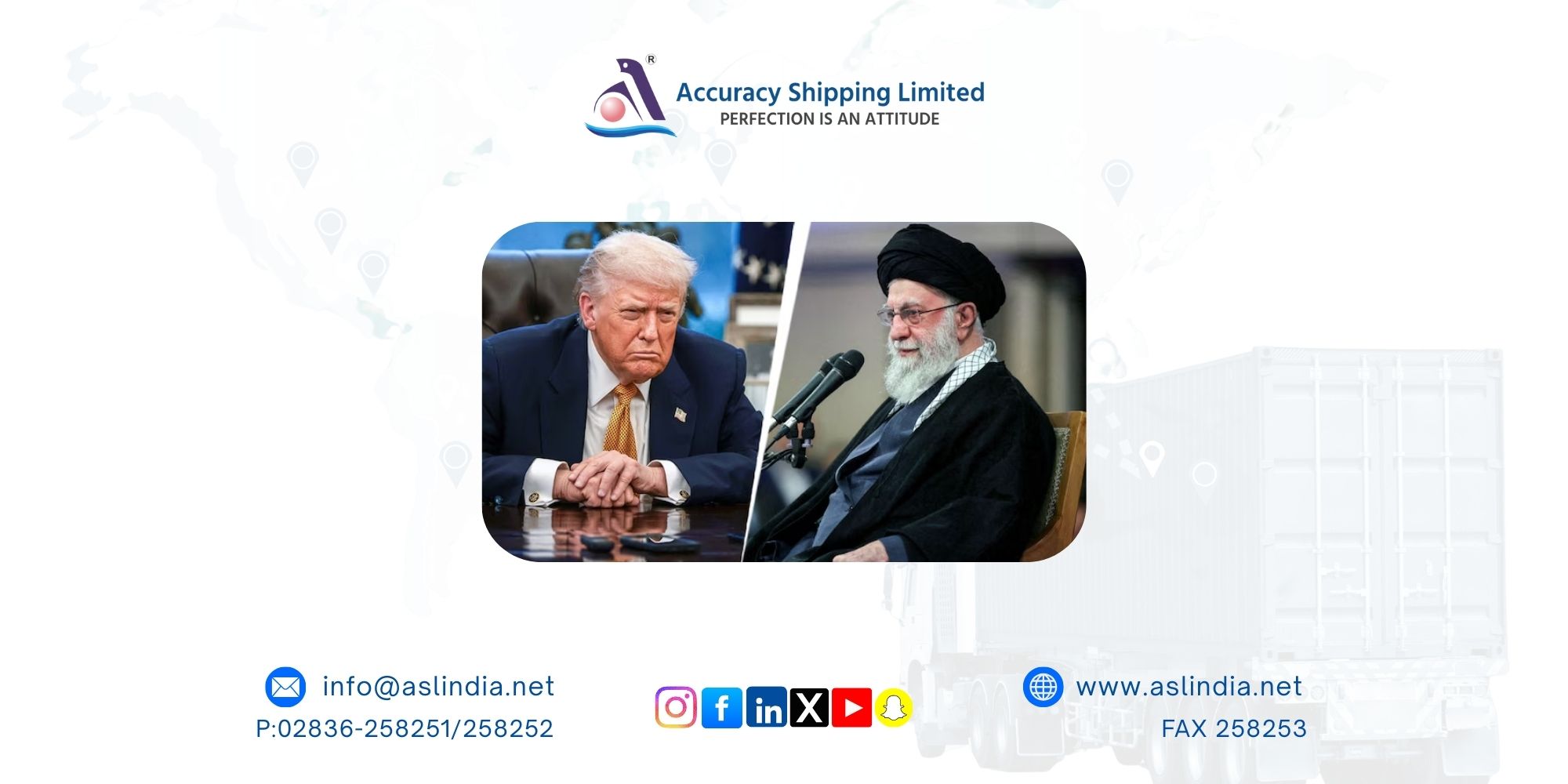
Iran has once again made it clear that uranium enrichment remains a red line in its nuclear policy. Rejecting mounting pressure from Washington, Tehran says it will not abandon what it considers a sovereign right, even in the face of military threats and fresh economic sanctions.
Iran Rejects Pressure on Enrichment
Speaking at a public forum in Tehran attended by international media, Iranian Foreign Minister Abbas Araghchi said Iran would not be intimidated into changing its nuclear stance. He stressed that uranium enrichment is non-negotiable, arguing that no external power has the authority to dictate Iran’s behaviour.
“Why do we insist so much on enrichment and refuse to give it up, even if a war is imposed on us? Because no one has the right to dictate our behaviour,” Araghchi said.
Talks Resume Amid Rising Tensions
Araghchi’s remarks come as Iran and the United States resumed talks in Oman for the first time in years. The negotiations follow a period of sharp escalation in the Middle East that drew Washington into military action against Tehran alongside Israel.
While Tehran is seeking relief from sweeping economic sanctions that have battered its economy, Washington is pushing for limits on Iran’s nuclear programme.
Scepticism Over US Intentions
Araghchi expressed deep doubts about the seriousness of the US approach, pointing to continued sanctions and military deployments. He dismissed the presence of the aircraft carrier USS Abraham Lincoln in nearby waters as an ineffective pressure tactic.
“Their military deployment in the region does not scare us,” he said, adding that Iran would not accept any agreement that undermines its independence or national dignity.
Confidence-Building, Not Capitulation
Iran, Araghchi said, is open to considering a series of confidence-building measures in exchange for sanctions relief, but only if talks are based on mutual respect. Western governments and Israel have long accused Iran of pursuing nuclear weapons claims Tehran has consistently denied.
“They fear our atomic bomb, while we are not looking for one,” Araghchi said. “Our atomic bomb is the power to say ‘no’ to the great powers.”
US Shows Military Muscle
Tensions remained high after US officials visited the aircraft carrier deployed in the region. Lead negotiator Steve Witkoff and senior adviser Jared Kushner toured the vessel, underlining Washington’s military presence.
The United States Central Command confirmed the operation, while Witkoff said the carrier group was supporting President Donald Trump’s policy of “peace through strength.” Trump later described the talks as “very good,” while Iranian President Masoud Pezeshkian called them “a step forward.”
Fresh Sanctions Cloud the Path Ahead
Despite cautious optimism, Washington soon announced new tariffs on countries continuing to do business with Iran and imposed additional sanctions on shipping firms and vessels linked to Iranian oil exports. Araghchi said such actions raise serious doubts about US commitment to diplomacy, noting that Tehran is closely monitoring all signals before deciding whether to continue negotiations.
Domestic Unrest Adds Pressure
The diplomatic efforts are unfolding amid significant domestic unrest in Iran. Protests that began in late December over economic hardship and political grievances have turned deadly. Iranian authorities say at least 3,117 people were killed, mostly security personnel and bystanders.
However, the US-based Human Rights Activists News Agency has reported much higher figures, claiming nearly 7,000 deaths mostly protesters and more than 51,000 arrests.
Conclusion
As talks continue under the shadow of sanctions, military posturing, and domestic unrest, Iran’s message remains firm: uranium enrichment is a matter of sovereignty. Whether diplomacy can bridge the deep mistrust between Tehran and Washington now depends on actions as much as words.
Our Tag:
Share:

.png)
.png)
.png)
Newsletters

 31 May, 2025
AI-Powered Video Insights Are Coming to Google Drive Here’s When You’ll Get Them
 26 Jun, 2025
Political Science meets politics: Bihar Minister selected as Assistant Professor
 26 Dec, 2025
India–Nepal trade likely to double by 2030 on back of investment and energy ties
 30 May, 2025
'Captain' Virat Kohli Plots Punjab Kings Opener's Dismissal To Perfection For RCB - Watch
 06 Feb, 2026

