



India Allows Iranian Naval Vessel to Dock at Kochi Amid Rising Indian Ocean Tensions

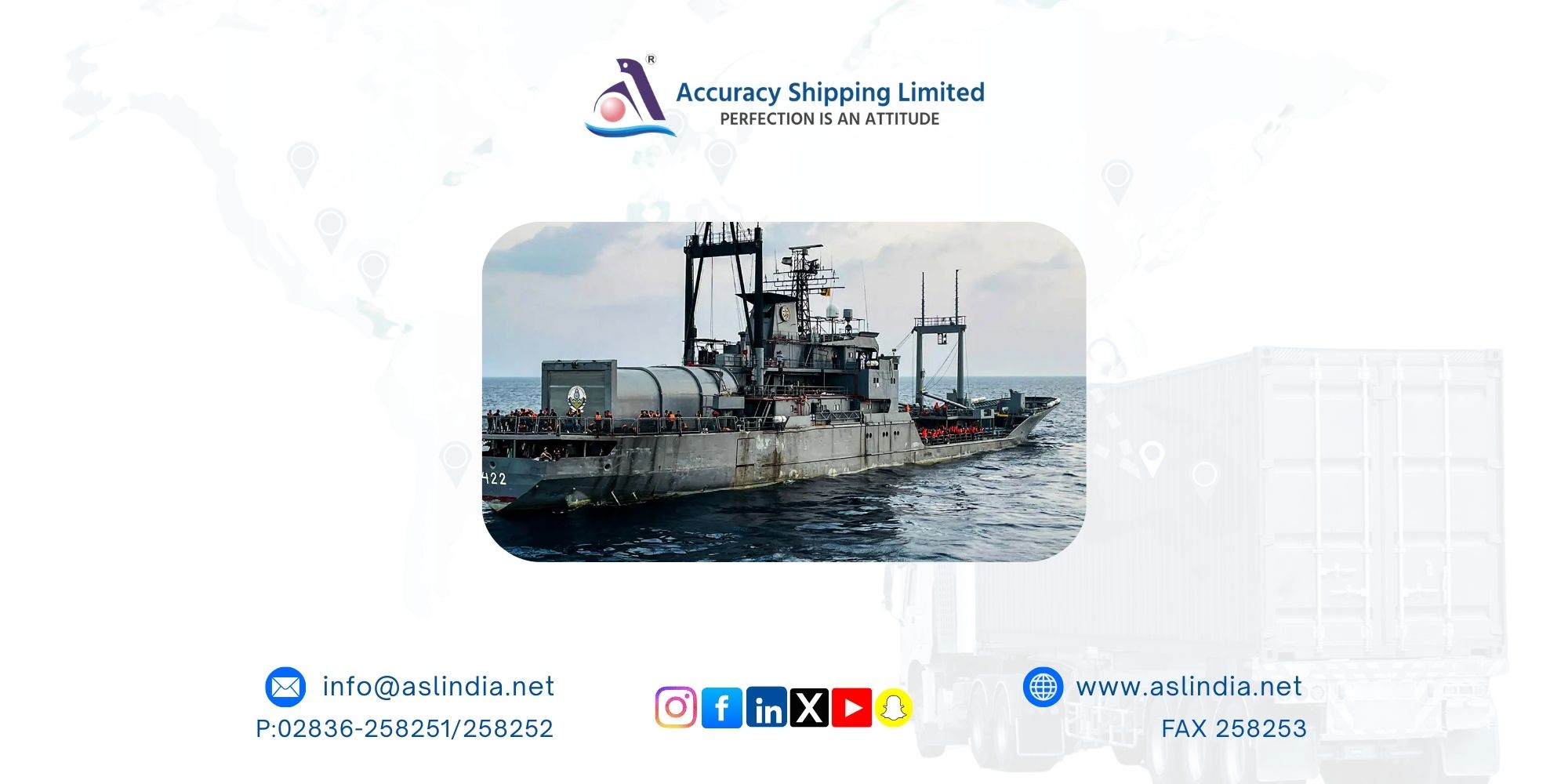
India has permitted three Iranian naval vessels to dock at its ports following a formal request from Tehran, a move described by the government as a humanitarian gesture amid rising tensions in the Indian Ocean. The development comes at a time when geopolitical instability linked to the West Asia conflict is beginning to affect maritime security and global trade routes.
External Affairs Minister Subrahmanyam Jaishankar informed Parliament that Iran requested docking permission on February 28, and the Indian government approved the request the following day. One of the vessels, the Iranian naval ship IRIS Lavan, later docked at the southern port city of Kochi on March 4, where its crew is currently being accommodated at Indian naval facilities.
Humanitarian Considerations Behind the Decision
Speaking in Parliament, Jaishankar emphasized that India’s decision was based on humanitarian considerations rather than strategic alignment.
According to the minister, allowing the ships to dock was the appropriate response given the circumstances faced by the Iranian vessels and their crew. Iran’s foreign minister reportedly expressed appreciation to India for extending this support during a sensitive period.
Providing safe harbour to naval vessels in distress or requiring logistical support is consistent with long-standing maritime traditions and international norms. India’s response reflects its broader approach of balancing diplomacy, humanitarian responsibility, and regional stability.
Rising Tensions in the Indian Ocean
The docking request comes shortly after a major naval incident in the region. Reports indicate that the Iranian frigate IRIS Dena was sunk by a United States submarine off the coast of Sri Lanka on March 4.
The attack reportedly resulted in the deaths of at least 87 Iranian sailors, significantly escalating tensions in the Indian Ocean. The incident has raised concerns among regional powers about the potential spillover of the ongoing West Asia conflict into vital maritime trade corridors.
Before the incident occurred, the warship had been returning to Iran after participating in international naval events hosted by India, including the MILAN naval exercise and the International Fleet Review, which brought together naval forces from multiple countries to promote maritime cooperation.
Regional Naval Movements Continue
In a related development, another Iranian naval vessel, IRINS Bushehr, was permitted to dock at the eastern Sri Lankan port of Trincomalee after requesting entry due to an engine malfunction.
These developments highlight the growing complexity of naval movements across the Indian Ocean as countries respond to evolving geopolitical tensions and security concerns.
Government Monitoring Energy Security
Apart from maritime security concerns, the Indian government is also closely watching the potential economic impact of the escalating conflict. Rising geopolitical instability in West Asia could disrupt global energy supply chains and affect oil prices.
Jaishankar assured Parliament that the government is actively monitoring developments in global energy markets to safeguard India’s energy needs.
He emphasized that India’s priority is to ensure stable energy supplies while minimizing the risks posed by geopolitical disruptions.
“The government remains fully committed to ensuring India’s energy security, taking into account availability, costs and risks in global energy markets,” Jaishankar said.
He also noted that Indian diplomacy continues to support domestic energy companies as they navigate the increasingly volatile global environment.
Strategic Balance in a Volatile Region
India’s decision to allow Iranian naval vessels to dock demonstrates its careful diplomatic balancing act in a region experiencing growing geopolitical friction. While maintaining strategic partnerships with Western powers, India continues to engage constructively with countries across West Asia.
As tensions in the Indian Ocean intensify, such humanitarian and diplomatic gestures may play an important role in maintaining regional stability while protecting India’s economic and strategic interests.
Our Tag:
Share:

.png)
.png)
.png)
Newsletters
 06 Jan, 2026
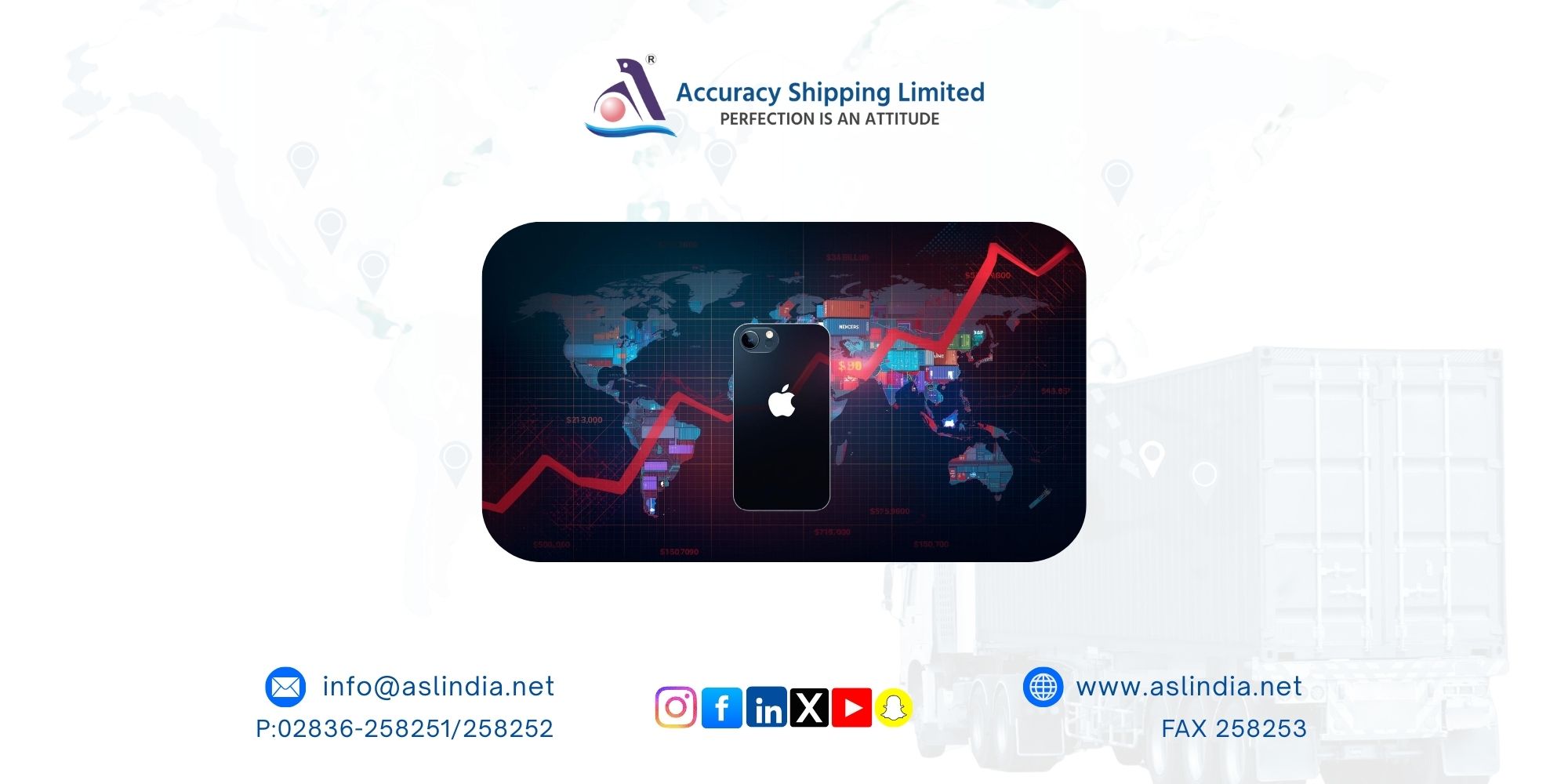
Apple iPhone exports from India cross $50 billion under PLI scheme
 06 Mar, 2026
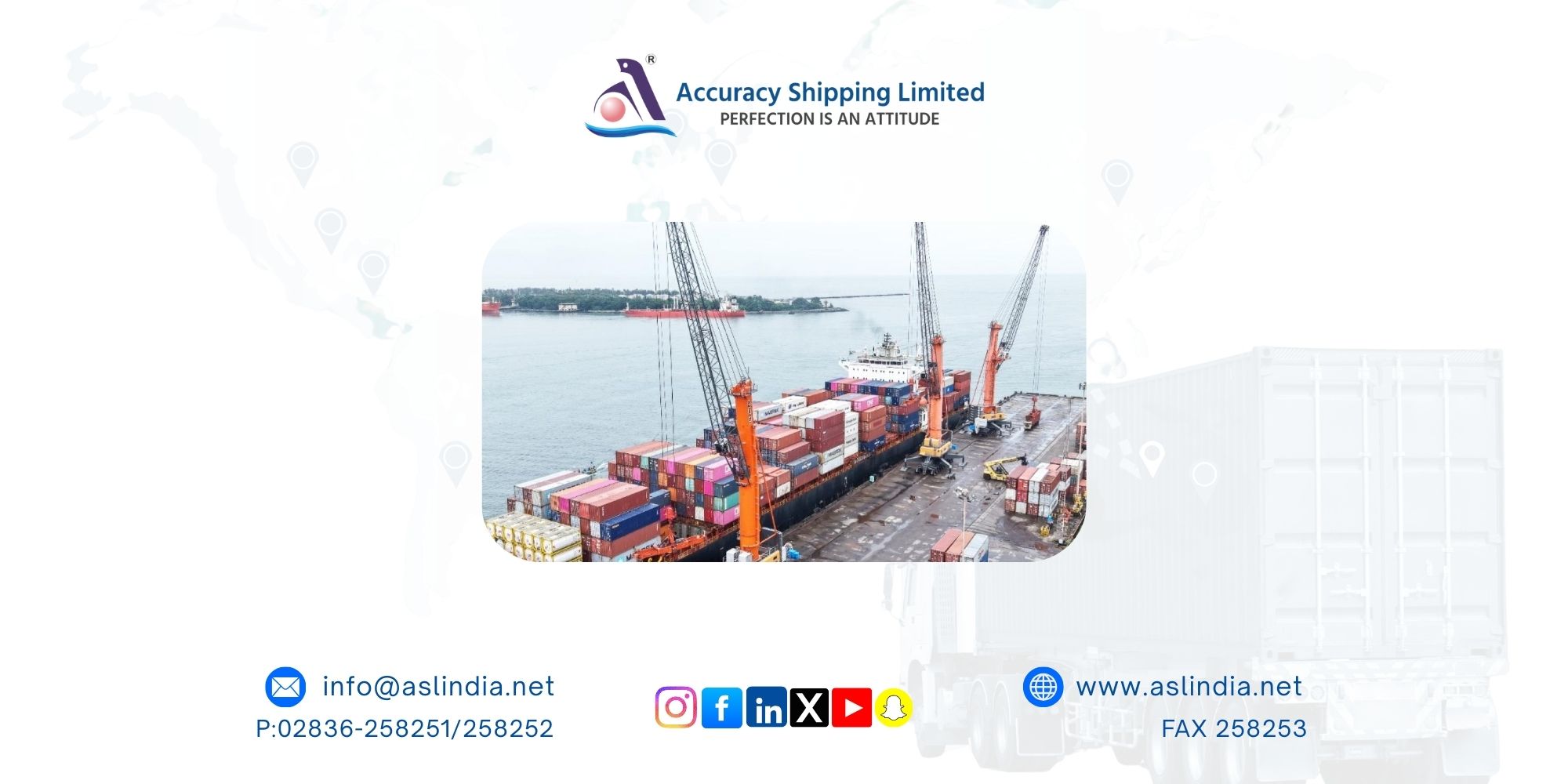
New Mangalore Port Authority surpasses last year’s cargo handling, crosses 46 MMT in FY26
 14 Oct, 2025
Union Ministry Directs Cochin Port Authority to Probe Alleged Irregular Appointments
 04 Jul, 2025
Indian stock market: 10 things that changed for market overnight- Gift Nifty, Big Beautiful Bill, to US nonfarm payrolls
 22 Sep, 2025

