



Gujarat’s Future-Ready Logistics Vision Highlighted at CII Summit 2026

Introduction
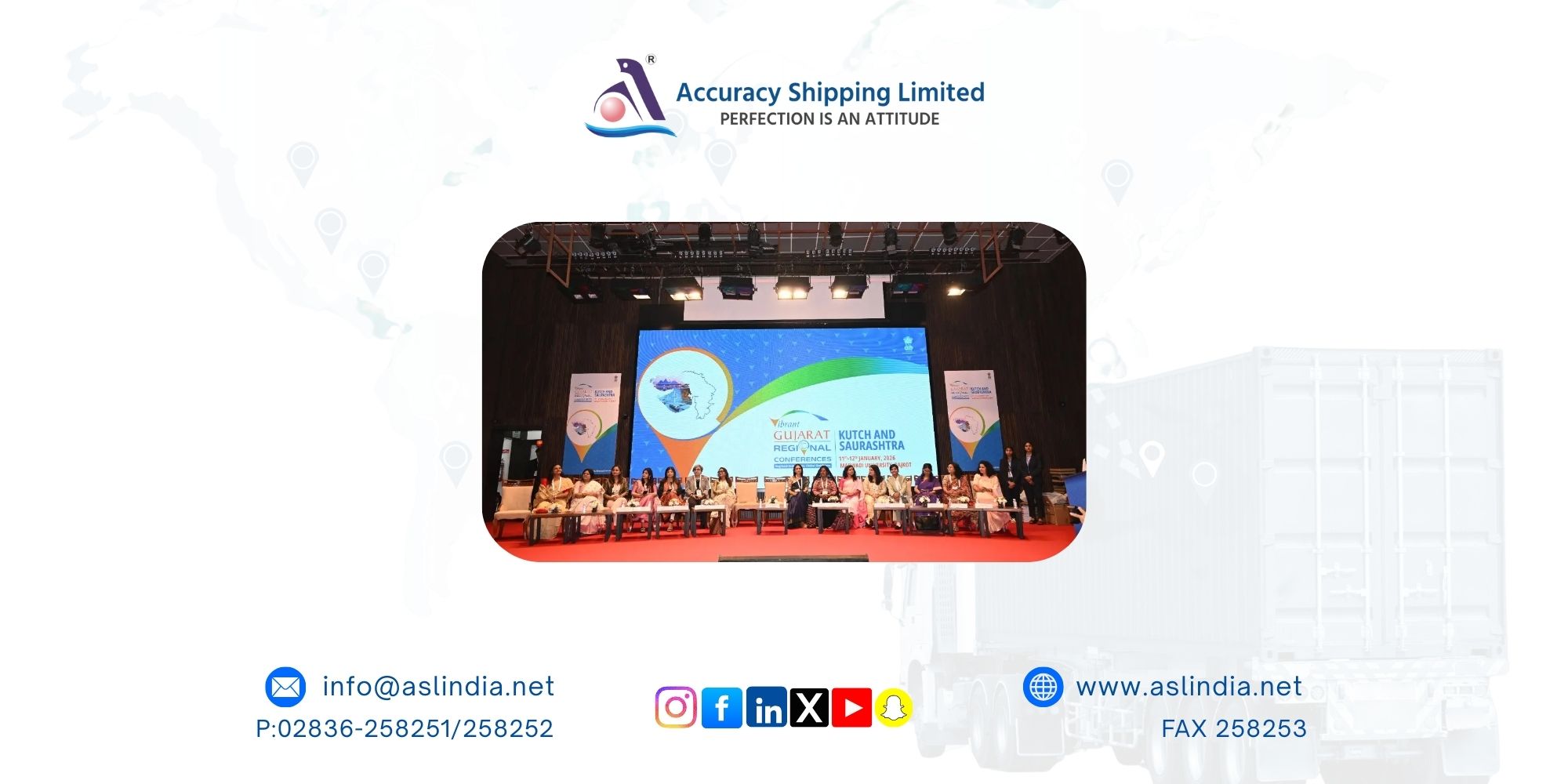
Gujarat continues to strengthen its position as India’s leading logistics powerhouse. At the Confederation of Indian Industry (CII) Gujarat Logistics & Supply Chain Management Summit 2026, industry leaders outlined a transformative roadmap for the state’s logistics ecosystem. The summit focused on operational excellence, integrated infrastructure, automation, and sustainability key pillars shaping Gujarat’s future-ready logistics vision.
The event witnessed insightful discussions on how ports, multimodal connectivity, and technology integration will drive the next phase of growth in the supply chain sector.
CII Gujarat Logistics & Supply Chain Management Summit 2026
At the prestigious summit organised by Confederation of Indian Industry, key stakeholders from ports, logistics, and supply chain sectors came together to discuss Gujarat’s evolving logistics landscape.
Upparapalli Venkat Rao, CEO & Director of Essar Bulk Terminal Salaya Limited, delivered a compelling address highlighting the strategic direction required to make Gujarat a globally competitive logistics hub.
Redefining Port Efficiency
Rao emphasised that modern port efficiency is no longer measured purely by speed. Instead, stability, predictability, and reliability have become the new benchmarks. In an era where global supply chains demand consistency, ports must ensure minimal disruptions, seamless cargo handling, and operational transparency.
He stressed that ports must evolve from standalone infrastructure assets into integrated logistics platforms that support the entire supply chain ecosystem.
Integrated Logistics Ecosystem
Rao highlighted that seamless coordination between ports, railways, road networks, logistics parks, and industrial clusters is critical to unlocking Gujarat’s next phase of logistics-led growth.
The focus is on building strong multimodal connectivity, ensuring cargo moves efficiently from port to hinterland without bottlenecks. Technology adoption and automation were identified as essential tools to scale operations while maintaining safety, efficiency, and continuity.
Scalability and Expansion Readiness
Addressing expansion challenges, Rao stressed that scalability must be embedded in port design from the outset. Ports should be built to grow without disrupting ongoing operations. This approach ensures long-term sustainability and operational resilience.
He further underlined that safety and sustainability must be integrated into infrastructure planning rather than treated as afterthoughts. Responsible scaling will define the success of Gujarat’s logistics sector in the coming decade.
Salaya Port: A Benchmark for the Future
Rao cited Salaya Port as a benchmark model for future-ready port development. As a fully mechanised and highly automated port, Salaya delivers:
• High productivity levels
• Robust safety standards
• Environmentally responsible operations
• Operational reliability
The port exemplifies how technology-driven design can enhance efficiency while ensuring compliance and sustainability.
The Next Phase of Port-Led Growth
With manufacturing activity expanding, energy transition projects accelerating, and EXIM volumes expected to rise, Gujarat is preparing for a new era of logistics expansion.
Rao concluded that the next phase of port-led growth will be driven by:
• Operational excellence
• Expansion readiness
• Integrated logistics infrastructure
• Responsible and sustainable scaling
Conclusion
The CII Gujarat Logistics & Supply Chain Management Summit 2026 reinforced Gujarat’s commitment to building a future-ready logistics ecosystem. By focusing on integration, automation, safety, and sustainability, the state is positioning itself as a global logistics gateway.
As ports transform into integrated logistics platforms and scalability becomes central to infrastructure design, Gujarat’s logistics vision stands as a blueprint for India’s supply chain future.
Our Tag:
Share:

.png)
.png)
.png)
Newsletters

 13 Oct, 2025
Tata Group age retirement policy no bar, N Chandrasekaran gets third term as Chairman
 09 Feb, 2026
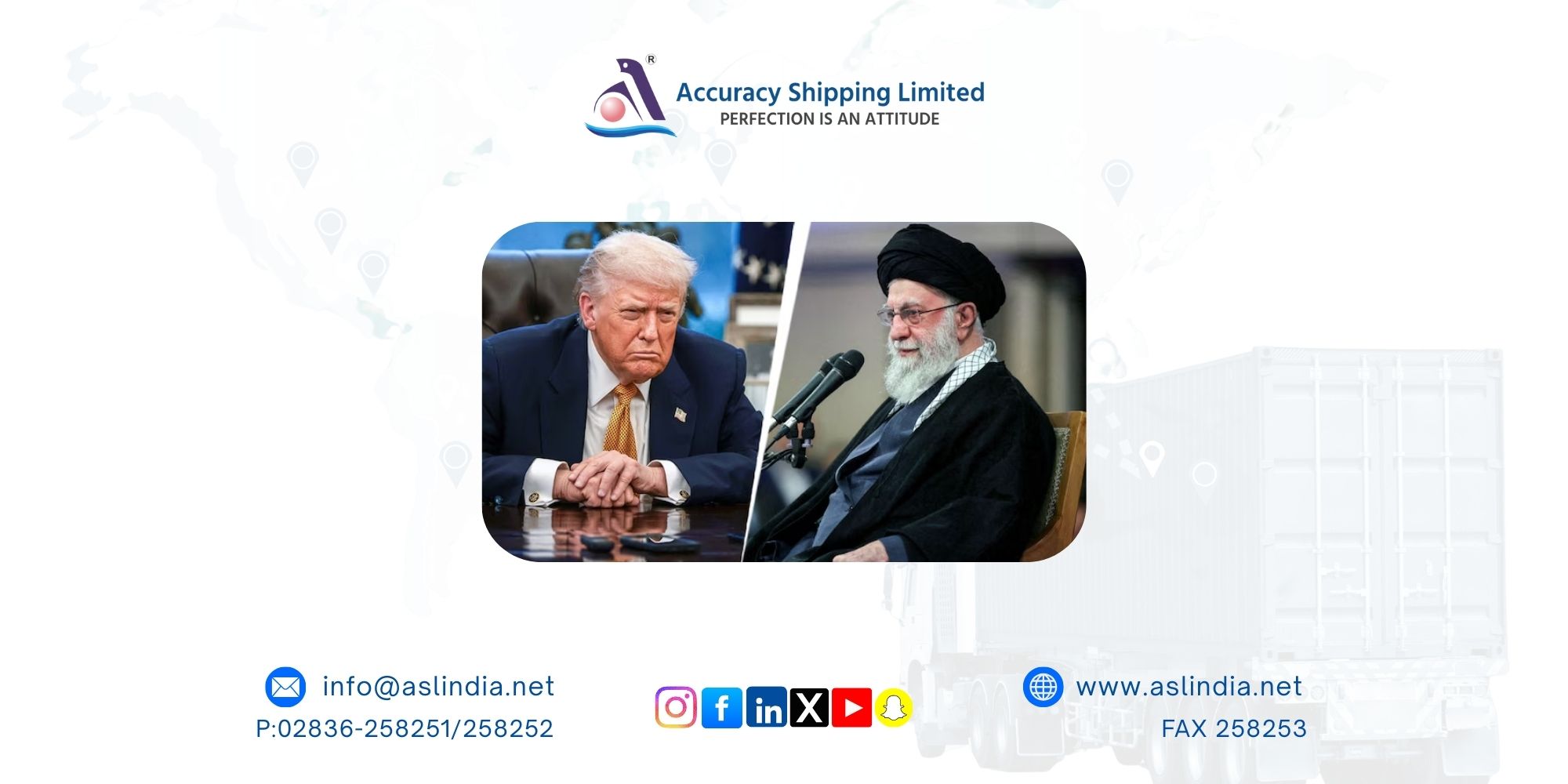
Iran refuses to give up on uranium enrichment: No one has right to dictate
 05 Sep, 2025
What to expect from Indian stock market in trade on September 5
 16 Oct, 2025
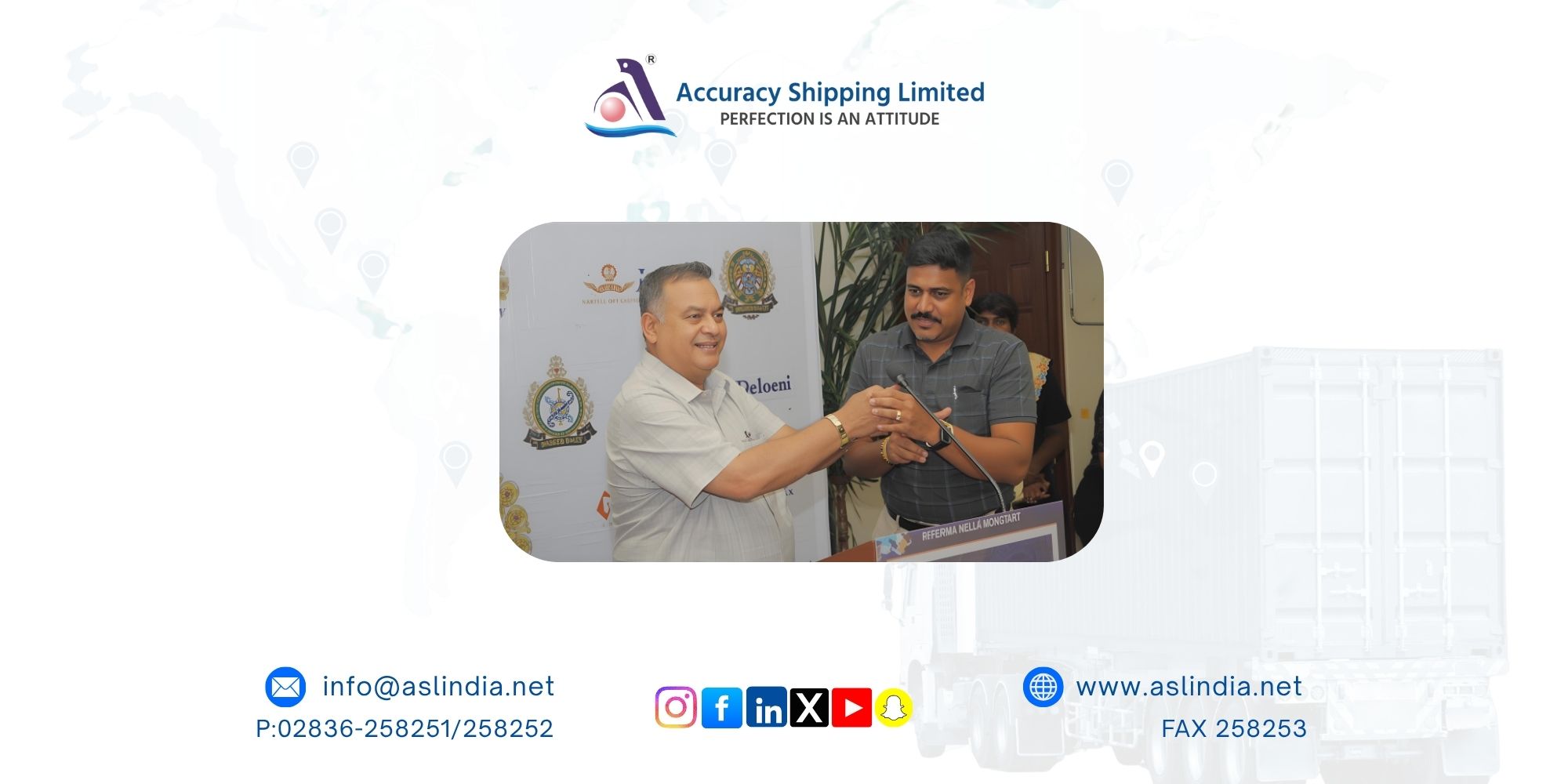
Sonowal launches eight projects at New Mangalore Port Authority’s golden jubilee celebration
 19 Jun, 2025

