



38 Indian-Flagged Ships With 1,100 Seafarers Stranded in Persian Gulf Amid West Asia Tensions

Introduction
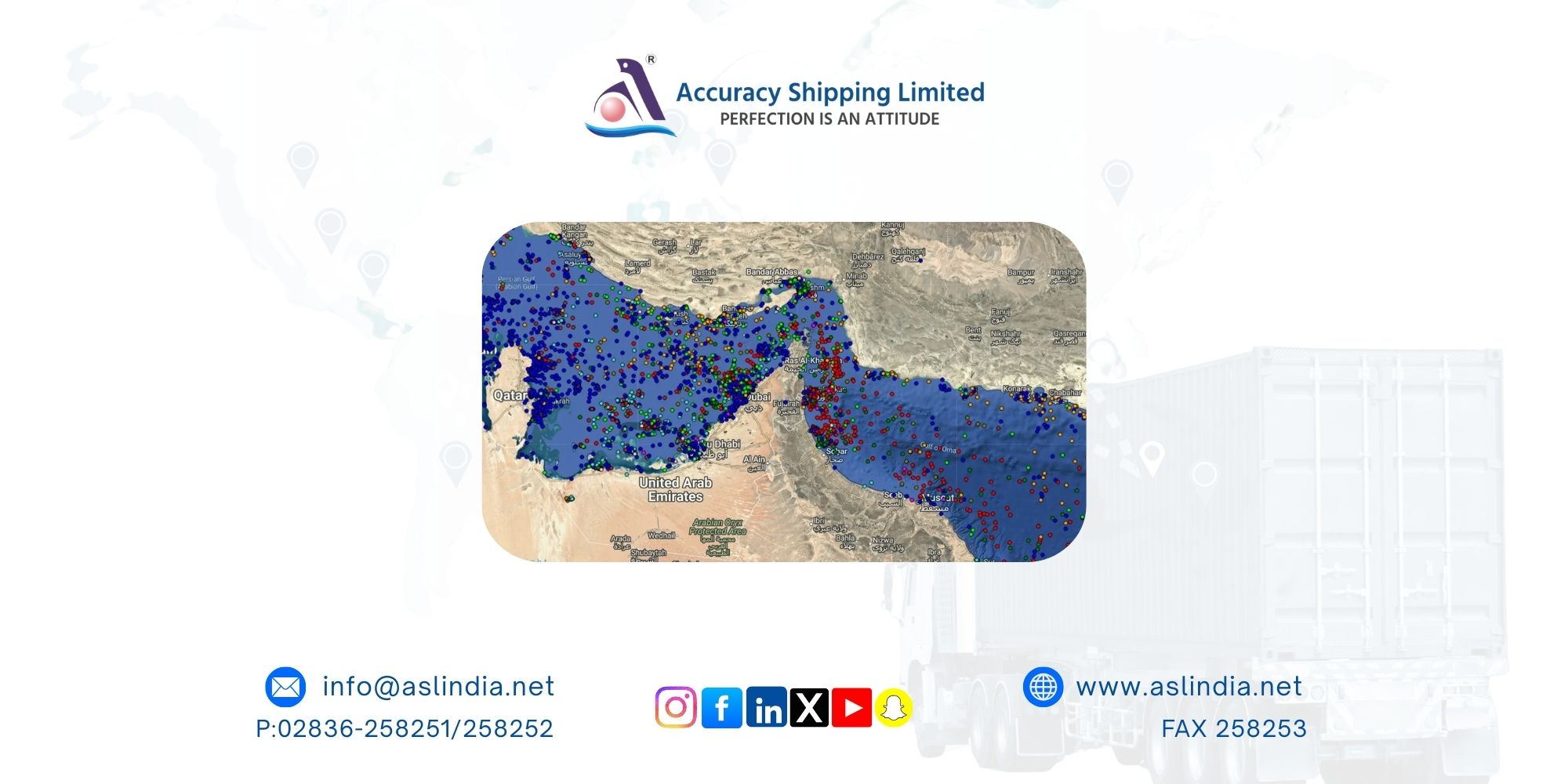
Rising geopolitical tensions in West Asia have begun to impact global maritime trade, placing hundreds of seafarers and several cargo vessels in a vulnerable position. Currently, 38 Indian-flagged ships carrying nearly 1,100 seafarers are stranded in the Persian Gulf, raising concerns about maritime safety and potential disruptions to international energy supply chains.
The situation highlights the fragile nature of global shipping routes, particularly in strategic regions like the Strait of Hormuz, a critical corridor for the movement of oil and liquefied natural gas (LNG).
Indian Ships Positioned Around the Strait of Hormuz
Officials have confirmed that the 38 Indian-flagged vessels are operating in sensitive waters around the Strait of Hormuz, a narrow but extremely important maritime passage through which a significant portion of the world’s oil supply flows.
The ships consist primarily of:
Crude oil tankers
LNG carriers
Energy transport vessels
According to authorities:
24 Indian ships are located west of the Strait of Hormuz
14 ships are positioned east of the strait
Despite the heightened tensions in the region, no confirmed incidents of detention, boarding, or direct attacks involving Indian-flagged vessels have been reported so far.
However, the risk level remains high as the region continues to experience instability.
Government Monitoring and Emergency Measures
In response to the situation, Union Shipping Minister Sarbananda Sonowal chaired a high-level review meeting earlier this week to assess developments in the region.
During the meeting:
Officials from the Directorate General of Shipping participated in the review.
Authorities were directed to take all necessary measures to ensure the safety of Indian seafarers and vessels operating in the conflict-affected waters.
Continuous monitoring and coordination mechanisms were activated to track vessel movements.
The government is closely watching the evolving situation to ensure that Indian maritime personnel remain protected while maintaining essential shipping operations.
Indian Seafarers Impacted by Regional Conflict
Although Indian-flagged ships have not faced direct attacks, the ongoing conflict has already affected Indian sailors working on foreign-flagged vessels.
Officials confirmed that:
Three Indian seafarers were killed
One seafarer was injured
These casualties occurred during attacks on ships near the Port of Oman.
Additionally, the Directorate General of Shipping reported four separate incidents involving Indian seafarers, all of whom were working on vessels sailing under foreign flags.
The situation highlights the risks faced by Indian maritime workers operating in volatile global regions.
India’s Role in the Global Maritime Workforce
India plays a major role in the international maritime industry.
Key statistics include:
Around 23,000 Indian seafarers currently work on ships operating in the conflict-affected West Asian region.
India is the third-largest supplier of seafarers globally, after the Philippines and China.
Indian sailors serve on a wide range of international vessels, including oil tankers, cargo ships, and container carriers, making them a vital component of the global shipping workforce.
Disruption to Global Shipping Routes
The rising tensions have already started affecting international shipping routes.
Reports indicate that:
At least five oil tankers have been damaged
Nearly 150 ships are stranded near the Strait of Hormuz
Due to growing security risks, several international container shipping lines have suspended services to West Asia.
As a result, many vessels that usually travel through the Suez Canal are now being rerouted around the Cape of Good Hope in South Africa.
This diversion has major consequences:
Longer voyage durations
Higher fuel consumption
Increased operational costs
Potential delays in global trade
Cargo Congestion at Indian Ports
The disruption in shipping routes has also started affecting cargo movement at Indian ports.
Current reports suggest:
Nearly 1,000 containers are waiting for shipment at Indian ports.
According to Sunil Vaswani, Executive Director of the Container Shipping Lines Association (India):
Shipping companies are prioritizing safety while continuing services to major long-haul markets such as:
The United States
Europe
The Mediterranean region
However, shipments to West Asia are facing delays due to the uncertain security environment.
Exporters Already Feeling the Impact
Indian exporters have begun experiencing the economic impact of the shipping disruptions.
Supplier Sanjay Pansare reported that approximately 150 containers of fruits and vegetables are currently stranded.
Affected agricultural products include:
Bananas
Pomegranates
Watermelons
Onions
Perishable goods face the highest risk, as delays in transportation could lead to significant financial losses for exporters.
Alternative Shipping Arrangements
To manage the situation, shipping companies are adjusting their logistics strategies.
Some Gulf-bound vessels are now terminating journeys at regional ports, including:
Port of Fujairah
Port of Sohar
Port of Khor Fakkan
From these locations, cargo is transported further into the Gulf region through land-based logistics routes.
While this approach helps maintain trade flows, it also increases logistics complexity and costs.
Conclusion
The presence of 38 Indian-flagged ships with around 1,100 seafarers stranded in the Persian Gulf highlights the serious implications of geopolitical tensions in strategic maritime regions.
With thousands of Indian seafarers working in the area and global energy supply chains passing through the Strait of Hormuz, the situation remains highly sensitive.
Authorities continue to monitor developments closely, prioritizing the safety of maritime personnel, the stability of shipping routes, and the continuity of global trade.
As tensions continue in West Asia, the global shipping industry and governments worldwide remain on high alert, recognizing that disruptions in this region can have far-reaching economic and geopolitical consequences.
Our Tag:
Share:

.png)
.png)
.png)
Newsletters

 07 Oct, 2025
Trade setup for Nifty 50, Trump tariffs, Tata Capital IPO to gold prices; 7 stocks to buy or sell
 06 Aug, 2025
India plans Rs 20,000-crore Export Promotion Mission
 26 Jun, 2025
Hyster launches new electric empty container handler
 24 Sep, 2025
Cochin Shipyard signs MoU with HD Korea for long-term shipbuilding collaboration
 30 Dec, 2025

