



World Cancer Day: A Global Call to Awareness and Action 2026, Part 1

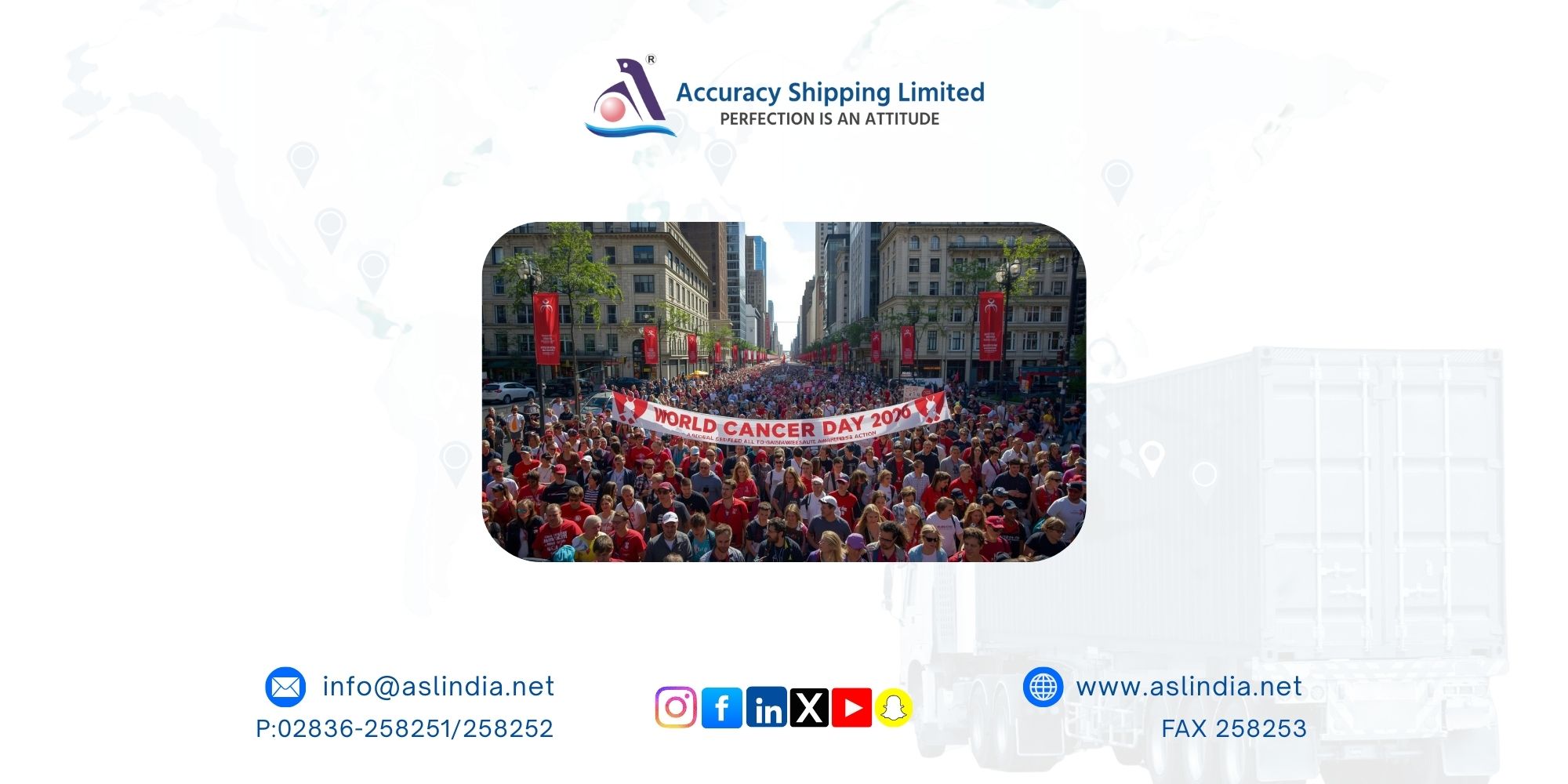
Introduction
World Cancer Day is observed every year on February 4, serving as a powerful reminder that cancer is not just a medical challenge, but a global human issue that demands awareness, compassion, and coordinated action. Established in 2000 at the World Summit Against Cancer for the New Millennium in Paris, the initiative was led by the Union for International Cancer Control (UICC) with a clear mission: to unite the world in the fight against cancer. Over the years, World Cancer Day has grown into a truly global movement, bringing together governments, healthcare institutions, researchers, patients, caregivers, and communities across borders.
The Origins and Purpose of World Cancer Day
World Cancer Day was created to elevate cancer on the global health agenda and to encourage long-term, people-focused solutions. From its very beginning, the goal was not limited to awareness alone. It was about advocacy, policy change, and collective responsibility. The day highlights the importance of prevention, early detection, timely diagnosis, effective treatment, and survivorship care, while also emphasizing the urgent need to reduce inequalities in access to cancer services worldwide.
Why the World Needs Cancer Awareness
Cancer remains one of the leading causes of illness and death globally, affecting millions of individuals and families each year. World Cancer Day exists to remind us that many cancers are preventable and that lives can be saved through early screening, accurate diagnosis, and equitable access to care. Beyond statistics and data, the day brings attention to the real people behind the diagnosis the patients navigating complex systems, the families carrying emotional and financial burdens, and the communities striving for hope and dignity. It also reinforces the reality that where a person lives, their income level, and their access to healthcare can strongly influence outcomes.
From Awareness to Meaningful Impact
Each year, World Cancer Day is guided by a unifying theme that reflects the need for people-centered care and sustained commitment. The 2026 theme, “United by Unique,” underscores the idea that while cancer is a shared global challenge, every patient’s journey is different. World Cancer Day is not only a moment for reflection, but a catalyst for long-term action. It encourages governments to strengthen health systems, supports innovation and research, and amplifies patient voices that are often unheard. Reducing the global cancer burden requires collaboration that goes far beyond a single day it requires continuous effort, shared accountability, and inclusive solutions.
Patient Voices and the Reality of the Cancer Divide
Pat Garcia-Gonzalez’s reflections highlight one of the most pressing challenges in global cancer care: inequality. His words describe a world where access to life-saving treatment is still out of reach for many, forcing families into impossible choices. Stories like that of a husband offering to sell a kidney to fund his wife’s treatment are stark reminders that the gap between those who can access care and those who cannot continues to widen. In this environment, patient support groups become lifelines. They provide guidance, emotional strength, and a sense of belonging, ensuring that patients and families do not face cancer alone.
The Power of Community and Patient Support
The story of Silvia and the patient organization ASOPALEU in Guatemala reflects the true spirit of World Cancer Day. By offering support to anyone who seeks help whether navigating healthcare systems or coping with relapse or terminal illness such organizations demonstrate how unity can restore hope. Their work brings together people from all walks of life, proving that empathy, shared experience, and collective action can make a tangible difference, even in resource-limited settings.
A Shared Responsibility Moving Forward
World Cancer Day 2026 reinforces a simple but powerful message: change is possible when we act together. Whether through patient advocacy, policy reform, community-based care, or innovation in research and clinical access, progress depends on collaboration. As voices from across the globe remind us, cancer care must be designed around people, not systems. Equity will only be achieved when care meets individuals where they are, respecting their unique circumstances while addressing the shared challenge we all face.
Part 1 of this series sets the foundation for understanding why World Cancer Day matters and why awareness must translate into action. In the next part, we will explore how innovation, policy leadership, and community-driven strategies are shaping the future of cancer care worldwide.
Our Tag:
Share:

.png)
.png)
.png)
Newsletters

 31 Oct, 2025
Deendayal Port Authority wins ‘Maritime Excellence Achievers Award’ for innovation at IMW 2025
 28 May, 2025
Shipping bottlenecks in Europe send a warning signal to US, Asia
 02 Jun, 2025
Accuracy Shipping Limited: A Powerful Comeback Story — Navigating the Waves of Growth
 16 Jul, 2025
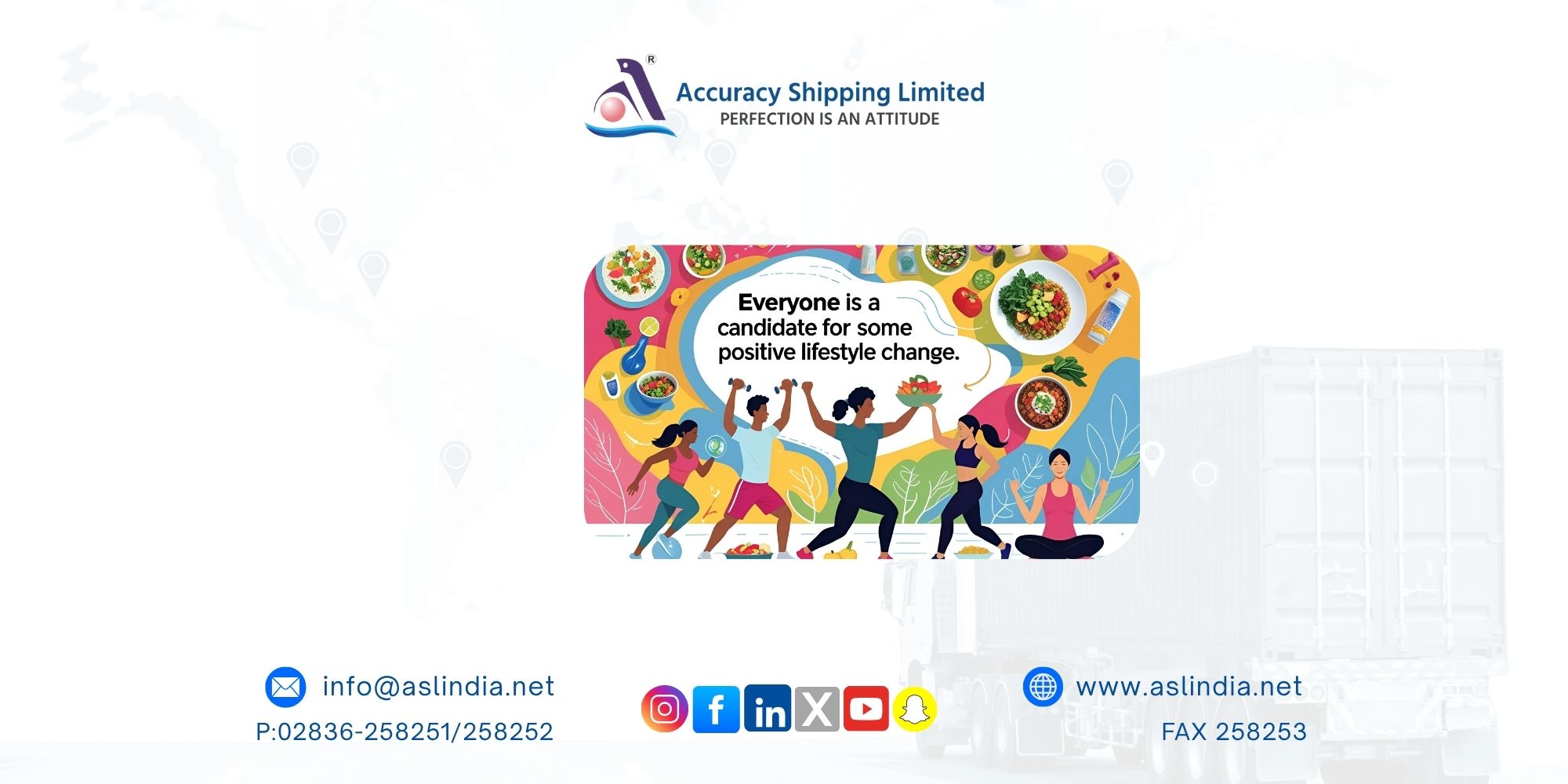
"Everyone is a Candidate for Some Positive Lifestyle Change," Guideline Author Suggests
 20 Nov, 2025

