



WHO recommends new diagnostic tools to help end TB


On World TB Day 2026, the World Health Organization (WHO) has urged countries worldwide to accelerate efforts to eliminate tuberculosis (TB) by adopting new diagnostic technologies and expanding access to life-saving services. These recommendations focus on faster, more affordable, and accessible testing methods that can bring diagnosis closer to patients and reduce delays in treatment.
Faster and More Accessible TB Diagnosis
The WHO’s new guidelines highlight diagnostic tests that can be used near the point-of-care, allowing healthcare providers to detect TB quickly and efficiently. These portable and easy-to-use tests operate on battery power and can deliver results in less than one hour. Notably, these tools are available at less than half the cost of many existing molecular diagnostic systems, making them more accessible for low-resource settings.
By bringing TB diagnosis closer to communities, these innovations can help countries expand testing coverage, enable early detection, and ensure patients begin treatment sooner. According to WHO Director-General Dr. Tedros Adhanom Ghebreyesus, these tools have the potential to be transformative by improving diagnosis speed, saving lives, curbing transmission, and reducing healthcare costs.
New Sample Collection Methods Expand Testing
WHO also recommends new sample collection techniques, including easy-to-collect tongue swab samples. This approach is especially beneficial for adults and adolescents who are unable to produce sputum, allowing them to be tested for TB for the first time. This innovation can help detect the disease among vulnerable populations at higher risk of severe outcomes.
Additionally, WHO promotes a sputum pooling strategy, where samples from multiple individuals are combined and tested together. This method reduces costs, optimizes machine usage, and speeds up results, particularly in settings with limited resources. These strategies aim to improve efficiency and ensure wider testing coverage.
Beyond TB: Multi-Disease Diagnostic Potential
These new diagnostic devices are not limited to TB. They also have the potential to test for other diseases such as HIV, mpox, and HPV. This multi-purpose capability supports a more patient-centered healthcare model and aligns with integrated, one-stop diagnostic services for emerging and ongoing public health challenges.
Global Progress at Risk Without Faster Diagnosis
Tuberculosis remains one of the world’s deadliest infectious diseases. Every day, more than 3,300 people die from TB, while over 29,000 individuals fall ill. Although global efforts since 2000 have saved an estimated 83 million lives, reductions in global health funding threaten to reverse these gains.
One of the biggest challenges has been limited adoption of rapid diagnostic tools due to high costs and dependence on centralized laboratory testing. WHO emphasizes scaling up proven solutions, including point-of-care urine tests for people living with HIV and low-complexity near-point-of-care tests for broader populations. These measures can help close diagnostic gaps, reduce treatment delays, and limit disease transmission.
World TB Day 2026: A Call to Action
Under the theme “Yes! We can end TB: Led by countries, powered by people”, WHO is calling for urgent global action to:
Accelerate the rollout of near point-of-care diagnostic technologies
Strengthen people-centered TB care with community leadership
Build resilient health systems to protect health security
Address social and economic drivers of TB through multisectoral action
Protect essential TB services during global crises and funding constraints
WHO highlights that investing in TB programs is not only a health priority but also an economic opportunity, generating up to US$43 in health and economic returns for every dollar spent.
Need for Continued Innovation and Research
While new diagnostic tools mark significant progress, ending TB will require sustained investment in research and development. Global funding for TB research remains far below the estimated annual requirement of US$5 billion, leaving gaps in the development of new diagnostics, treatments, and vaccines.
To address this, WHO is working with partners through initiatives like the TB Vaccine Accelerator Council, which aims to fast-track vaccine development and ensure equitable access. As countries observe World TB Day 2026, WHO urges governments and stakeholders to prioritize TB elimination as a core element of global health security and universal health coverage.
Conclusion
The introduction of new diagnostic tools and innovative testing strategies represents a major step toward ending tuberculosis. By improving access to rapid, affordable testing and strengthening healthcare systems, countries can detect TB earlier, initiate treatment faster, and ultimately save millions of lives. With strong leadership, strategic investment, and community involvement, the global goal of ending TB is within reach.
Our Tag:
Share:

.png)
.png)
.png)
Newsletters
 25 Mar, 2026
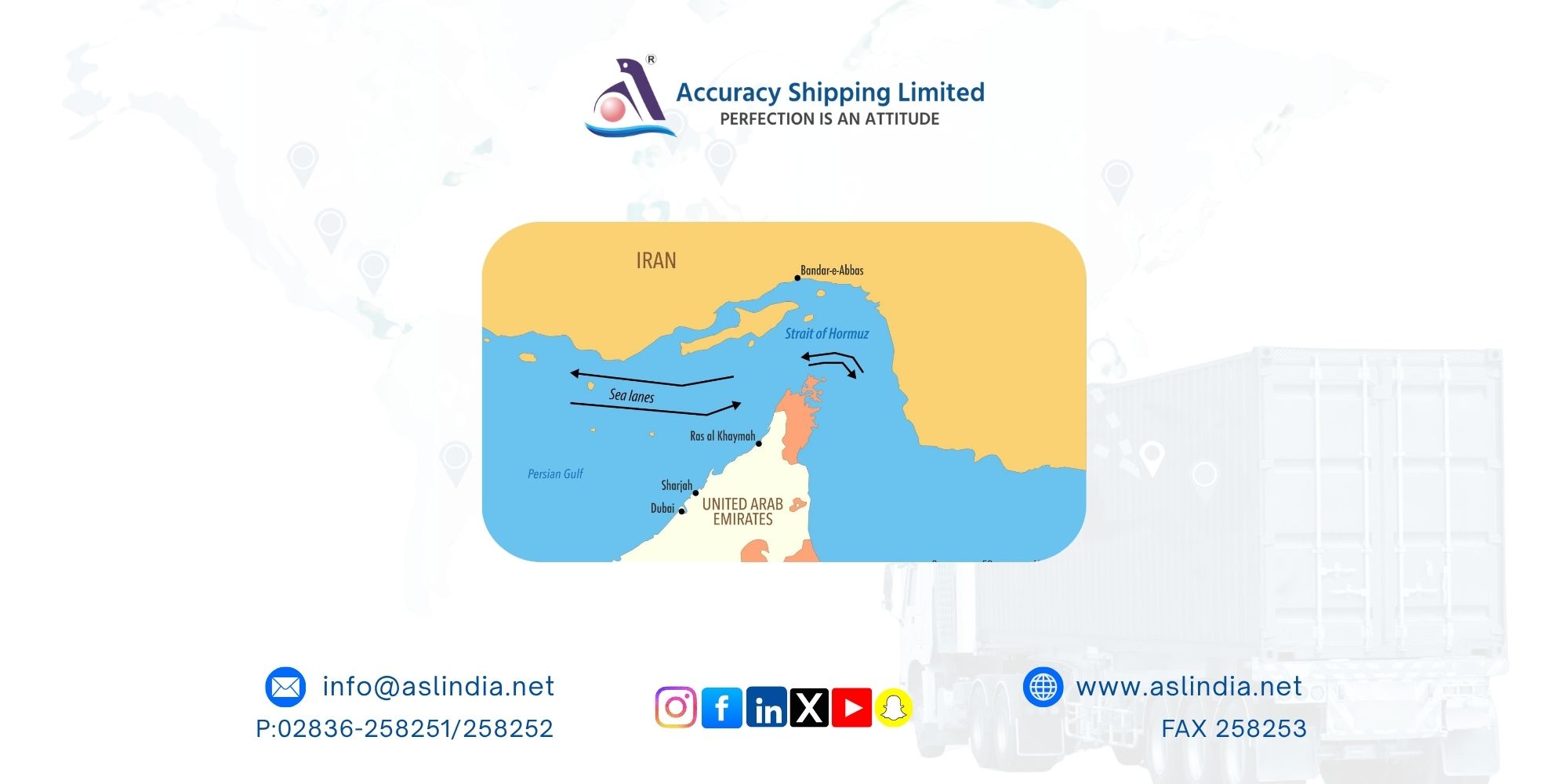
India Says No Permission Needed to Sail Through Strait of Hormuz Amid Ongoing Conflict
 07 Jan, 2026
Stock markets fall for second day as selling in Reliance Industries, HDFC Bank dents sentiment
 05 Jul, 2025
‘AI, green finance to redefine banking sector’
 18 Apr, 2025
Isuzu Motors India emerges as top exporter of commercial vehicles
 14 Apr, 2025

