



WHO recommends GLP-1 for treating obesity. What is it?

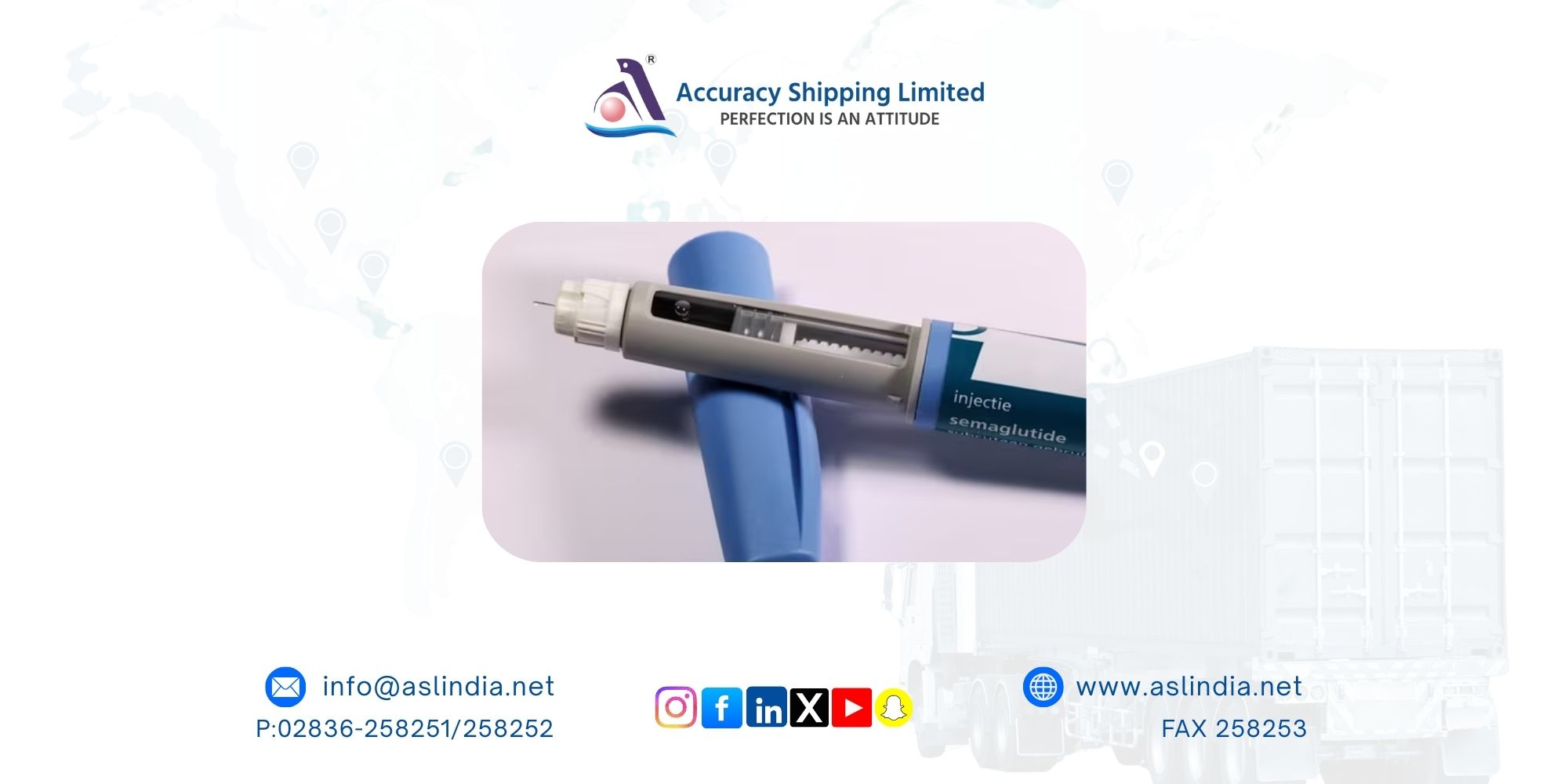
The World Health Organisation (WHO) has issued its first-ever guidelines for the treatment of obesity, marking a significant shift in global public health policy. On Monday, the WHO released a conditional recommendation endorsing the use of GLP-1 therapies for long-term obesity management in adults excluding pregnant women. This comes at a time when the demand for GLP-1 agonists has surged worldwide, prompting governments to explore how to integrate these medications into their healthcare systems.
Alongside this, WHO has also recommended that these drugs be paired with a healthy diet and regular physical activity, reinforcing the importance of holistic treatment. As the popularity of these drugs increases, many are asking: What exactly are GLP-1 agonists, and how do they work?
What Are GLP-1 Agonists?
Glucagon-like peptide-1 receptor agonists (GLP-1s) are a class of medicines originally developed to treat diabetes. According to the Centers for Disease Control and Prevention (CDC), these drugs help:
Lower blood sugar levels
Support weight loss
Protect the heart and kidneys
These medications mimic a natural hormone called GLP-1, which is released in the gastrointestinal tract after a person eats. As explained by Harvard Medical School, this hormone plays a key role in regulating blood sugar and appetite.
How Do GLP-1 Drugs Work?
When you consume food, your digestive system breaks carbohydrates into simple sugars, which enter the bloodstream. In response, the GLP-1 hormone signals the pancreas to release insulin a hormone that moves glucose from the bloodstream into cells for energy.
However, in people with Type 2 diabetes, the body may not produce enough insulin or becomes resistant to it. GLP-1 agonists help by:
Stimulating the pancreas to release more insulin
Suppressing glucagon, a hormone that increases blood sugar
Maintaining stable glucose levels
Beyond blood sugar control, GLP-1 medications also support weight loss by:
Reducing hunger
Slowing stomach emptying
Helping people feel full for longer
Because weight management plays a crucial role in managing diabetes, these effects are highly beneficial.
GLP-1 Drugs for Obesity Treatment
The U.S. Food and Drug Administration (FDA) has already approved multiple GLP-1 agonists for weight loss even for people who do not have diabetes. When used for obesity, these drugs are usually prescribed at higher doses compared to their use in diabetes treatment.
The WHO’s new recommendation is expected to further boost global adoption of GLP-1 therapies, particularly as obesity continues to rise worldwide. With more countries now considering how to include these drugs in national healthcare systems, the focus is shifting toward long-term, medically backed weight management strategies.
A Step Forward in Global Obesity Care
WHO’s endorsement acknowledges the growing evidence that GLP-1 agonists can be a powerful tool in tackling obesity but stresses the importance of pairing medication with lifestyle changes. As research continues and access expands, GLP-1 therapies may become a cornerstone of long-term obesity treatment across the world.
Our Tag:
Share:

.png)
.png)
.png)
Newsletters

 30 Jul, 2025
India’s industrial and warehousing leasing surges 63%: Report
 01 Jan, 2026
Uttar Pradesh flags off Bharat Electronics Yatra, reinforces role as electronics manufacturing hub
 21 Nov, 2025
India aims for global-class chipmaking strength by 2032 as semiconductor push accelerates
 06 Nov, 2025
Celebrity nutritionist Rujuta Diwekar shares '3 small lifestyle habits’ that can make a big impact on your health
 24 Jul, 2025

