



West Asia War Disrupts Trade: 45,000 Indian Containers Stranded; Export Costs Jump Fivefold

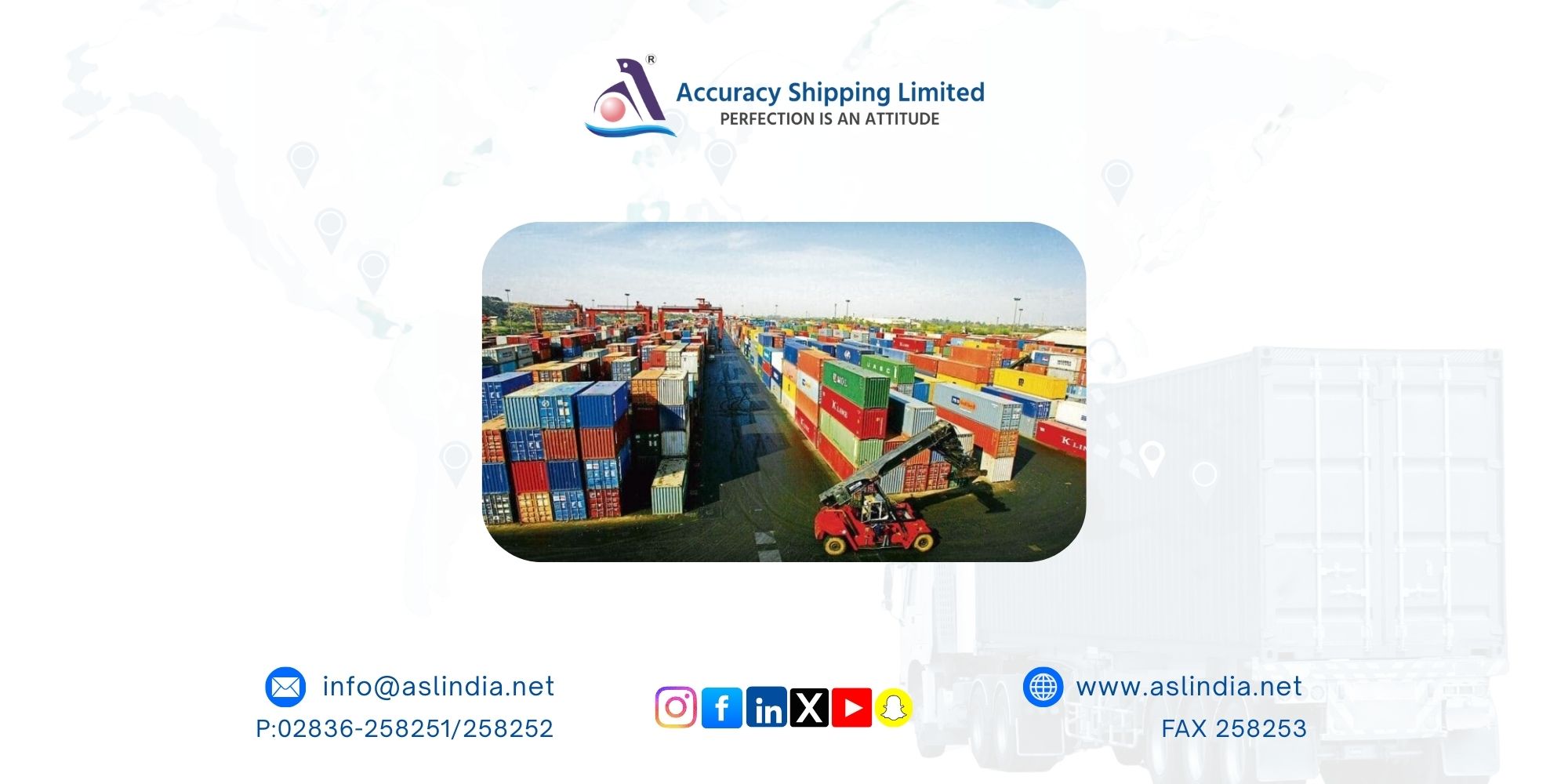
Global trade routes are once again facing severe disruption as the ongoing conflict in West Asia begins to affect shipping operations and logistics networks. The crisis has created significant challenges for Indian exporters, with nearly 45,000 containers reportedly stranded across vessels, ports, and transit routes.
As geopolitical tensions intensify, shipping companies are being forced to adjust their routes and operational strategies. These changes are having a direct impact on India’s export sector, increasing freight costs and creating uncertainty for exporters who rely heavily on maritime trade routes connecting Asia, Europe, and North America.
Large Number of Indian Containers Stranded
According to industry sources, around 45,000 Indian export containers are currently stuck at various stages of the shipping process. Some containers remain on vessels unable to proceed through critical routes, while others are held up at international ports or awaiting transit clearance.
The main reason behind this disruption is the ongoing conflict in West Asia, which has made several strategic maritime corridors unsafe for commercial vessels. Shipping companies are exercising caution to protect their vessels, crew, and cargo from potential security threats in the region.
These disruptions are delaying shipments of several Indian export products, including manufactured goods, textiles, engineering products, and consumer commodities.
Freight and Logistics Costs Surge Dramatically
The crisis has also triggered a sharp increase in logistics expenses. Exporters report that freight costs have increased up to five times compared to normal levels.
Several factors are contributing to this spike:
War-risk insurance premiums imposed by shipping insurers
Route diversions and longer travel distances
Limited vessel availability due to disrupted schedules
Additional security measures required for ships passing near conflict zones
These rising costs are placing additional pressure on exporters who are already dealing with tight margins and competitive international markets.
Shipping Lines Avoiding Sensitive Maritime Routes
One of the most affected areas is the Strait of Hormuz, a crucial global shipping chokepoint that connects the Persian Gulf with international waters.
Due to security concerns, many shipping lines are:
Avoiding the Strait of Hormuz entirely
Delaying vessel departures
Rerouting shipments through longer alternative routes
Returning cargo back to Indian ports
While these precautions help reduce risk to vessels and crew, they significantly disrupt normal trade flows and increase transit times.
Risk of Congestion at Indian Ports
Industry stakeholders have warned that returning containers to Indian ports could lead to severe congestion. If vessels continue to redirect cargo back to India, ports may experience storage capacity issues and operational delays.
Possible consequences include:
Increased port handling delays
Shortage of empty containers for new shipments
Disruptions to scheduled export consignments
Higher demurrage and storage charges
Such congestion could create additional bottlenecks in the supply chain, further slowing India's export operations.
Exporters Seek Government Intervention
Given the scale of disruption, exporters are expected to raise the issue with the Indian government and relevant maritime authorities. Industry bodies are urging the government to introduce urgent support measures to stabilize export logistics.
Key concerns raised by exporters include:
Managing the large number of stranded containers
Controlling rapidly rising freight rates
Preventing supply chain disruptions
Ensuring smooth functioning of major Indian ports
Stakeholders believe that coordinated action between shipping companies, port authorities, and government agencies will be essential to prevent further escalation of the problem.
Impact on Global Trade and Indian Export Competitiveness
The West Asia crisis highlights how geopolitical tensions can quickly ripple through global supply chains. For India, which relies heavily on maritime trade, disruptions in strategic shipping routes can have significant economic consequences.
Higher freight costs and delayed deliveries may affect the competitiveness of Indian goods in international markets, particularly in Europe and the United States, which are key export destinations.
Conclusion
The ongoing conflict in West Asia is creating serious challenges for India’s export sector, leaving tens of thousands of containers stranded and pushing logistics costs to unprecedented levels. As shipping routes become increasingly uncertain, exporters are navigating rising expenses, delayed shipments, and potential port congestion.
Swift policy action and coordinated logistics planning will be crucial to mitigate the impact of the crisis and ensure that India's export supply chains remain resilient in the face of geopolitical disruptions.
Our Tag:
Share:

.png)
.png)
.png)
Newsletters
 09 Jul, 2025
Latest in Trump tariffs may hit India severely: 200% on medicines, 50% on copper
 19 Sep, 2025
Telangana man ‘shot dead’ by police in U.S., family requests MEA to help in bringing back mortal remains
 08 Oct, 2025
Udupi Cochin Shipyard launches 70-tonne tug for Adani Group’s Ocean Sparkle
 16 Apr, 2025
Sedentary lifestyle linked to fatty liver disease, say experts
 30 May, 2025

