



West Asia dominates Lok Sabha; resolution on Speaker’s removal not taken up

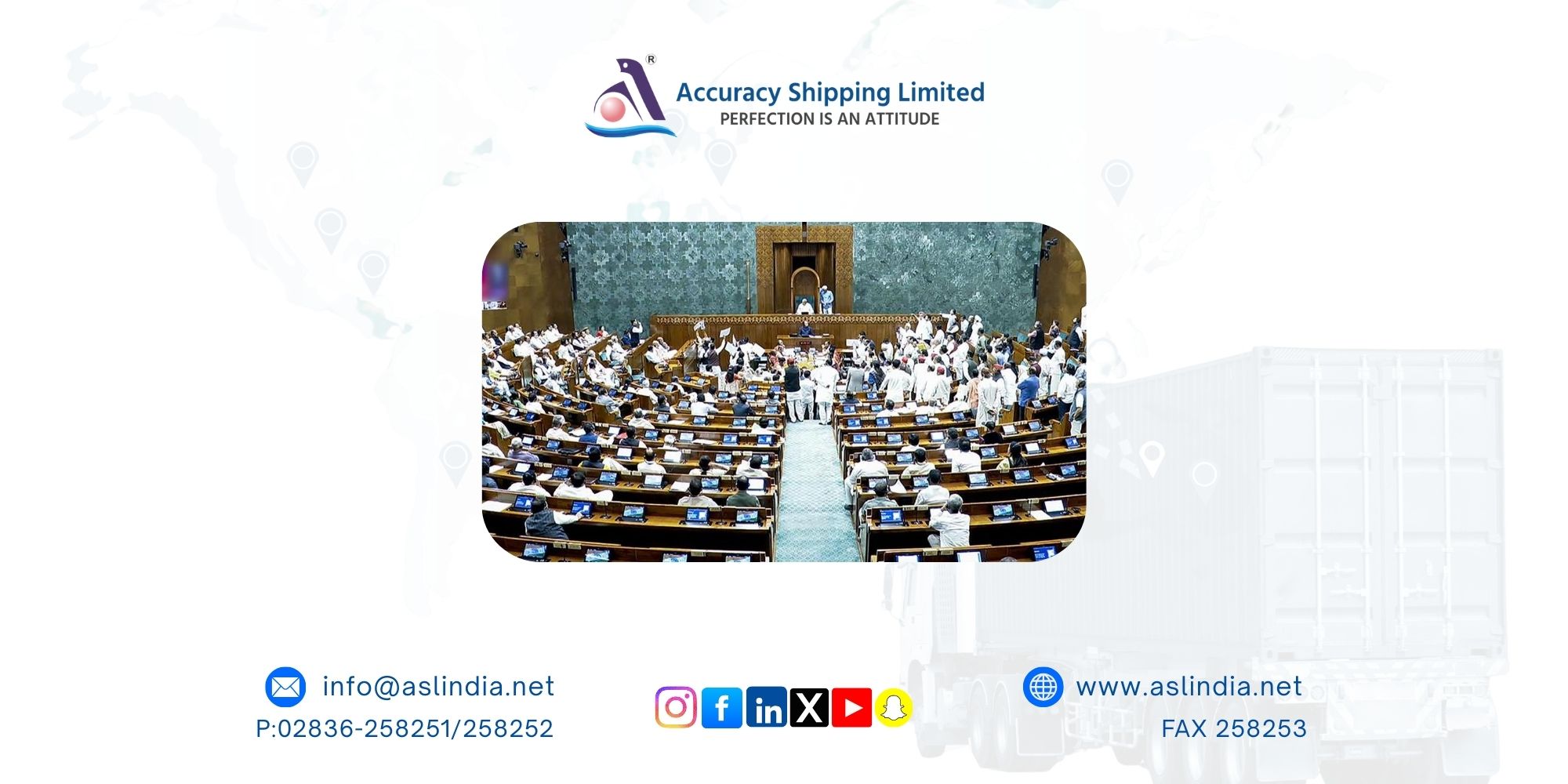
The ongoing crisis in West Asia triggered heated exchanges in the Indian Parliament as the Budget Session of the Lok Sabha resumed on March 9, 2026. Repeated disruptions by Opposition members prevented the House from taking up a resolution seeking the removal of Speaker Om Birla, while debates centered on the escalating situation in West Asia and its implications for India.
The standoff between the government and the Opposition led to multiple adjournments throughout the day, highlighting growing political tensions over the issue.
Opposition Demands Discussion on West Asia Crisis
The Opposition strongly insisted on a comprehensive discussion about the West Asia conflict, emphasizing its potential impact on nearly 10 million Indians living in the region and on India's economy.
Opposition leaders argued that the ongoing war could have serious consequences for:
Energy security and fuel prices
Indian workers and expatriates in West Asia
Global trade routes and shipping
India’s financial markets and exports
Members of the Opposition raised slogans in the House demanding a debate before any other parliamentary business could proceed.
Government Reluctant to Reopen Debate
The government signaled that it is unlikely to accept the Opposition’s demand for another discussion, noting that External Affairs Minister S. Jaishankar had already made a suo motu statement on the West Asia crisis in both Houses of Parliament.
However, Mr. Jaishankar’s remarks in the Lok Sabha were delivered amid continuous sloganeering from Opposition MPs, which further intensified the political confrontation.
According to government sources, the administration intends to prioritize the debate on the resolution seeking the removal of the Speaker before revisiting other issues.
Government Criticizes Opposition’s Conduct
Parliamentary Affairs Minister Kiren Rijiju sharply criticized Opposition parties, calling their actions irresponsible.
He stated in the House:
“I have never seen such an irresponsible Opposition Party in my life. This Opposition doesn’t understand the basic ethics of this House, the rules of this House and the values of the Constitution.”
Meanwhile, Jagadambika Pal, who chaired the proceedings for part of the day, accused the Opposition of holding Parliament “hostage” and wasting taxpayers’ money.
He pointed out that each day of parliamentary proceedings costs approximately ₹9 crore, emphasizing the financial impact of repeated disruptions.
Rahul Gandhi Attacks Government’s Position
Leader of Opposition Rahul Gandhi adopted a strong stance against the government, criticizing its reluctance to discuss the West Asia crisis.
Speaking to reporters inside the Parliament complex, Gandhi warned that the conflict could lead to serious economic consequences for India.
He said:
“Our economy is going to face major losses, and you have seen what has happened in the stock markets.”
Gandhi also alleged that the government was avoiding debate on the issue to prevent scrutiny of its foreign policy and economic decisions.
INDIA Bloc Plans Next Strategy
Opposition parties belonging to the Indian National Developmental Inclusive Alliance (INDIA) are expected to meet to decide their next course of action.
Senior Congress leaders including Gaurav Gogoi and Manish Tewari are likely to participate in the debate if the resolution regarding the Speaker is eventually taken up.
Earlier in the day, MPs from the INDIA bloc also staged a protest outside the Parliament building, demanding that the government allow a full discussion on the West Asia situation and its economic implications.
House Adjourned After Repeated Disruptions
The Lok Sabha faced two adjournments during the day, and when the House reassembled at 3 p.m., the disruptions continued. With no consensus between the government and Opposition, the House was adjourned for the day without taking up the resolution seeking the Speaker’s removal.
The developments highlight the growing political divide over the West Asia crisis and its potential impact on India’s economy, diplomacy, and citizens living abroad.
Our Tag:
Share:

.png)
.png)
.png)
Newsletters

 16 Dec, 2025
GIFT City strengthens India’s push into ship leasing
 22 Jan, 2026
India’s Multimodal Logistics Push Gains Momentum, Offers Long-Term Opportunity for Transport and Port Operators
 01 Jul, 2025
Kuldeep Yadav - The luxury India have rarely allowed themselves
 16 Dec, 2025
Shares to buy or sell: Chandan Taparia recommends three stocks to buy and sell today - 16 December 2025
 16 Jan, 2026

