



US doctor warns of rising early-onset of colorectal cancer – What are its symptoms? How to reduce risk?

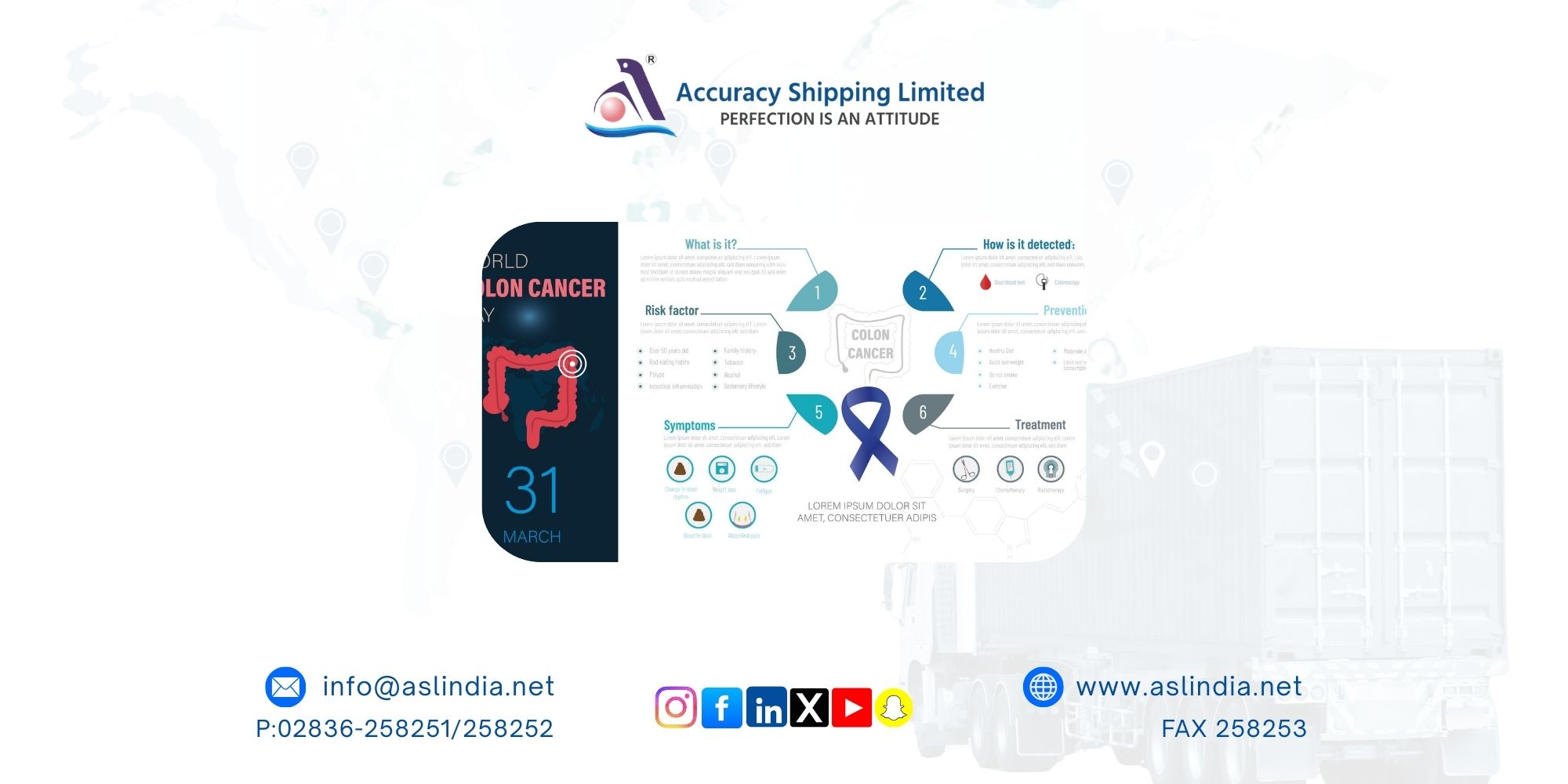
Colorectal cancer is emerging as one of the fastest-growing cancers globally, and what’s particularly concerning is its increasing incidence among people under 50. A US-based gastroenterologist has raised alarm over this growing health trend, highlighting a strong dietary link that may be fueling the rise.
What Is Colorectal Cancer?
Colorectal cancer is a type of cancer that begins in the colon (the longest part of the large intestine) or the rectum (the final section of the digestive tract). Because these cancers share similar characteristics, they are grouped under one name.
Most colorectal cancers start as small, non-cancerous growths called polyps. Over time sometimes several years these polyps can develop into cancer. The disease usually begins in the mucosa, the innermost lining of the colon or rectum. If left untreated, it can grow through the wall layers and spread to nearby lymph nodes or other organs.
Early-Onset Cases Rising Worldwide
According to Dr Saurabh Sethi, a Harvard-certified gastroenterologist, early-onset colorectal cancer (under age 50) has risen nearly 80% worldwide over the past 30 years.
In a viral Instagram post, Dr Sethi pointed out one common pattern observed in early-onset cases: ultra-processed foods.
He referenced findings published in JAMA Oncology, which linked higher consumption of ultra-processed foods to increased colorectal cancer risk markers.
Women consuming the highest amounts of ultra-processed food about one-third of their daily calories had a 45% higher risk of developing precancerous colon polyps. Since polyps are often the earliest step toward colon cancer, this connection is particularly concerning.
Dr Sethi explained that ultra-processed diets are associated with:
Chronic low-grade inflammation
Microbiome disruption
Metabolic dysfunction
All of these factors are linked to colorectal cancer development. However, he emphasized that the goal isn’t perfection it’s lowering daily exposure.
Key Risk Factors of Colorectal Cancer
While anyone can develop colorectal cancer, certain risk factors increase the likelihood:
1. Advancing Age
Although traditionally associated with older adults, cases among younger individuals are rising.
2. Family History
Having a close relative diagnosed with colorectal cancer increases personal risk.
3. Health Conditions
Type 2 diabetes and inflammatory bowel diseases such as Ulcerative Colitis and Crohn’s disease elevate risk.
4. Lifestyle Factors
Diets high in processed meats
Sedentary lifestyle
Smoking
Heavy alcohol use
Common Symptoms to Watch For
Recognizing warning signs early can make a significant difference. Dr Sethi advises paying attention to:
Persistent changes in bowel habits
Blood in the stool
Unexplained weight loss
Ongoing abdominal pain
Unusual or persistent fatigue
“Persistent symptoms deserve evaluation,” he stresses. Ignoring these signs can delay diagnosis and treatment.
5 Practical Ways to Reduce Your Risk
1. Reduce Ultra-Processed ‘Staples’
Packaged breads, sweetened yogurts, cereals, flavored creamers, and bottled sauces are major contributors. Small swaps like choosing whole-grain bread or homemade sauces can significantly lower daily exposure.
2. Prioritize Fibre Intake
Aim for 25–38 grams of fiber daily. Fiber supports colon health and feeds beneficial gut bacteria, strengthening your digestive system.
3. Minimize Sugary Drinks
Liquid sugars contribute to metabolic stress and gut inflammation. Choose water, coffee, or unsweetened tea instead.
4. Choose Shorter Ingredient Lists
If a label reads like a chemistry experiment, it’s likely ultra-processed. Food should look and sound like real food.
5. Know the Warning Signs
Early action saves lives. Don’t ignore persistent digestive symptoms.
Early Detection Is Key
Colorectal cancer is considered one of the most preventable cancers because it often begins as a polyp. A colonoscopy can detect and remove these polyps before they turn cancerous, making screening a powerful prevention tool.
With early-onset cases rising sharply, awareness, smarter dietary choices, and timely screening are more important than ever. Small, consistent changes today could significantly reduce your long-term cancer risk.
Early prevention isn’t about perfection it’s about progress.
Our Tag:
Share:

.png)
.png)
.png)
Newsletters

 09 Feb, 2026
Over a billion Android phones left exposed as Google ends security updates for older versions
 04 Dec, 2025
Putin's India visit: What does the Indian stock market expect? Explained
 13 Mar, 2026
Stocks to Watch for March 13: Max Financial Services, Indian Overseas Bank, JK Lakshmi Cement and more
 29 Jul, 2025
‘Kitne aadmi the’: Ex Tech Mahindra CEO calls TCS layoffs end of ‘Sholay era’ in IT companies
 20 Dec, 2025

