



Swiggy, Zepto rebrands ‘10-minute’ delivery claim after government order

Introduction
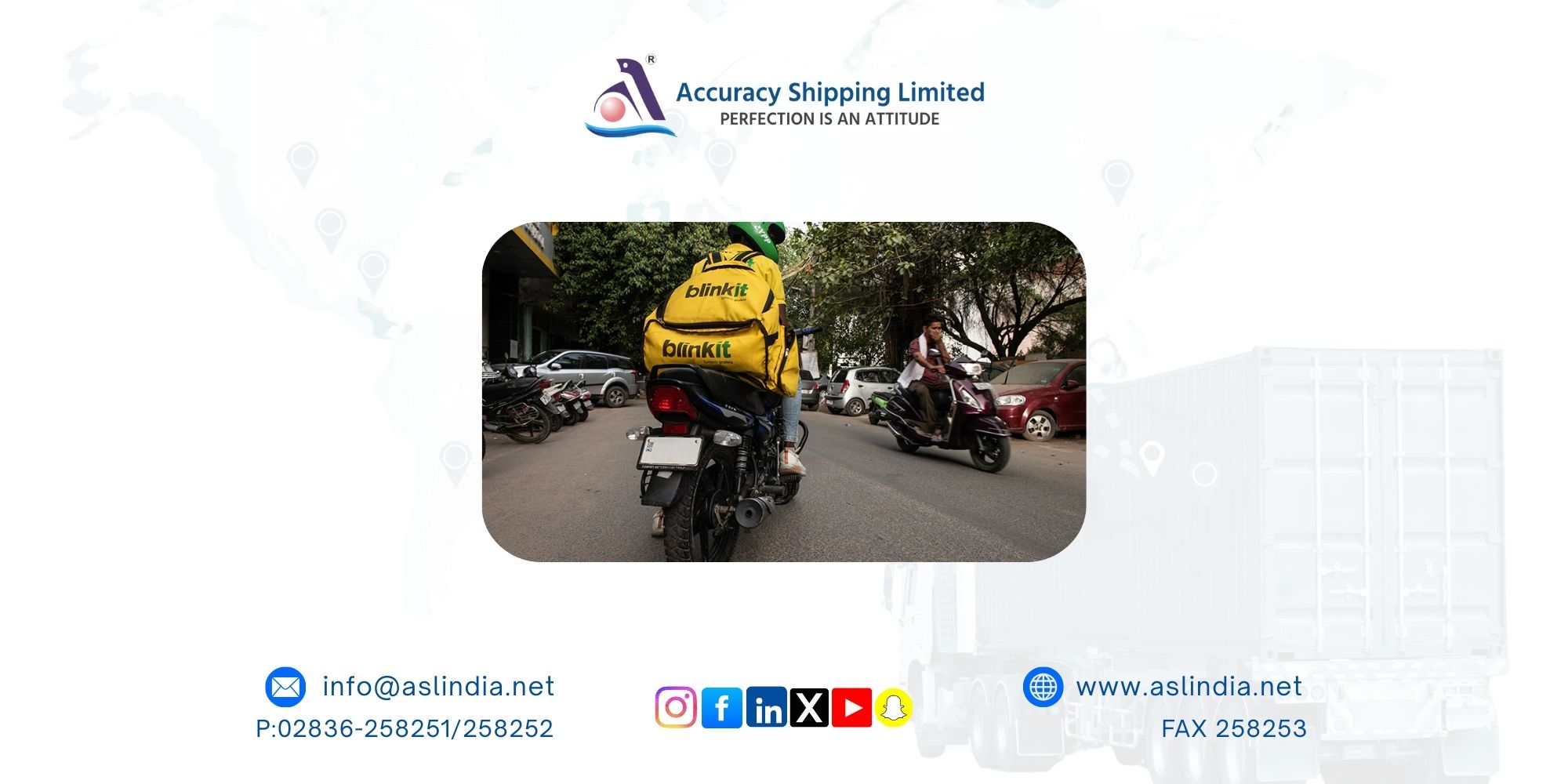
India’s fast-growing quick commerce sector is witnessing a subtle but significant shift. Leading platforms like Swiggy and IPO-bound Zepto have removed the popular “10-minute delivery” branding from their apps following a government directive. While the change appears cosmetic on the surface, it reflects deeper concerns around worker safety, pay structures, and regulatory oversight in a sector racing ahead on speed.
Government intervention and labour concerns
According to a report by Reuters, the Labour Ministry raised the issue during a closed-door meeting on January 10 with representatives from Swiggy, Zepto, and Eternal’s Blinkit. The ministry asked these companies to stop promoting grocery deliveries explicitly as a “10-minute” service. The concern stemmed from fears of rash driving by delivery riders and the pressure of low pay or penalties when orders were not completed within the promised time.
Rebranding across quick commerce apps
By January 14, 2026, Swiggy and Zepto had updated their apps to remove references to “10-minute” delivery claims. Reuters had earlier reported on January 13 that the government had ordered Blinkit, Zepto, and Swiggy to halt such promotional messaging. Despite the branding change, the core promise of fast deliveries remains central to their operations.
Industry size and competitive pressure
India’s quick commerce sector is currently valued at around $11.5 billion, according to data from Datum Intelligence. Companies are locked in an intense battle for market share, investing billions to open more dark stores and fulfil orders faster as urban consumers increasingly demand near-instant delivery of groceries, electronics, and daily essentials.
Expert view on the impact
Market experts believe the move is more about optics than operations. Karan Taurani, Executive Vice President at Elara Capital, noted that removing the 10-minute catchline does not alter the business model. According to him, quick commerce will continue to be driven by speed, convenience, and proximity-based fulfilment, which remains structurally superior to traditional e-commerce timelines.
Company responses and market reaction
Eternal later clarified that there was no change in the business model of Blinkit. Zepto declined to comment, while Swiggy did not immediately respond to Reuters’ request for comment. In the stock market, Swiggy’s shares pared earlier losses after falling as much as 2.6%, ending the session down 1.23%, while Eternal’s shares climbed about 1%.
What this means for the future
The rebranding signals a more cautious approach to how speed is marketed in India’s quick commerce space. While ultra-fast deliveries are here to stay, companies may now focus on responsible messaging that balances customer expectations with rider safety and fair labour practices. As regulatory scrutiny increases, the sector’s next phase of growth is likely to be shaped as much by compliance and sustainability as by speed alone.
Our Tag:
Share:

.png)
.png)
.png)
Newsletters
 11 Aug, 2025
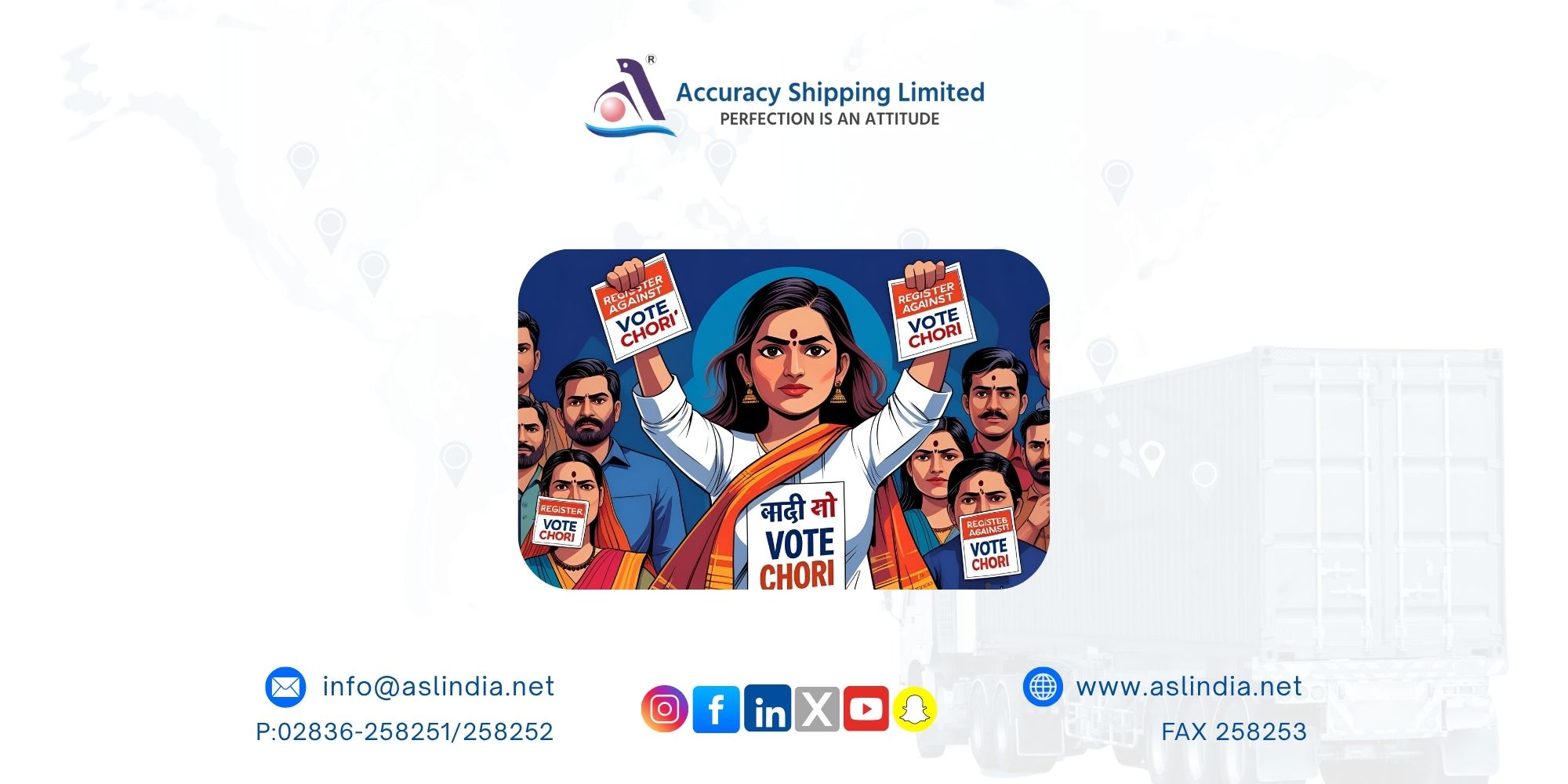
Congress launches campaign urging people to register against 'vote chori'
 18 Sep, 2025
Sundar Pichai reacts to Nvidia CEO Jensen Huang ‘going bananas’ for Google Gemini’s Nano Banana
 25 Jun, 2025
Virat Kohli would have said, 'I'll get England all out before Tea': Shubman Gill's defensive captaincy under fire
 28 Oct, 2025
Adani to Invest ₹42,500 Crore in Dighi Port; Maharashtra Signs ₹56,000-Crore Maritime MoUs
 06 Jun, 2025

