



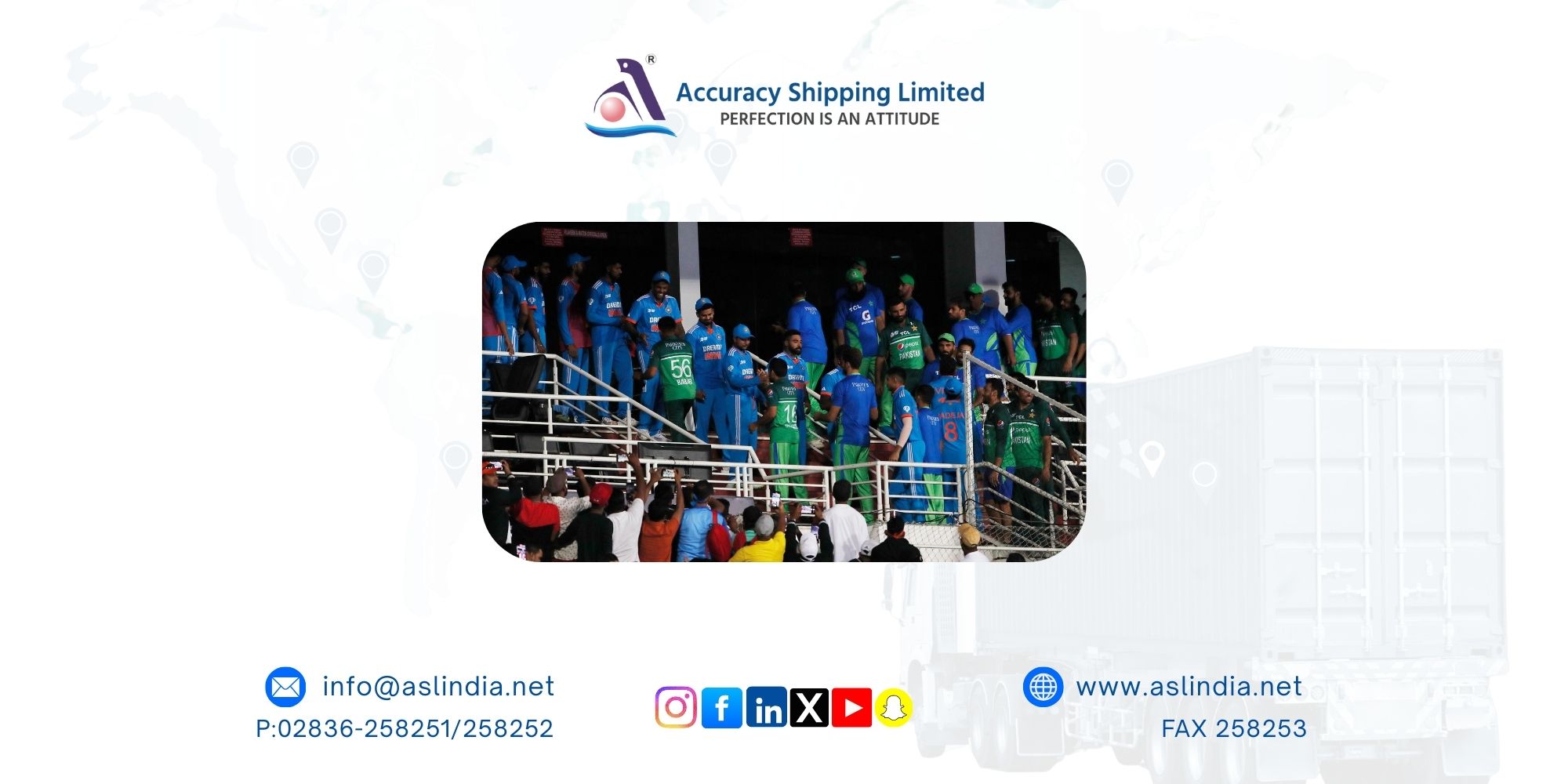
Pakistan tells ICC to revive bilateral ties with India; Mohsin Naqvi brings up Asia Cup no-handshake chapter: Report

Introduction
The long-standing cricketing and political tensions between India and Pakistan have once again spilled onto the international stage, with Pakistan formally urging the International Cricket Council to help revive bilateral cricket ties. As the deadline for the much-anticipated India–Pakistan clash in the upcoming T20 World Cup approaches, fresh developments suggest the standoff may be close to an end, albeit with conditions.
PCB–ICC Talks Signal Possible End to Boycott Call
The standoff between the Pakistan Cricket Board and the International Cricket Council over the India–Pakistan T20 World Cup match appears to be nearing resolution. On Sunday, a two-member ICC delegation comprising Deputy Chairman Imran Khawaja and Associate Members’ representative Mubashir Usmani arrived in Pakistan to meet PCB chief Mohsin Naqvi. The meeting focused on Pakistan’s earlier decision to boycott the scheduled February 15 match against India in Colombo.
Background to the Boycott Decision
On February 1, just two weeks before the T20 World Cup, the Government of Pakistan announced that its men’s team would not take the field against India at the Premadasa Stadium. The decision was framed as an act of solidarity with Bangladesh, who were eliminated after refusing to travel to India during the tournament. The announcement escalated tensions and raised concerns within the global cricketing community.
Mohsin Naqvi’s Three Key Demands
According to a report by Telecom Asia Sport, PCB chairman Mohsin Naqvi placed three conditions before the ICC to withdraw the boycott call. These included an increase in Pakistan’s annual ICC revenue share, ICC’s intervention to help revive bilateral cricket series between India and Pakistan, and a reiteration of on-field sporting ethics specifically referencing the no-handshake incident during the Asia Cup. Naqvi reportedly stressed that players should observe customary greetings and uphold the spirit of the game.
Asia Cup No-Handshake Episode Resurfaces
The Asia Cup “no-handshake” controversy was also raised during discussions. Naqvi highlighted that such actions damage the ethos of cricket and called for clear expectations around sportsmanship during high-profile matches. The issue has since become symbolic of the broader breakdown in cricketing relations between the two nations.
Bangladesh Cricket Board Raises Separate Demands
The emergency meeting in Lahore was also attended by Bangladesh Cricket Board president Aminul Islam. Alongside Pakistan’s concerns, Bangladesh reportedly demanded monetary compensation from the ICC and hosting rights for a future global tournament, potentially the 2028 Under-19 World Cup. ICC officials assured both boards that their demands would be formally presented to the ICC Board for consideration.
Final Decision Rests with Pakistan’s Government
Despite progress in talks, the final call on whether Pakistan will play India rests with Prime Minister Shehbaz Sharif, as the original boycott decision was announced by the Government of Pakistan. Mohsin Naqvi, who also serves as Pakistan’s Interior Minister, is expected to meet the Prime Minister within the next 24–48 hours. A definitive verdict on the issue is anticipated in the coming days.
Regional Pressure and Sri Lanka Cricket’s Appeal
Adding to the momentum, Sri Lanka Cricket has also written to the PCB, urging it to reconsider its stance. The board reminded Pakistan of Sri Lanka’s past support and called for reciprocity, especially given the broader implications for international tournaments hosted in the region.
What Lies Ahead
With ICC officials playing the role of mediators and multiple stakeholders pushing for resolution, the chances of the India–Pakistan clash going ahead appear stronger than before. However, the episode once again underlines how cricketing decisions in South Asia remain deeply intertwined with politics, diplomacy, and regional sensitivities.
Our Tag:
Share:

.png)
.png)
.png)
Newsletters

 20 Jun, 2025
KL Rahul's first words to Shubman Gill the moment he was named India's Test captain: 'You need to give people space'
 10 Dec, 2025
Sarbananda Sonowal Inaugurates 3rd Global IALA Council Session in Mumbai
 04 Dec, 2025
Putin's India visit: What does the Indian stock market expect? Explained
 31 Oct, 2025
Heart surgeon explains how aerobic exercise helps to lower blood pressure: ‘Movement is truly medicine…’
 12 Sep, 2025

