



India–US Seal Landmark Tariff-Cut Deal, Set Stage for Formal Trade Pact

Introduction
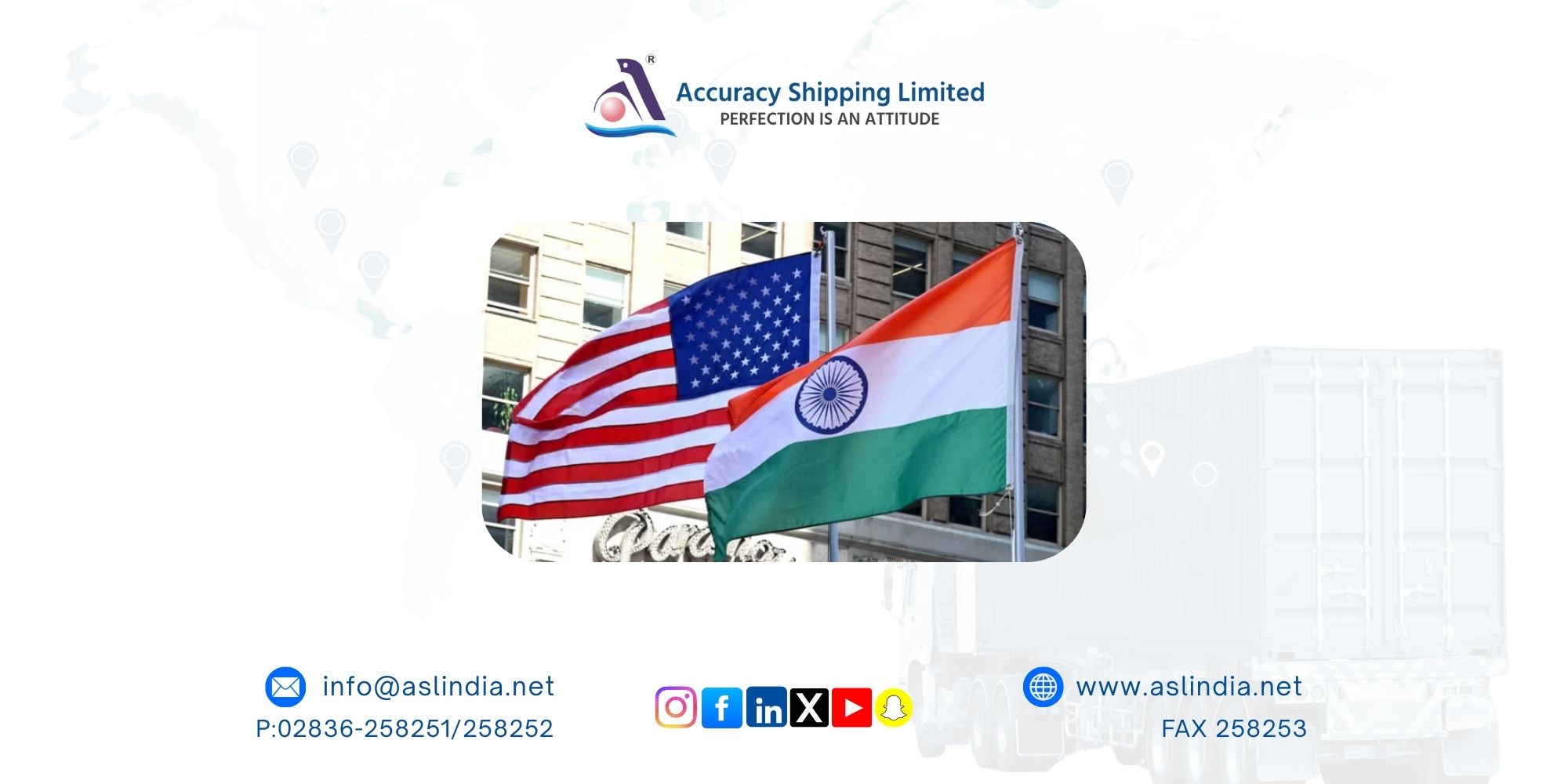
India and the United States have taken a major step toward resetting bilateral trade relations, with both sides agreeing to significantly reduce tariffs and trade barriers. The political understanding, announced after a high-level conversation between leaders of the two democracies, is being seen as a precursor to a formal and legally binding trade pact.
Key Highlights of the Tariff-Cut Agreement
US President Donald Trump announced that Washington has agreed to immediately reduce tariffs on Indian goods from 25 per cent to 18 per cent. In return, India has committed to cutting tariffs and non-tariff barriers on US products to zero, signalling a substantial opening of its market to American exports.
According to US officials, Washington will also withdraw an additional 25 per cent tariff imposed earlier over India’s purchases of Russian oil, with the clear condition that India must fully cease, not merely reduce, such imports.
Leadership-Level Engagement and Strategic Messaging
Following a phone call with Narendra Modi, President Trump described the Indian leader as a close friend and praised India’s willingness to ease trade barriers and increase energy purchases from the United States. The announcement underscores a broader strategic alignment beyond trade, touching upon energy security and geopolitical considerations.
Responding on X, Prime Minister Modi welcomed the reduction in tariffs on “Made in India” products, stating that the understanding will support Indian manufacturers and exporters while strengthening the strategic partnership between the two nations.
Economic Impact and ‘Make in India’ Push
External Affairs Minister S. Jaishankar hailed the agreement as a catalyst for job creation, economic growth, and innovation. He emphasized that the deal will reinforce the government’s Make in India initiative and promote trusted technology partnerships, particularly in high-technology and value-added sectors.
Commerce and Industry Minister Piyush Goyal described the pact as unlocking unprecedented opportunities for farmers, MSMEs, entrepreneurs, and skilled workers in both countries. He highlighted the shared potential of two large democracies collaborating for mutual prosperity.
Echoing this optimism, Railway and Information & Broadcasting Minister Ashwini Vaishnaw termed the understanding a “win-win deal,” noting its wide-ranging benefits for citizens and industries on both sides.
Roadmap to a Formal Trade Pact
Officials from both countries have indicated that the current political understanding on tariff reductions will now move toward a formally negotiated and legally vetted trade agreement, expected to be signed in the near future. Trade analysts believe that the shift to an 18 per cent US tariff could significantly improve India’s export competitiveness in key sectors, while India’s reciprocal market opening marks a notable recalibration of its trade posture toward Washington.
Conclusion
The India–US tariff-cut deal represents more than just a reduction in duties it reflects a strategic realignment aimed at deeper economic integration, stronger supply chains, and enhanced technological cooperation. As both nations move toward a formal trade pact, the agreement is poised to reshape bilateral trade and reinforce the long-term partnership between New Delhi and Washington.
Our Tag:
Share:

.png)
.png)
.png)
Newsletters

 18 Sep, 2025
Cochin Shipyard signs ₹200 crore contract with ONGC for jack-up rig repairs
 05 Sep, 2025
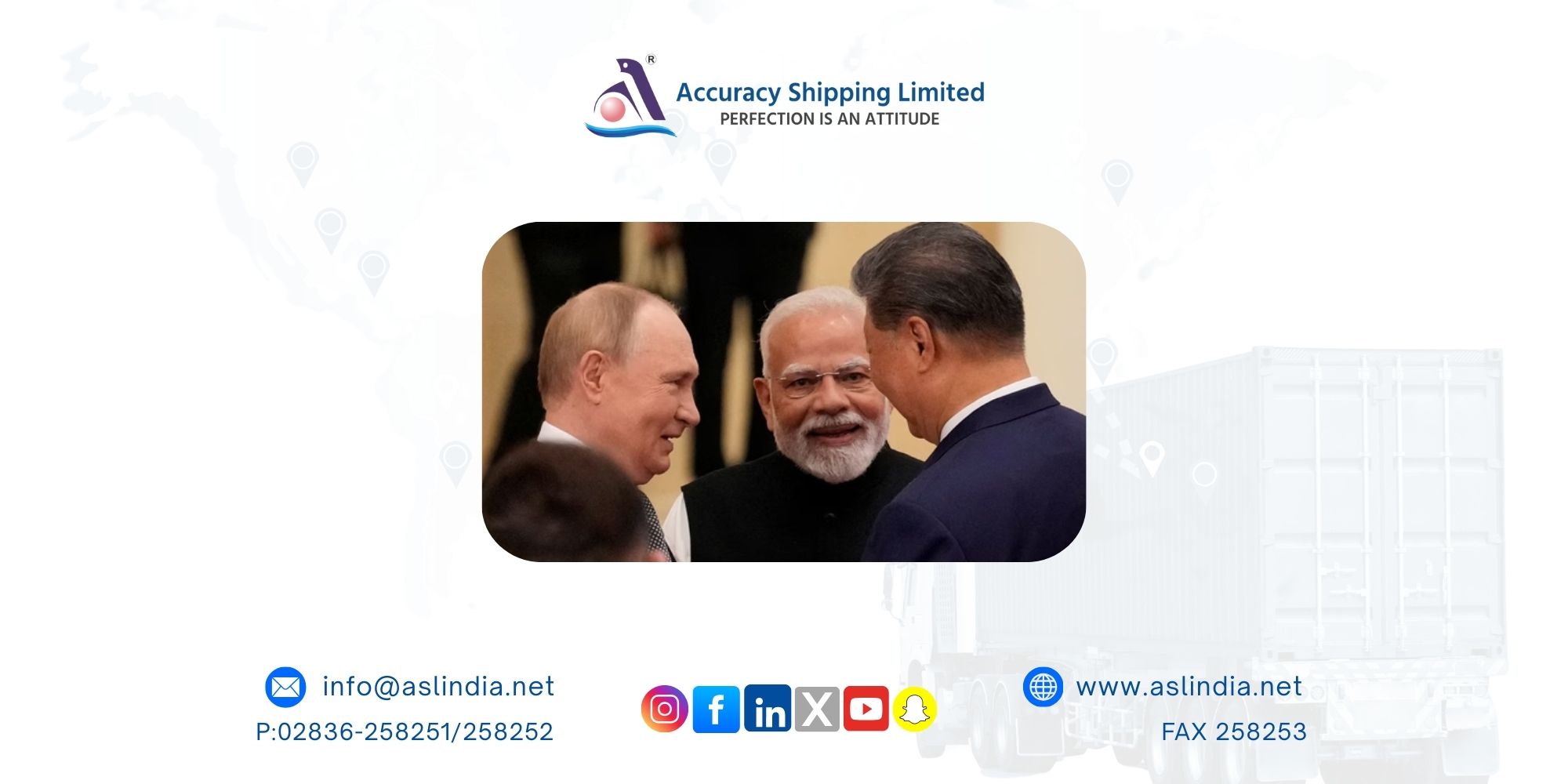
‘Pushed PM Modi closer to China…alternative to US’: John Bolton fires fresh salvo at Donald Trump over 50% tariffs
 28 Jun, 2025
R Praggnanandhaa becomes new India No. 1, D Gukesh second in latest live rankings
 04 Feb, 2026
India to host shooting's Asian Olympic qualifying championship in 2027
 07 Oct, 2025

