



India Says No Permission Needed to Sail Through Strait of Hormuz Amid Ongoing Conflict

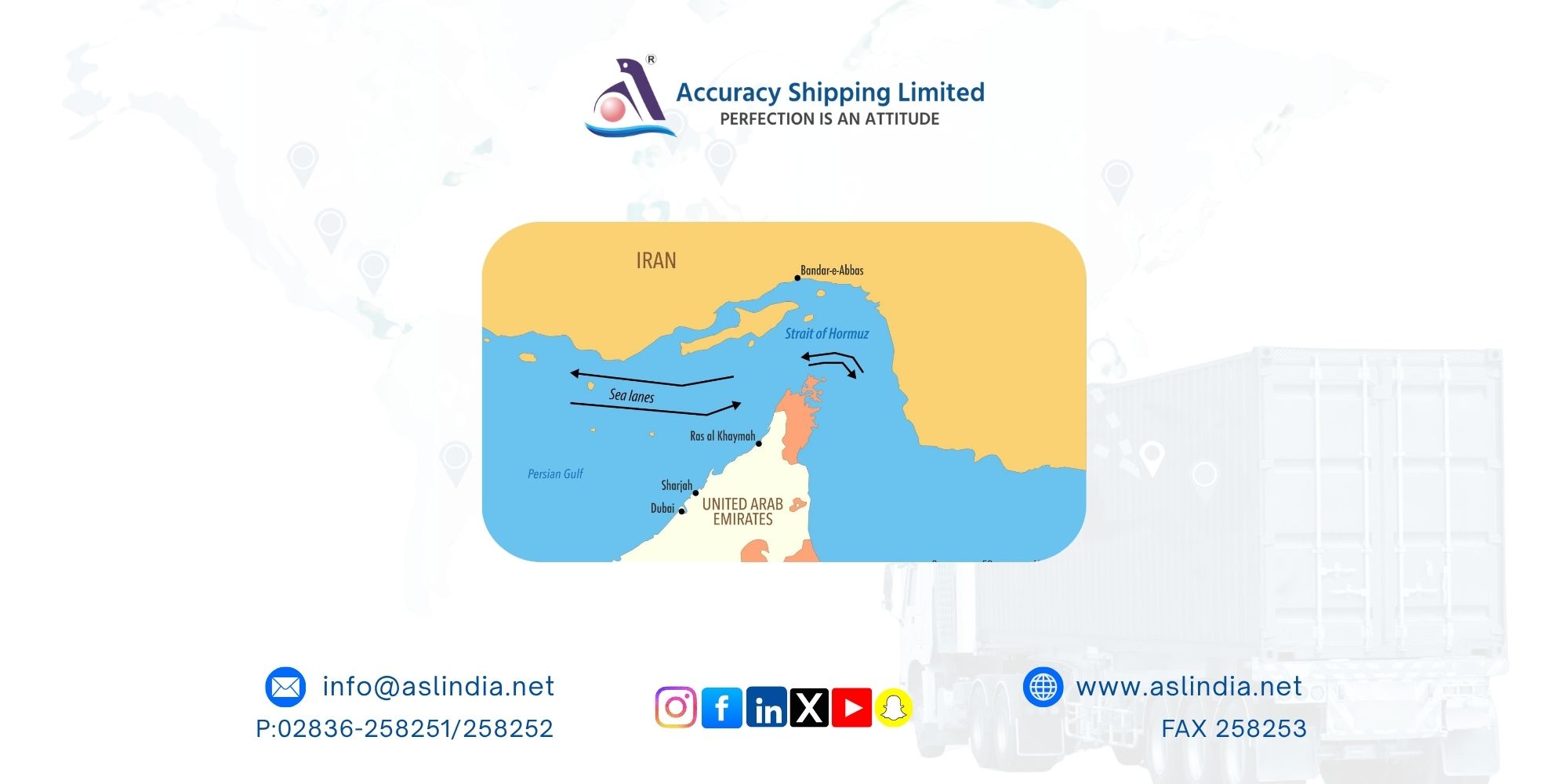
Amid escalating tensions in West Asia, India has clarified that ships do not require permission from any country to transit through the strategically crucial Strait of Hormuz. The announcement comes as global shipping routes face disruptions due to ongoing conflict involving regional and international powers.
Speaking at a media briefing, Rajesh Kumar Sinha, Special Secretary at the Ministry of Ports, Shipping and Waterways, dismissed speculation that Indian vessels stranded in the region required clearance from Iran. He emphasized that navigation through the narrow corridor is governed by international maritime conventions and no country can demand permission for transit.
Sinha also clarified that vessels must follow designated entry and exit lanes, and the final decision to sail lies with shipping companies and charterers based on safety assessments. This reassurance comes at a time when global energy supplies remain sensitive to disruptions in the region. ⚓
Indian Vessels Resume Movement Through Volatile Waters
Despite heightened risks, several Indian ships have cautiously resumed operations. Two Indian-flagged LPG carriers Pine Gas and Jag Vasant successfully crossed the strait carrying a combined 92,612 tonnes of cooking gas.
Pine Gas is headed to New Mangalore
Jag Vasant is en route to Kandla
Earlier, LPG carriers MT Shivalik and MT Nanda Devi reached Indian ports safely. Oil tanker Jag Laadki delivered crude from the UAE to Mundra, while Jag Prakash is currently sailing toward Tanzania after transiting the strait.
These movements signal cautious confidence among shipping operators despite ongoing geopolitical uncertainty. 📦
Dozens of Indian Ships Still Stranded
At the onset of hostilities, 28 Indian-flagged vessels were operating in the region. While some have moved, 22 ships remain stranded, with more than 540 seafarers onboard.
The stranded fleet includes:
LPG carriers
Crude oil tankers
LNG tanker
Container ships
Bulk carriers
Vessels under maintenance
The LNG tanker is chartered by Petronet LNG Ltd, while major crude shipments are managed by Indian Oil Corporation and Reliance Industries.
Why the Strait of Hormuz Matters to India ⚡
The Strait of Hormuz remains one of the world’s most critical energy corridors. India’s dependence on this route is significant:
Nearly 88% of crude oil imports
Around 50% of natural gas imports
About 60% of LPG imports
Before tensions escalated, more than half of India’s crude imports came from Gulf nations such as Saudi Arabia, Iraq, and the United Arab Emirates. While India has diversified sourcing to Russia, the US, and Africa, disruptions in the strait still impact gas and LPG supplies heavily.
Analysts suggest Iran may be allowing selective transit after verification, with some ships diverting near Larak and Qeshm islands to confirm cargo origin and identity.
Global Energy Markets on Edge
With nearly 500 tanker vessels still confined within the Persian Gulf, uncertainty continues to loom over global energy markets. Any prolonged disruption could influence oil prices, shipping insurance premiums, and supply chains worldwide. 📈
India’s firm stance that no permission is needed to sail through the Strait of Hormuz aims to reassure shipping companies while reinforcing adherence to international maritime law. However, the evolving security situation means cautious navigation will remain the norm in the coming weeks.
Our Tag:
Share:

.png)
.png)
.png)
Newsletters
 10 Sep, 2025
Vizhinjam port sets record with 16.95m draft vessel during Onam
 29 Apr, 2025
Indian stock market: 8 key things that changed for market overnight - Gift Nifty, Trump tariffs, IIP data to oil prices
 30 May, 2025
'Captain' Virat Kohli Plots Punjab Kings Opener's Dismissal To Perfection For RCB - Watch
 29 Dec, 2025
India to become world’s third-largest economy by 2027: Amit Shah
 20 Dec, 2025

