



India Partially Lifts Wheat Product Export Ban Amid Surplus

Introduction
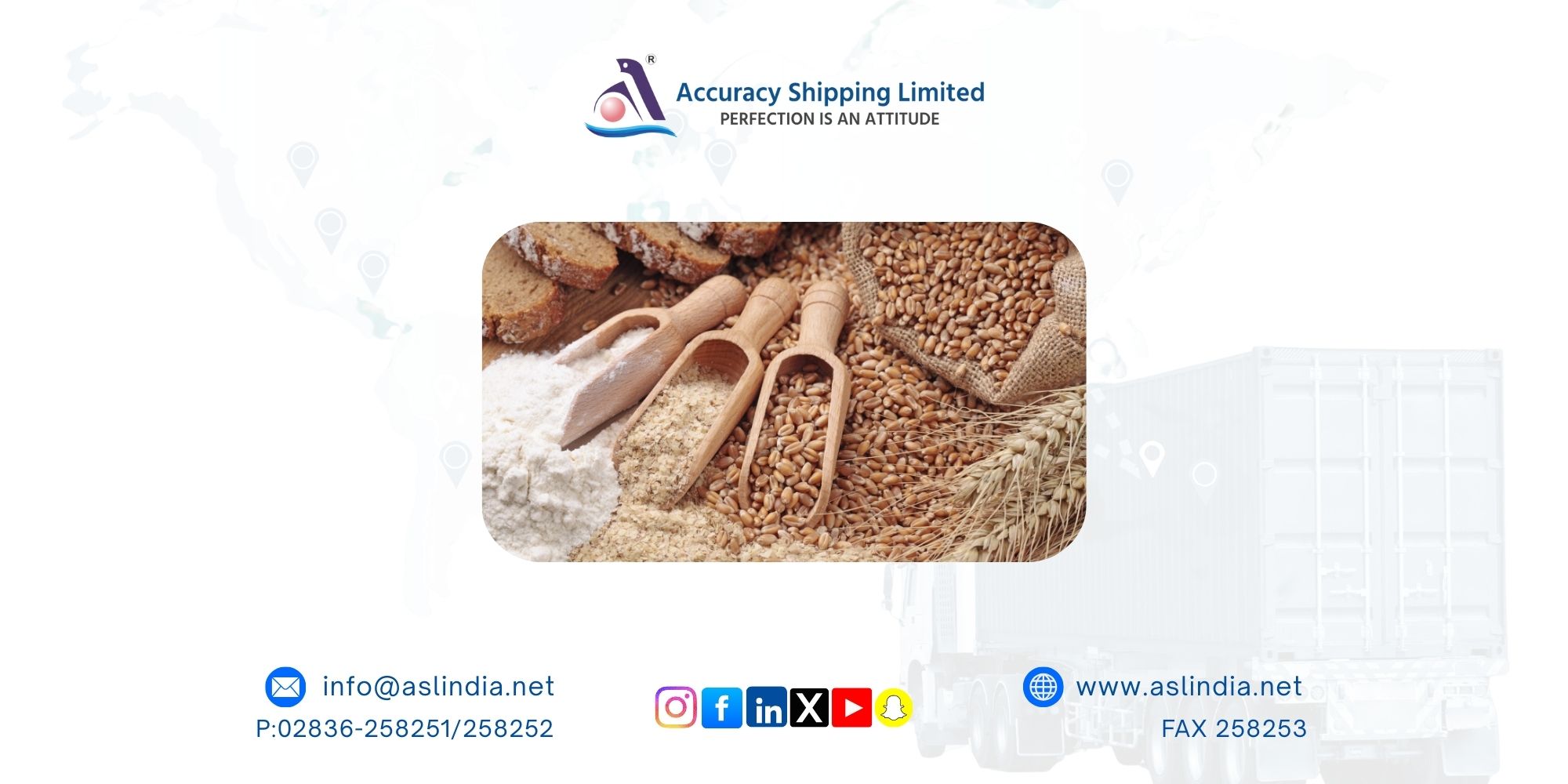
India has taken a cautious yet significant step in its agricultural trade policy by partially lifting the long-standing ban on exports of wheat products. After nearly three years of restrictions aimed at safeguarding domestic food security, the government’s latest move reflects growing confidence in wheat availability and stock levels across the country.
Background of the Wheat Export Ban
In 2022, India imposed a blanket ban on wheat and wheat product exports to protect domestic supplies and control food inflation amid global supply disruptions. Since then, exports of wheat flour, semolina, and other related products were completely prohibited, impacting flour mills and exporters dependent on overseas markets.
What Has Changed Now
According to a notification issued by Directorate General of Foreign Trade (DGFT) on January 16, 2026, India has allowed limited exports of wheat-based products. Under the revised policy, shipments of up to 5 lakh tonnes (500,000 tonnes) of wheat flour and related items such as semolina will be permitted under strict authorisation norms.
Key Conditions and Export Process
Exports beyond the approved 5 lakh-tonne quota will remain prohibited. Exporters must obtain prior licences before shipping any consignment. The DGFT will open monthly application windows, starting from January 21 to January 31, 2026. Similar application periods will be available at the end of each month until the entire quota is allocated, ensuring controlled and transparent distribution.
Why the Government Took This Step
Officials indicate that expectations of a strong wheat harvest and comfortable buffer stocks have driven this decision. As one of the world’s largest wheat producers, India now sees room to cautiously re-enter global markets without compromising domestic availability, food security, or price stability.
Impact on Exporters and Domestic Markets
The partial relaxation is expected to benefit flour mills and exporters who have been eager to tap demand in traditional importing countries. At the same time, strict caps and authorisation requirements aim to prevent any adverse impact on local food prices and ensure adequate supplies for domestic consumption.
Conclusion
India’s decision to partially lift the wheat product export ban marks a balanced approach between supporting global trade and safeguarding national food interests. By allowing limited exports under tight controls, the government is signalling confidence in its agricultural output while maintaining strong safeguards to protect consumers at home.
Our Tag:
Share:

.png)
.png)
.png)
Newsletters

 25 Jul, 2025
Ishan Kishan forced to reject Ajit Agarkar's offer to replace injured Rishabh Pant: 'Selectors reached out but...'
 15 Apr, 2025
Machilipatnam port construction to be completed by 2026: AP Minister
 13 Feb, 2026
India Eyes Zero-Duty Textile Access to US, Easing Pressure from Bangladesh Advantage
 29 May, 2025
Dividend, bonus, rights issue: Bajaj Finance, Infosys, 14 others in focus
 29 Oct, 2025

