



India condemns Pakistani air strikes in Afghanistan, backs Kabul’s sovereignty

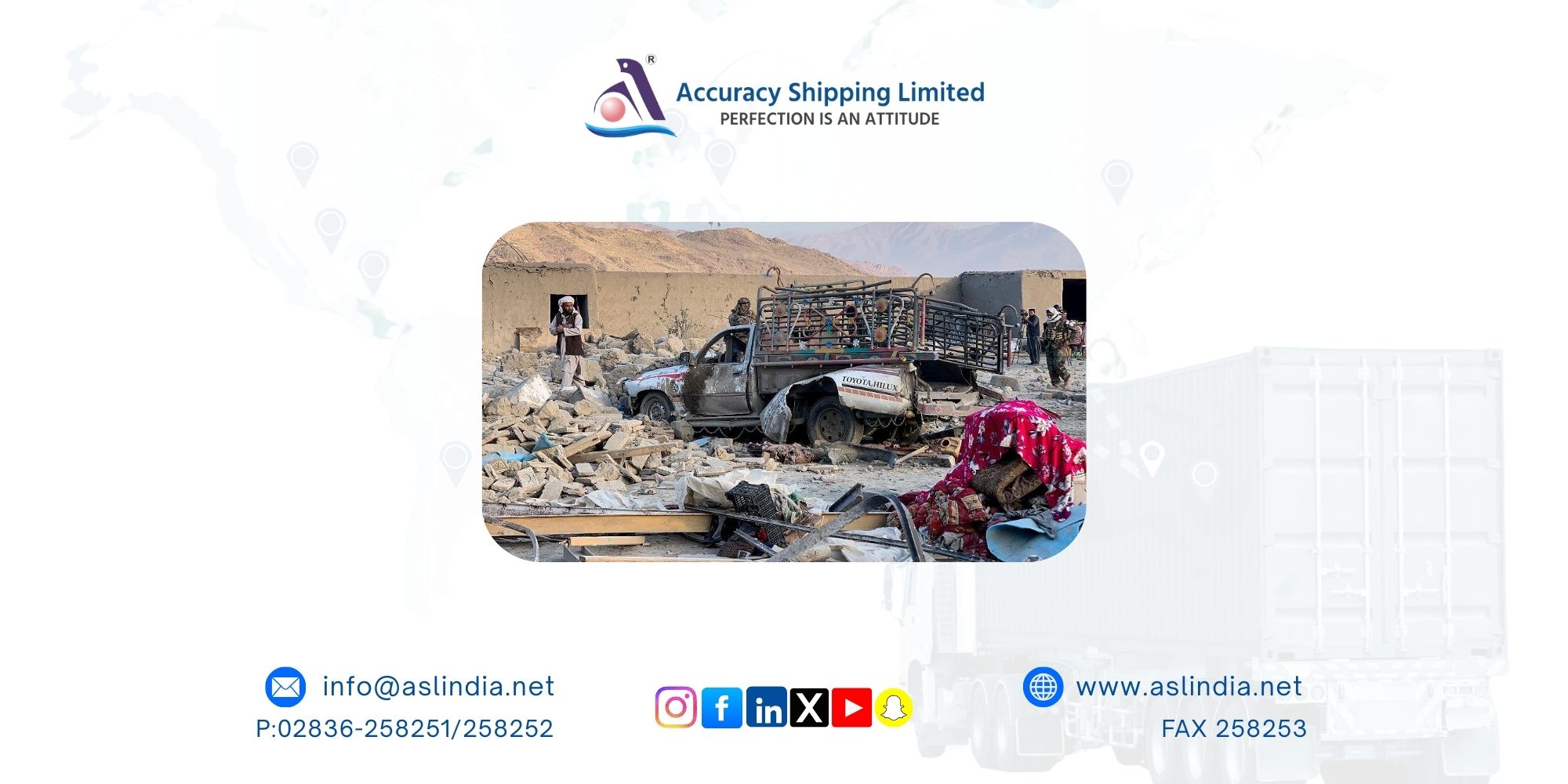
India has strongly condemned Pakistan’s recent air strikes on Afghan territory that reportedly resulted in civilian casualties, including women and children. The incident has intensified regional tensions and raised serious concerns over sovereignty, international law, and the stability of South Asia.
According to Afghan media reports, 18 civilians, including women and children, were killed and five others injured in Nangarhar province. No casualties were reported in Paktika province.
India’s Strong Diplomatic Response
India’s Ministry of External Affairs spokesperson, Randhir Jaiswal, stated that India “strongly condemns” Pakistan’s air strikes on Afghan territory, especially as they resulted in civilian casualties during the holy month of Ramzan.
He described the strikes as “another attempt by Pakistan to externalise its internal failures” and reiterated India’s firm support for Afghanistan’s sovereignty, territorial integrity, and independence.
India’s position reflects its consistent policy of backing Kabul’s autonomy and opposing external interference in Afghan affairs.
Details of the Air Strikes
Pakistan’s military reportedly carried out air raids targeting what it described as “camps and hideouts” of armed groups operating from Afghan soil. These groups were allegedly responsible for recent attacks inside Pakistan, including a suicide bombing at a Shia mosque in Islamabad.
Pakistan’s Information and Broadcasting Ministry claimed that the military conducted “intelligence-based, selective operations” against seven camps linked to Tehreek-e-Taliban Pakistan (TTP) and its affiliates. The operations also targeted elements of Islamic State – Khorasan Province (ISKP), which had claimed responsibility for the Islamabad mosque attack.
The Pakistani ministry further stated it had “conclusive evidence” that recent attacks were orchestrated by fighters acting under the guidance of Afghanistan-based leadership.
Taliban Government’s Reaction
The Taliban regime’s defence ministry strongly condemned the air strikes in Nangarhar and Paktika provinces. It alleged that the attacks hit a religious school and residential homes, calling the strikes a breach of international law and the principles of good neighbourliness.
The ministry warned of an “appropriate and measured response,” signaling potential escalation if tensions are not diplomatically managed.
Impact on Regional Stability
The strikes have threatened a fragile ceasefire between Afghanistan and Pakistan. This ceasefire was negotiated after deadly border clashes last October that resulted in dozens of military and civilian casualties.
The renewed hostilities risk destabilizing the already sensitive Afghanistan–Pakistan border region, which has long been affected by militant activity, cross-border tensions, and diplomatic mistrust.
India’s condemnation adds another dimension to the regional dynamics, reinforcing its strategic interest in a stable and sovereign Afghanistan. New Delhi has consistently emphasized non-interference and peaceful resolution of conflicts in the region.
Civilian Casualties Raise International Concern
The reported deaths of 18 civilians in Nangarhar province have drawn particular concern. Civilian casualties during military operations remain one of the most sensitive issues under international humanitarian law.
With no casualties reported in Paktika province, attention remains focused on the humanitarian impact in Nangarhar and the broader implications for regional peace.
Conclusion
The recent air strikes have significantly strained relations between Afghanistan and Pakistan and introduced new diplomatic tensions in South Asia. India’s strong condemnation and its reaffirmation of support for Afghanistan’s sovereignty underline the seriousness of the situation.
As both Kabul and Islamabad assess their next steps, the international community will closely watch whether dialogue prevails over escalation, especially at a time when regional stability remains fragile.
Our Tag:
Share:

.png)
.png)
.png)
Newsletters

 02 May, 2025
USD/INR tumbles amid possible equity inflows, traders await US NFP data
 31 Dec, 2025
India emerges as key solar module supplier to US amid global supply chain shift
 31 May, 2025
World No Tobacco Day 2025: 6 integrative tools to break free from tobacco addiction
 03 Jun, 2025
Rahul Gandhi to launch MP Cong revival campaign; second phase of Ram Mandir consecration
 15 Dec, 2025

