



Hapag-Lloyd Moves 13.5M TEU as Shipping Rates Ease 8%

Introduction
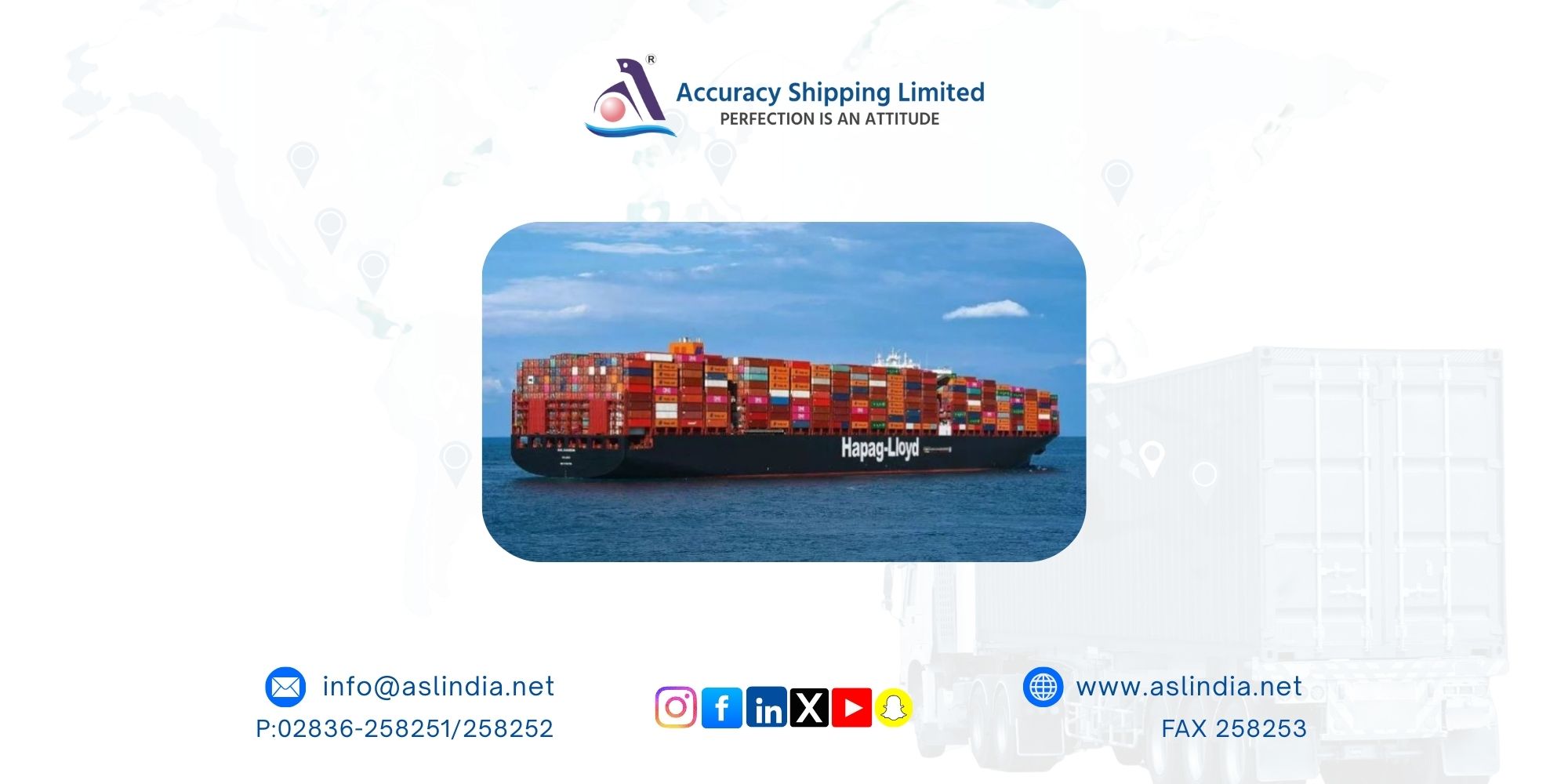
German container shipping major Hapag-Lloyd has reported resilient cargo volumes despite a noticeable cooling in global freight markets. The carrier transported 13.5 million TEU during the period, even as average freight rates declined by around 8 percent, reflecting softer demand and a more balanced supply-demand environment across major trade lanes.
Freight Rates Decline Amid Market Normalisation
The decline in freight rates was largely driven by increased vessel capacity entering the market, easing port congestion, and the continued normalization of global supply chains. Additionally, demand from key consumer markets has become more cautious compared to the extraordinary levels seen in recent years. These factors combined have put downward pressure on pricing, impacting overall revenue performance across the liner shipping industry.
Volume Resilience Despite Pricing Pressure
Despite the softer rate environment, Hapag-Lloyd maintained stable transport volumes. The company noted that fleet growth across the industry and smoother operational conditions helped support cargo movement. While pricing pressure weighed on revenues, volume stability highlighted the carrier’s strong market positioning and customer base across major global routes.
Focus on Cost Discipline and Network Optimisation
To navigate the more competitive and normalized market conditions, Hapag-Lloyd continues to focus on cost discipline and network optimisation. Long-term customer contracts remain a key strategy to reduce exposure to short-term rate volatility. At the same time, the company is prioritising schedule reliability and service quality as competition among global carriers intensifies.
Geopolitical Risks and Regulatory Challenges
Hapag-Lloyd also emphasized that geopolitical risks and evolving regulatory requirements remain critical variables for the container shipping market. While near-term freight rates are under pressure, uncertainties linked to global trade tensions, regional conflicts, and environmental regulations could influence future capacity deployment and operating costs.
Investment in Fleet Modernisation and Decarbonisation
Looking ahead, the carrier is continuing investments in fleet modernisation and decarbonisation initiatives. The deployment of more fuel-efficient vessels forms a central part of its long-term strategy, aimed at reducing emissions while improving operational efficiency and compliance with global environmental standards.
Industry Outlook
Industry analysts view these results as further evidence of the shift away from the exceptional freight rate environment of recent years toward a more normalized market. In this new phase, maintaining volume stability, controlling costs, and delivering reliable service are becoming increasingly critical for liner shipping profitability.
Conclusion
Hapag-Lloyd’s performance underscores the evolving dynamics of the global container shipping market. While freight rates face downward pressure, operational resilience, strategic cost management, and long-term investments are positioning the carrier to remain competitive as the industry adapts to more stable but challenging market conditions.
Our Tag:
Share:

.png)
.png)
.png)
Newsletters

 04 Jun, 2025
Pharmacists Urged to Incorporate Emerging Cholesterol Therapies and Lifestyle Counseling into Patient Care
 14 Apr, 2025
Panama canal and US sign joint declaration on security and warship toll compensation
 20 Nov, 2025
Nitish Kumar to take oath as Bihar CM at Gandhi Maidan today; Modi, Shah to attend: 10 points
 24 May, 2025
Google AI Mode Reporting Coming To Search Console
 23 Feb, 2026

