



Goa’s Logistics Sector Reacts with Cautious Optimism to Maritime Push in Union Budget

Introduction
Goa’s logistics and shipping community has responded with cautious optimism to the maritime-focused announcements in the latest Union Budget presented by Nirmala Sitharaman. While the Budget signals a clear intent to strengthen water-based transport, industry leaders believe that careful policy design and effective execution will be critical for these measures to deliver real impact on the ground.
Strong Focus on Water Transport and Connectivity
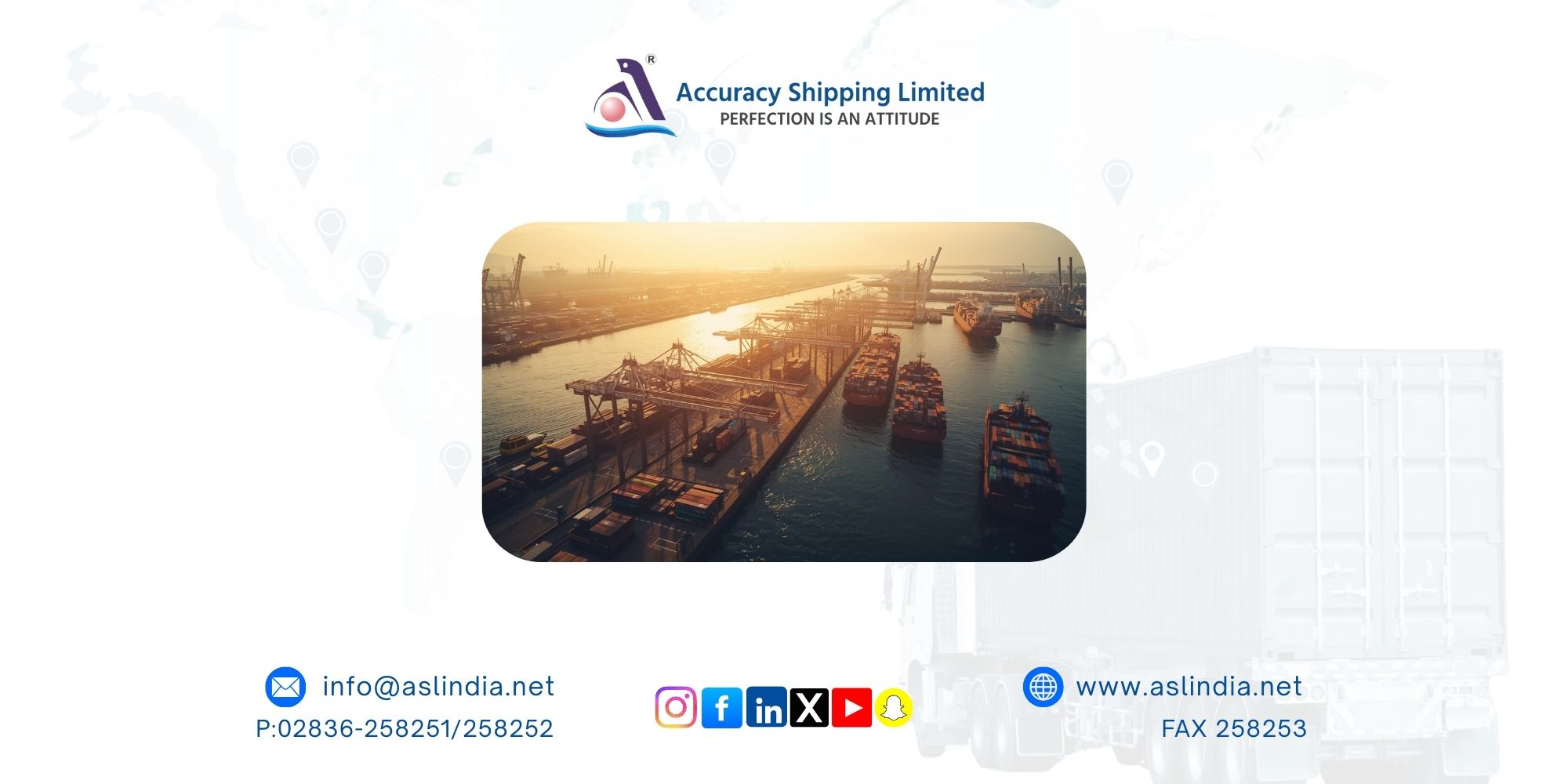
The Union Budget places significant emphasis on transport by water, covering inland waterways, seaplane connectivity, ship-repair hubs, and last-mile logistics. One of the key announcements is the Coastal Cargo Promotion Scheme, which aims to encourage a modal shift from road and rail to water transport. The government has set an ambitious target to double the share of inland waterways and coastal shipping from 6 per cent to 12 per cent by 2047.
Industry stakeholders view this as a positive signal for sustainable and cost-efficient logistics. Anthony Gaskel, Director at Sentrans Shipping Pvt Ltd, noted that the focus on inland waterways and coastal shipping reflects the growing importance the government is placing on water-based transport. He added that industry bodies would closely study the proposals and gather feedback from members before arriving at a final assessment.
Concerns Over Scope and Coverage
Despite the optimism, concerns remain regarding the limited scope of the proposed incentives. Tamal Roy, Group President at JM Baxi Group, pointed out that the current incentives apply only to select inland waterway routes and do not extend to direct coastal shipping routes. Describing the measures as “baby steps,” he emphasized that the scheme would be far more effective if it included direct coastal connectivity between Indian ports.
Roy also highlighted the need for dedicated coastal berths at Goa or Mormugao Port, similar to those available at other west coast ports. Dedicated coastal berths, he explained, reduce customs intervention and paperwork, which is essential for improving operational efficiency and turnaround times.
Opportunities for Multimodal Growth
Industry players believe that sustained investment in logistics infrastructure and inland waterways could significantly improve multimodal connectivity in Goa. Enhanced water-based transport has the potential to ease cargo movement, reduce logistics costs, and promote environmentally sustainable transport long-standing goals of the state’s logistics sector.
States with coastal access, ports, and inland waterways, including Goa, are expected to benefit from increased industrial activity. Barge operators, in particular, could see new opportunities as cargo gradually shifts towards water-based modes.
Lessons from Past Initiatives
At the same time, industry leaders have urged caution based on past experience. Roy noted that earlier initiatives, such as the coastal cargo reimbursement scheme, failed to gain traction. This underscores the importance of evaluating the broader policy ecosystem, ensuring alignment between incentives, infrastructure, and operational realities to make new schemes effective.
Conclusion
Overall, Goa’s logistics sector views the maritime push in the Union Budget as a promising step toward strengthening water-based transport. However, stakeholders agree that broader coverage, dedicated infrastructure, and consistent implementation will be key to turning policy intent into measurable outcomes. With the right adjustments, the Budget’s maritime focus could play a meaningful role in reshaping Goa’s logistics landscape over the coming decades.
Our Tag:
Share:

.png)
.png)
.png)
Newsletters

 11 Dec, 2025
Big tech bets big on AI - but can India keep pace in the global race?
 12 Aug, 2025
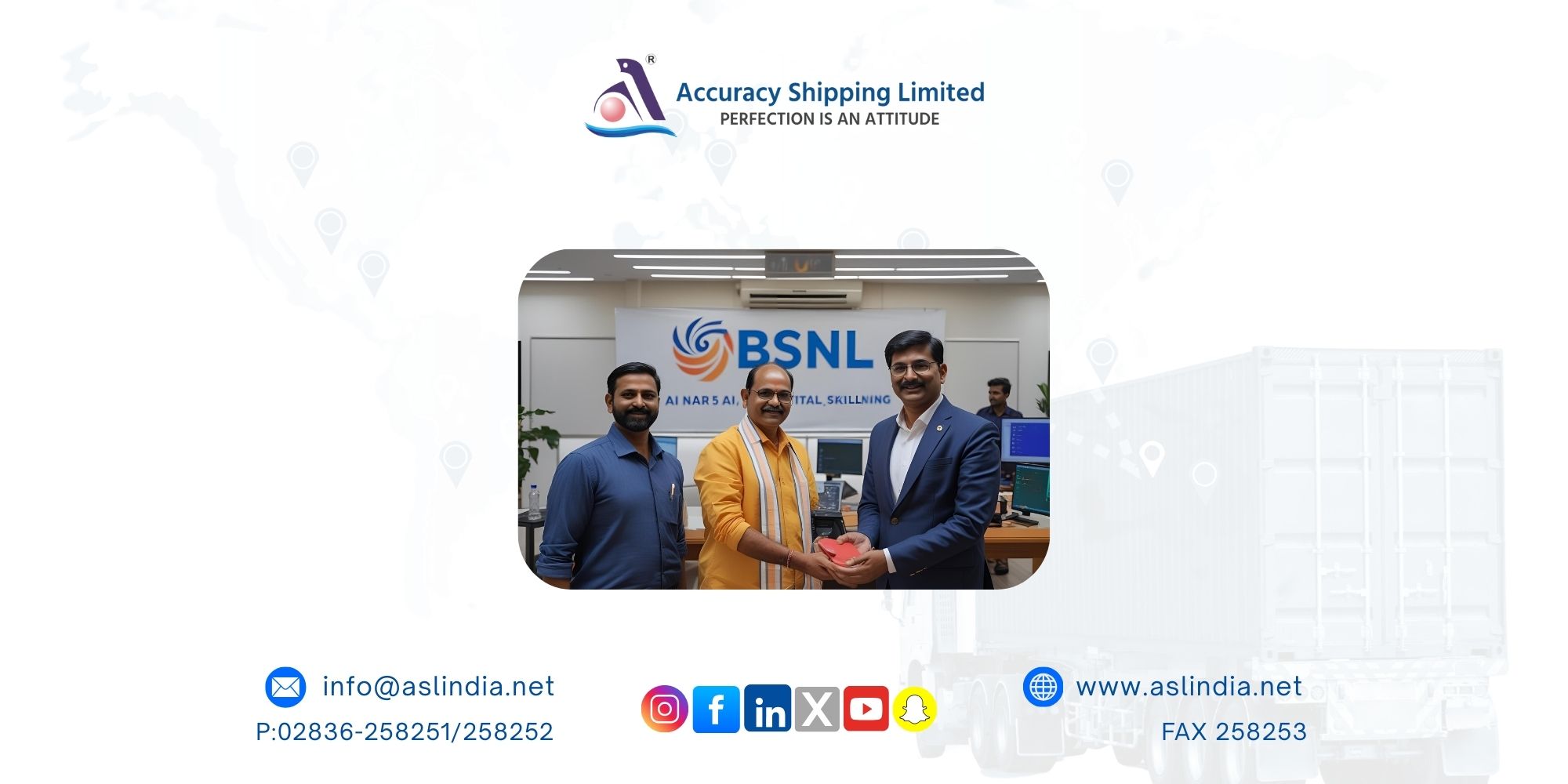
BSNL joins hands with global tech firms for 5G, AI, and digital skilling
 28 Apr, 2025
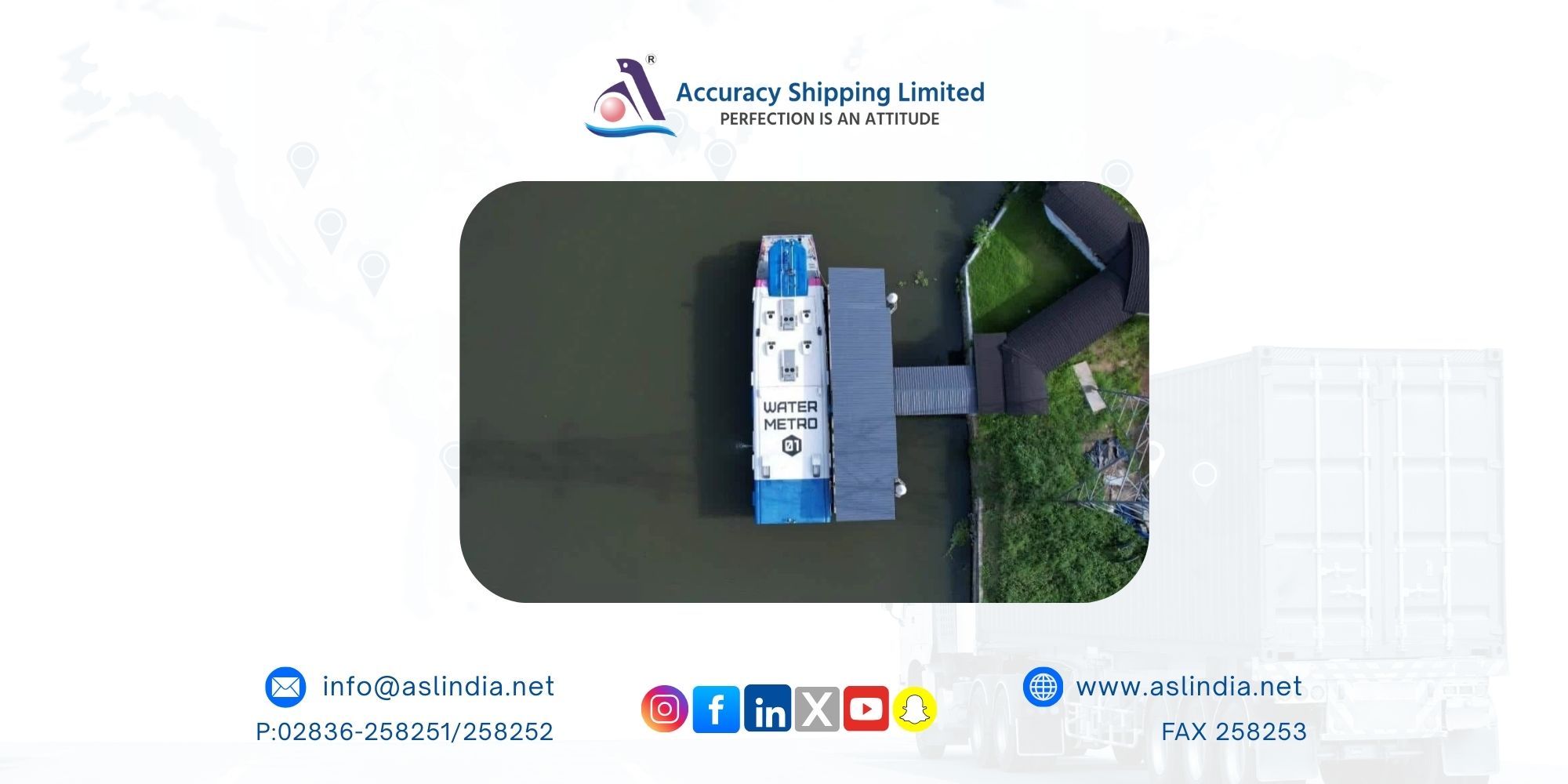
Mumbai’s first water transportation system will be guided by Kochi Water Metro
 11 Oct, 2025
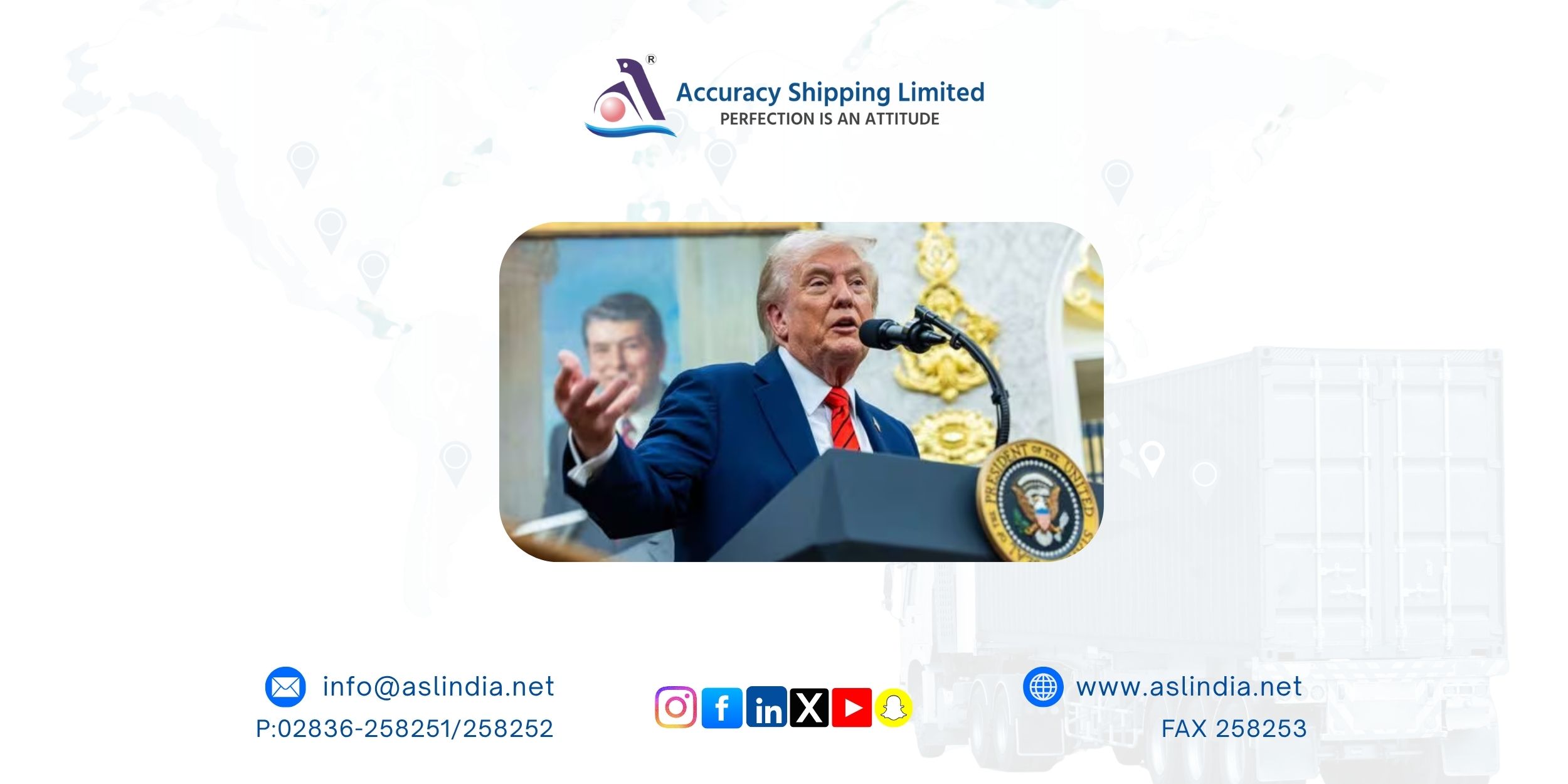
Trump says Nobel peace winner Machado ‘personally called’ jokes, 'I didn’t say give it to ME'
 11 Feb, 2026

