



Congress questions Centre over U.S. ‘blackmail’ after 30-day waiver on Russian oil purchase

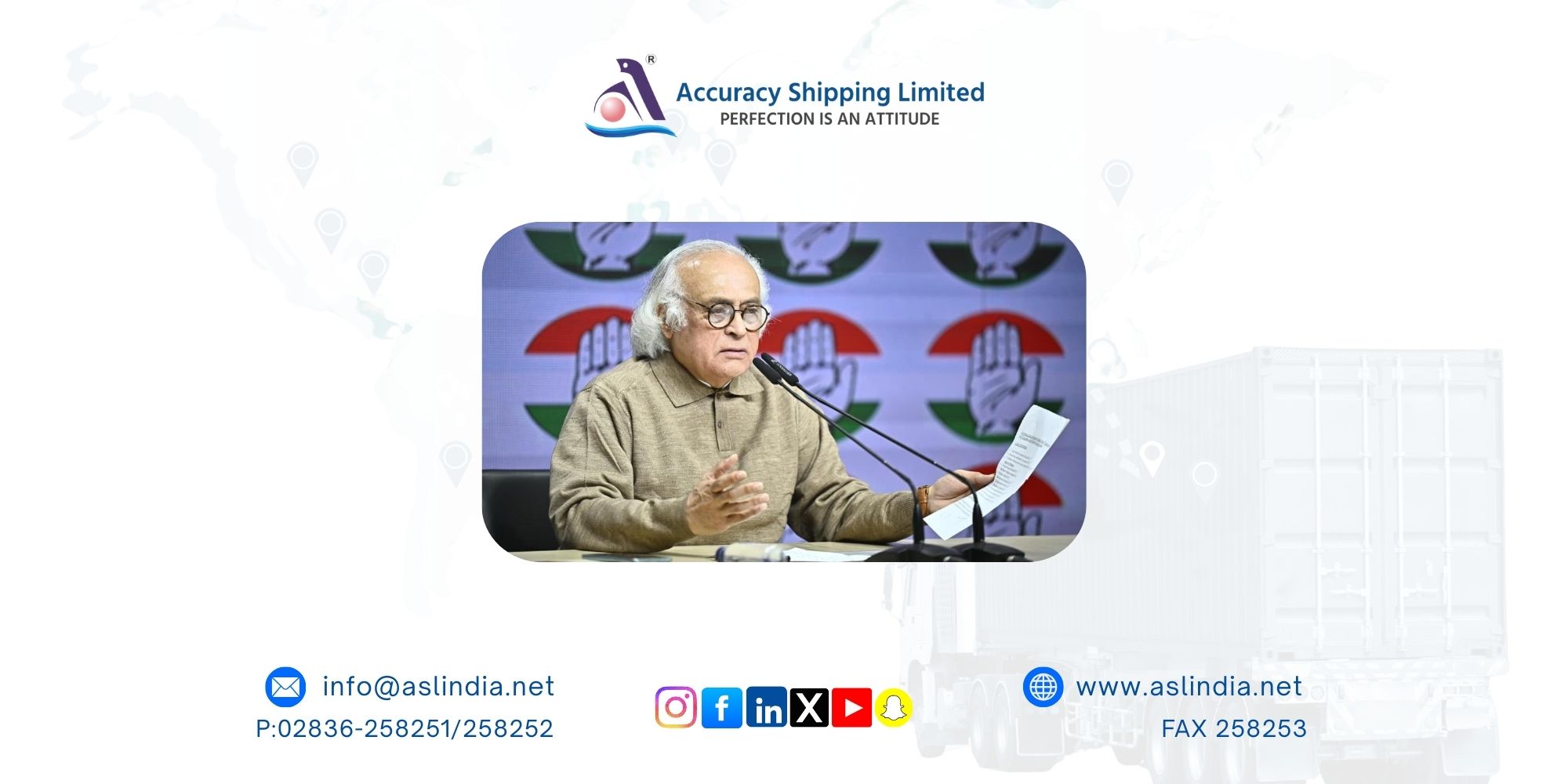
The political debate over India’s energy policy intensified on March 6, 2026, after the United States announced a temporary 30-day waiver allowing Indian refiners to purchase Russian oil. The move came amid rising geopolitical tensions in West Asia, particularly the escalating conflict with Iran, which has created concerns about disruptions in global energy supply.
India’s opposition party, the Indian National Congress, strongly criticised the development, accusing the central government of succumbing to pressure from Washington. The controversy has once again highlighted the delicate balance India must maintain between its energy security, diplomatic relations, and global political pressures.
U.S. Announces Temporary Waiver on Russian Oil
The United States government said it would allow Indian refiners a short-term exemption to continue purchasing Russian oil for a limited period.
According to U.S. Treasury Secretary Scott Bessent, the waiver is designed to prevent disruption in the global oil market while broader geopolitical tensions continue.
“President Trump's energy agenda has resulted in oil and gas production reaching the highest levels ever recorded. To enable oil to keep flowing into the global market, the Treasury Department is issuing a temporary 30-day waiver to allow Indian refiners to purchase Russian oil,” Bessent said.
However, he clarified that the waiver is a deliberately short-term measure. The exemption only covers oil that is already stranded at sea, meaning it is unlikely to generate major financial gains for Russia.
The decision comes as tensions escalate with Iran, which Washington claims is attempting to disrupt global energy markets. The temporary relaxation aims to keep global oil supplies stable during the crisis.
Congress Slams Government Over “American Blackmail”
The announcement triggered a sharp reaction from the opposition. Senior Congress leader Jairam Ramesh criticised the government in a rhyming post in Hindi on X.
He wrote:
“Trump ka naya khel, Dilli dost ko kaha,
Putin se le sakte ho tel,
kab tak chalega ye Ameriki blackmail.”
Translated roughly, the message suggests that U.S. President Donald Trump is dictating terms to India, allowing oil purchases from Vladimir Putin only temporarily, and questions how long such “American blackmail” will continue.
The Congress party argued that India's energy policy should remain independent and strategic, rather than influenced by pressure from foreign powers.
India’s Russian Oil Imports Declining
The controversy comes at a time when India’s purchases of Russian crude are already declining.
Recent data shows that India’s oil imports from Russia fell to a 44-month low in January 2026, while imports from Gulf countries have increased. This shift suggests that India has already begun diversifying its energy sources amid geopolitical pressure and evolving global market conditions.
The trend also reflects growing diplomatic and economic negotiations between India and Western countries.
Trade Deal and Tariff Pressure
The issue is closely linked with broader economic negotiations between India and the United States.
Earlier, the Trump administration imposed 25% punitive tariffs on India over its continued purchase of Russian oil, arguing that these imports were indirectly supporting Russia’s war against Ukraine.
However, both countries later reached a framework for an interim trade agreement, after which President Trump issued an Executive Order removing the tariffs. The decision was based on India’s commitment to:
Gradually reduce imports of Russian energy, and
Increase purchases of American oil and energy products.
The 30-day waiver is therefore seen as a temporary compromise while the energy transition takes place.
Balancing Energy Security and Global Politics
India remains one of the world’s largest energy importers, making its oil procurement strategy crucial for both economic stability and diplomatic relations.
While Russian oil offered significant price discounts in recent years, global political pressures and strategic partnerships are now reshaping India’s energy mix.
For the government, the challenge lies in maintaining affordable energy supplies while navigating international alliances. For the opposition, the issue raises questions about India’s strategic autonomy in global politics.
Conclusion
The 30-day waiver allowing Indian refiners to purchase Russian oil has sparked a fresh political confrontation in India. While the U.S. frames the move as a temporary measure to stabilise global oil markets, the Congress party views it as evidence of external pressure on India’s energy policy.
As geopolitical tensions continue and global energy dynamics shift, India’s decisions on oil imports will remain a key issue in both domestic politics and international diplomacy.
Our Tag:
Share:

.png)
.png)
.png)
Newsletters

 13 Jan, 2026
India’s Kohli becomes second-highest run-scorer in international cricket
 29 Sep, 2025
UK govt guarantees ₹17,733 crore loan for Jaguar Land Rover amid cyberattack Here's what we know
 27 May, 2025
India tightens Bangladesh imports as Dhaka moves closer to China
 27 Sep, 2025
India's first reaction to Trump's 100% tariffs on drug imports: ‘Closely monitoring’
 06 May, 2025

