



Chinese New Year 2026: How the Holiday Impacts Global Shipping

Introduction
Chinese New Year (CNY) 2026, falling on 17 February, has once again triggered one of the most disruptive seasonal events for global shipping and supply chains. The impact stretches far beyond a single holiday week, affecting Asian factories, major export ports, international shipping routes, and downstream distribution networks worldwide.
For many shippers, the biggest challenge has not been the holiday itself, but a multi-week window of capacity crunches, port congestion, production slowdowns, and schedule volatility before and after the celebrations.
Factory Slowdowns Before the Holiday
In mainland China, most export-oriented factories began ramping down output from approximately 7–10 February. Many workers left early to travel home, well ahead of the official public holidays.
During this period, buyers rushed to move final orders out of factories, compressing several weeks’ worth of shipments into a shorter time frame. This sudden spike overloaded factory docks, local trucking networks, and container yards.
The result was a bottleneck at origin even before the official start of the Chinese New Year break.
Staggered Restart After CNY
Although some factories began partial restarts around 24–26 February, utilisation in the first week after reopening typically remained between 20–40%.
A more meaningful return to normal production levels is generally expected only by early to mid-March. This staggered restart means that even after the holiday officially ends, order lead times remain extended, and supply chains do not immediately stabilize.
For global buyers, this translates into delayed replenishment cycles and longer planning horizons.
Port Congestion at Major Export Gateways
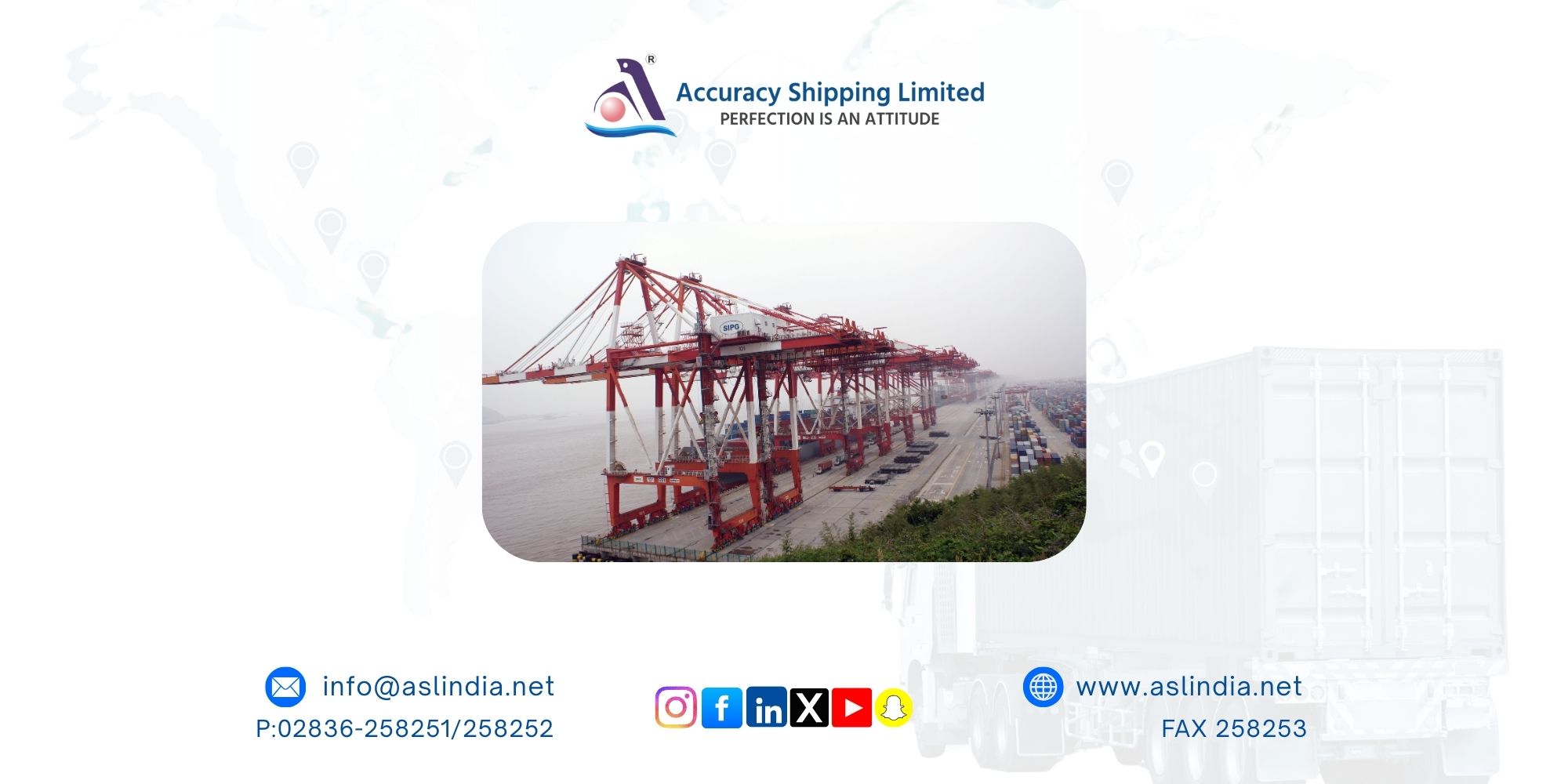
The pre-CNY cargo rush led to heavy congestion at key export hubs including:
Port of Shanghai
Port of Ningbo-Zhoushan
Port of Shenzhen
Port of Nansha
Port of Guangzhou
Terminals tightened gate-in rules and prioritised containers with confirmed bookings. Once vessel allocations were reached, additional containers were rolled to later sailings.
This rolling of cargo increased storage charges, trucking fees, and handling costs for shippers, while also extending overall transit times.
Trucking Shortages and Inland Bottlenecks
Trucking capacity around major ports was squeezed due to seasonal labour shortages. Reports indicated drayage costs rising 200–300% compared to normal levels.
Securing drivers and terminal appointment slots became increasingly difficult. The combination of congested terminals and scarce trucking capacity lengthened door-to-door transit times and reduced schedule reliability across major trade lanes.
Asia–Europe and trans-Pacific services were particularly affected, as volume surges met limited inland support infrastructure.
Carrier Capacity Management and Blank Sailings
Shipping lines actively managed capacity during the CNY cycle.
Before the holiday, carriers added sailings or upsized vessels to capture strong pre-holiday demand. On routes such as Asia–North Europe and Asia–Mediterranean, deployed capacity ahead of the holiday was estimated at 50–60% above baseline levels.
Once factories shut down, carriers announced blank sailings and withdrew capacity to prevent overcapacity and falling freight rates.
This pattern amplified volatility:
Space shortages and premium surcharges before CNY
Equipment shortages and rolled bookings
Reduced sailings and patchy service frequency after CNY
Even when headline freight rates appeared stable, additional surcharges, limited booking options, and extended lead times effectively tightened conditions for cargo owners.
How Supply Chain Teams Are Responding in 2026
To cope with the 2026 CNY disruption window, many supply chain teams implemented proactive strategies:
1. Pulling Orders Forward
Companies increased safety stock levels to cover demand for late February and early March.
2. Early Space Booking
Forwarders and beneficial cargo owners (BCOs) secured vessel slots weeks in advance to avoid last-minute rollovers.
3. Diversifying Carriers and Routes
Shippers reduced risk by spreading cargo across multiple carriers and alternative routings.
4. Real-Time Visibility Tools
Many operators relied on digital tracking platforms to monitor port congestion, inland bottlenecks, and vessel schedule changes.
A Seasonal Campaign, Not Just a Holiday
Industry advisories for 2026 emphasised several recurring tactics:
Lock in bookings well before the final production window
Build flexibility into delivery commitments
Plan for a longer-than-expected recovery period
Align production, ocean freight, and downstream distribution planning
For global operators, Chinese New Year has evolved into more than a single holiday event. It is now a seasonal logistics campaign that must be managed end-to-end.
From factory shutdowns to port congestion, trucking shortages, and capacity withdrawals, CNY 2026 has once again demonstrated how deeply interconnected global supply chains are and how critical proactive planning remains for navigating one of the shipping industry’s most predictable yet disruptive annual cycles.
Our Tag:
Share:

.png)
.png)
.png)
Newsletters

 10 Mar, 2026
DP World Handles Complex Cargo and Logistics for ICC Men’s T20 World Cup 2026
 20 Feb, 2026
DP World Achieves Record Vehicle Discharge at Chile Terminal
 30 Oct, 2025
India’s maritime sector to attract ₹8 trillion investment: Hardeep Singh Puri
 19 May, 2025
Singapore remisiers stay relevant by adding wealth management and other financial services
 26 May, 2025

