



White House drops reference to ‘certain pulses’ in revised fact sheet on trade deal with India

Introduction
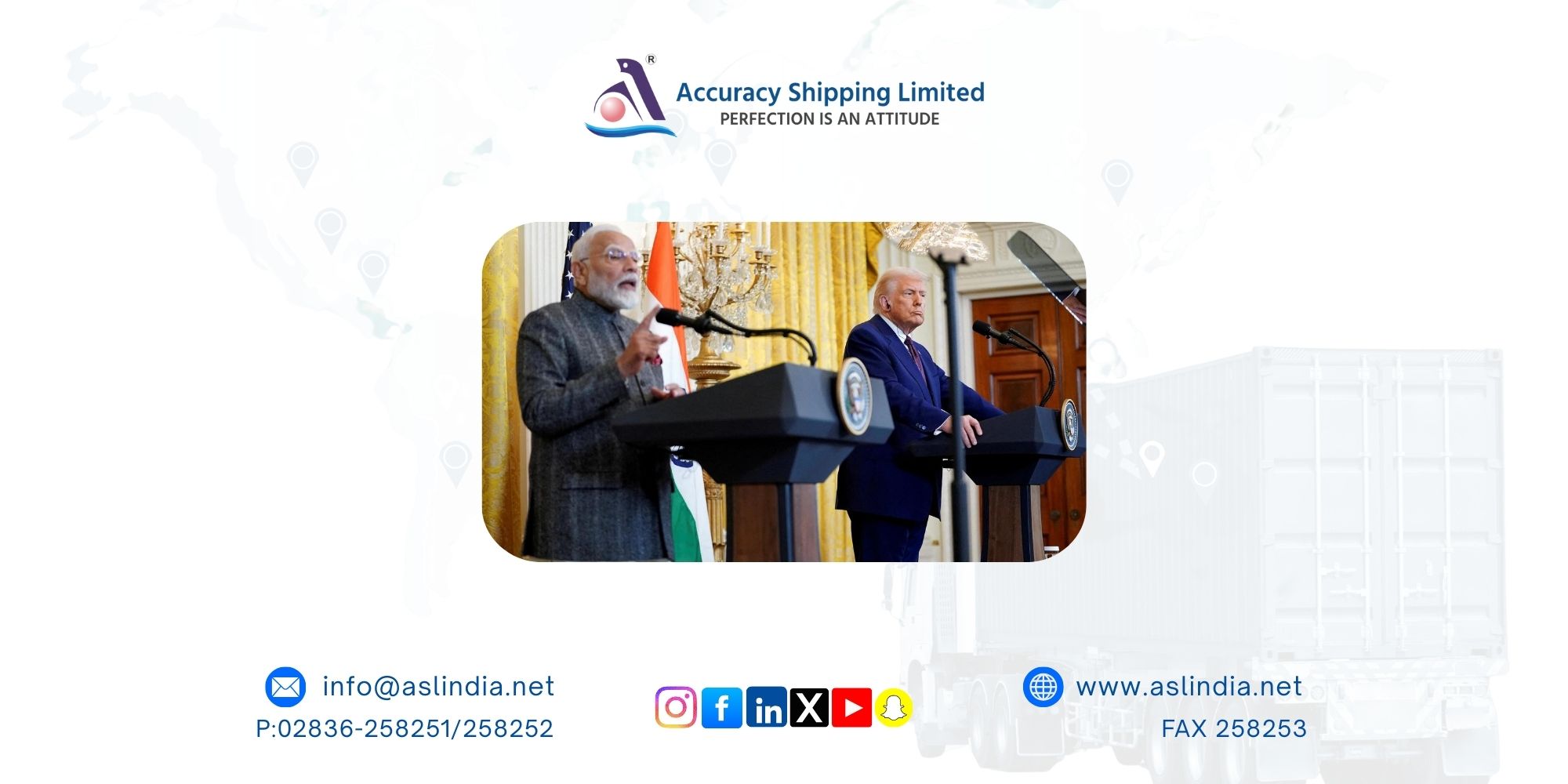
In a notable development surrounding the interim trade agreement between United States and India, the White House has revised its official fact sheet, removing the reference to “certain pulses” from the list of American products eligible for tariff reductions by India.
The updated document, issued on February 10, 2026, also modified the language describing India’s commitments, replacing the word “committed” with “intends,” signaling a subtle yet important diplomatic shift.
Background of the Interim Trade Deal
On February 9, 2026, the White House released a fact sheet titled “The United States and India Announce Historic Trade Deal (Interim Agreement).” This followed a joint statement by both nations outlining the framework for a reciprocal and mutually beneficial Interim Agreement.
The initial fact sheet emphasized that India would eliminate or reduce tariffs on all U.S. industrial goods and a wide range of food and agricultural products. These included:
Dried distillers’ grains (DDGs)
Red sorghum
Tree nuts
Fresh and processed fruits
“Certain pulses”
Soybean oil
Wine and spirits
Additional agricultural products
However, pulses a politically and economically sensitive agricultural commodity in India were later removed from the revised version of the document.
What Changed in the Revised Fact Sheet?
The revised fact sheet issued on February 10, 2026 introduced two key changes:
Removal of “certain pulses” from the list of American agricultural products on which India would eliminate or reduce tariffs.
Replacement of the word “committed” with “intends” while referring to India’s planned purchases and trade actions.
The updated statement now reads:
“India will eliminate or reduce tariffs on all U.S. industrial goods and a wide range of U.S. food and agricultural products, including dried distillers’ grains (DDGs), red sorghum, tree nuts, fresh and processed fruit, soybean oil, wine and spirits, and additional products.”
Additionally, it states:
“India intends to buy more American products and purchase over $500 billion of U.S. energy, information and communication technology, coal, and other products.”
This softer phrasing suggests flexibility rather than a binding obligation.
Comparison with the Joint Statement
Importantly, the joint statement issued earlier by the U.S. and India did not mention “pulses” among the items subject to tariff elimination or reduction.
The joint statement also specified that:
“India intends to purchase $500 billion of U.S. energy products, aircraft and aircraft parts, precious metals, technology products, and coking coal over the next five years.”
Notably, the wording “intends” was already used in the joint statement, indicating that the revised fact sheet now aligns more closely with the original diplomatic language agreed upon by both countries.
Why the Removal of Pulses Matters
Pulses hold significant importance in India’s agricultural economy and food security framework. As one of the world’s largest producers and consumers of pulses, India carefully manages imports to protect domestic farmers and maintain price stability.
The initial mention of “certain pulses” may have raised concerns among agricultural stakeholders in India. By removing the reference, the revised fact sheet avoids potential domestic sensitivities and aligns the document more closely with previously agreed language.
Economic and Strategic Implications
The broader trade deal remains substantial despite the revisions. Key aspects include:
Tariff reductions on U.S. industrial goods
Expanded access for American agricultural products
India’s intended purchase of over $500 billion worth of U.S. energy and other goods
Strengthened bilateral trade cooperation amid a shifting global economic landscape
The interim agreement reflects a strategic deepening of economic ties between the United States and India, particularly in sectors such as energy, technology, aviation, and industrial goods.
Conclusion
The removal of “certain pulses” and the shift from “committed” to “intends” in the February 10, 2026 revised fact sheet highlight the nuanced nature of international trade diplomacy.
While the core framework of the interim trade agreement between the United States and India remains intact, the revisions underscore the importance of precise language and sensitivity to domestic economic priorities.
As both nations work toward finalizing a broader Bilateral Trade Agreement (BTA), these adjustments reflect careful calibration in balancing economic ambition with political and agricultural realities.
Our Tag:
Share:

.png)
.png)
.png)
Newsletters

 13 Nov, 2025
Scared Sri Lankan players ordered to stay in Pakistan post Islamabad blast; Mohsin Naqvi says ‘solidarity shines bright’
 28 Jul, 2025
World Nature Conservation Day 2025: This One Lifestyle Habit Could Help You Save The Earth
 18 Oct, 2025
India Maritime Week 2025 in Mumbai to showcase ₹10 lakh crore investment opportunities
 20 Nov, 2025
Nitish Kumar to take oath as Bihar CM at Gandhi Maidan today; Modi, Shah to attend: 10 points
 04 Sep, 2025

