



Trump eyes early Iran war exit, reopening Strait of Hormuz may not be a priority

Introduction
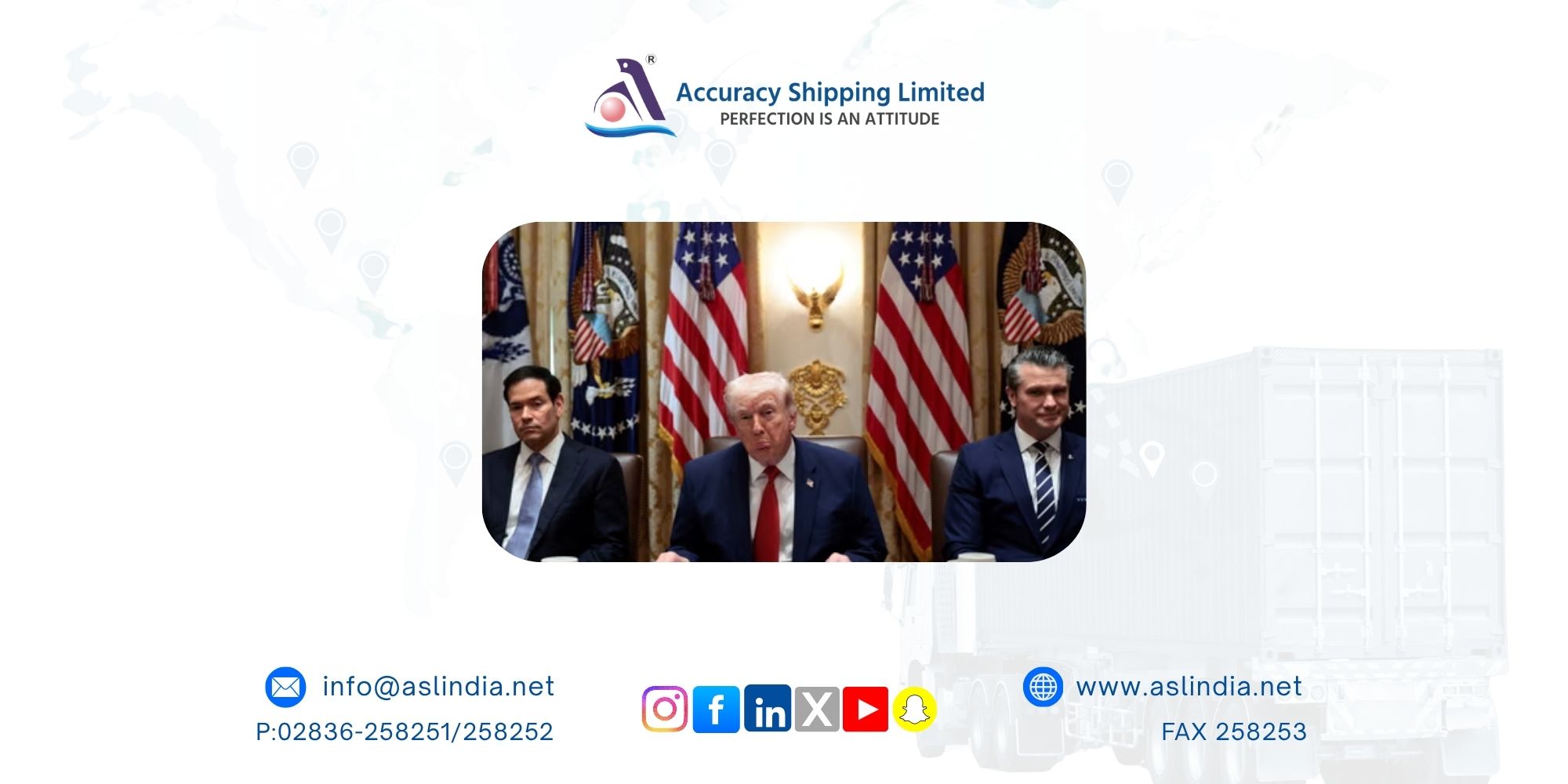
Five weeks into the escalating conflict between the United States and Iran, Donald Trump is reportedly signaling a willingness to end military operations earlier than expected even if the critical Strait of Hormuz remains largely closed. This evolving stance reflects a shift in priorities, focusing more on strategic military outcomes than immediate restoration of global oil trade routes.
A Complex and Costly Reopening
According to reports cited by The Wall Street Journal, reopening the Strait of Hormuz would be a highly complex operation. Officials believe that attempting to secure the waterway could extend the conflict well beyond Trump’s intended four- to six-week timeline.
The narrow chokepoint, responsible for a significant portion of global oil shipments, has become a focal point of geopolitical tension. However, U.S. leadership now appears cautious about committing to a prolonged military effort solely to reopen it.
Operation Epic Fury and Strategic Shift
The U.S. military campaign, dubbed Operation Epic Fury, was initially expected to deliver decisive outcomes within a short timeframe. Now, Trump’s strategy appears to be pivoting toward what his administration calls “core objectives.”
These include:
Weakening Iran’s naval capabilities
Reducing missile stockpiles
Applying diplomatic pressure to restore trade routes
Rather than prioritizing immediate control of the Strait, the administration is considering leaving the task of reopening it to international allies if necessary.
Military Build-Up Raises Questions
Despite the push for a quicker exit, the U.S. has significantly increased its military presence in the region. The deployment of the USS Tripoli along with over 2,500 Marines highlights the seriousness of the operation.
Additionally, Trump is reportedly evaluating the deployment of another 10,000 ground troops and even a high-risk mission targeting Iran’s uranium assets. This apparent contradiction between scaling down objectives and expanding military presence has raised questions about the administration’s long-term strategy.
Not a “Core Objective”
At a recent White House briefing, Press Secretary Karoline Leavitt clarified that ensuring safe passage through the Strait of Hormuz is not among the administration’s primary goals.
Meanwhile, Secretary of State Marco Rubio expressed confidence that the waterway would eventually reopen either through Iran complying with international law or through coordinated global intervention.
Iran’s Continued Pressure on Shipping
Despite suffering significant military losses, including naval damage and sustained bombardment, Iran continues to exert pressure on commercial shipping in the region. The partial blockade has already disrupted oil flows and driven global crude prices higher.
Interestingly, Iran has allowed limited passage to vessels from allied nations, including India, suggesting a calculated approach rather than a total shutdown.
Trump’s Changing Position
Throughout the conflict, Trump’s stance on the Strait of Hormuz has been inconsistent. At times, he has threatened aggressive action, including strikes on Iran’s oil infrastructure if the route is not reopened immediately. At other moments, he has downplayed its importance, framing it as a global issue rather than a U.S.-centric responsibility.
This fluctuation underscores the broader uncertainty surrounding U.S. policy in the region.
Conclusion
The evolving U.S. approach to the Iran conflict signals a strategic recalibration. By deprioritizing the immediate reopening of the Strait of Hormuz, Trump appears focused on achieving targeted military objectives within a limited timeframe.
However, this decision carries significant global implications. With one of the world’s most critical oil routes still under threat, energy markets remain volatile, and the responsibility for securing international trade may soon shift to a broader coalition of nations.
As the conflict progresses, the balance between military strategy, economic stability, and diplomatic resolution will determine the long-term impact on global geopolitics and trade.
Our Tag:
Share:

.png)
.png)
.png)
Newsletters

 10 Jan, 2026
Vodafone Idea unveils repayment schedule for AGR dues after DoT lifeline
 26 Jun, 2025
Hyster launches new electric empty container handler
 12 Feb, 2026
Nifty 50, Sensex today: What to expect from Indian stock market in trade on February 12
 29 Jan, 2026
India’s First Shipbuilding SPV Formed at Tuticorin
 12 Aug, 2025

