



Syama Prasad Mookerjee Port Plans New Container and Coal Berths to Decongest Kolkata, Boost Capacity

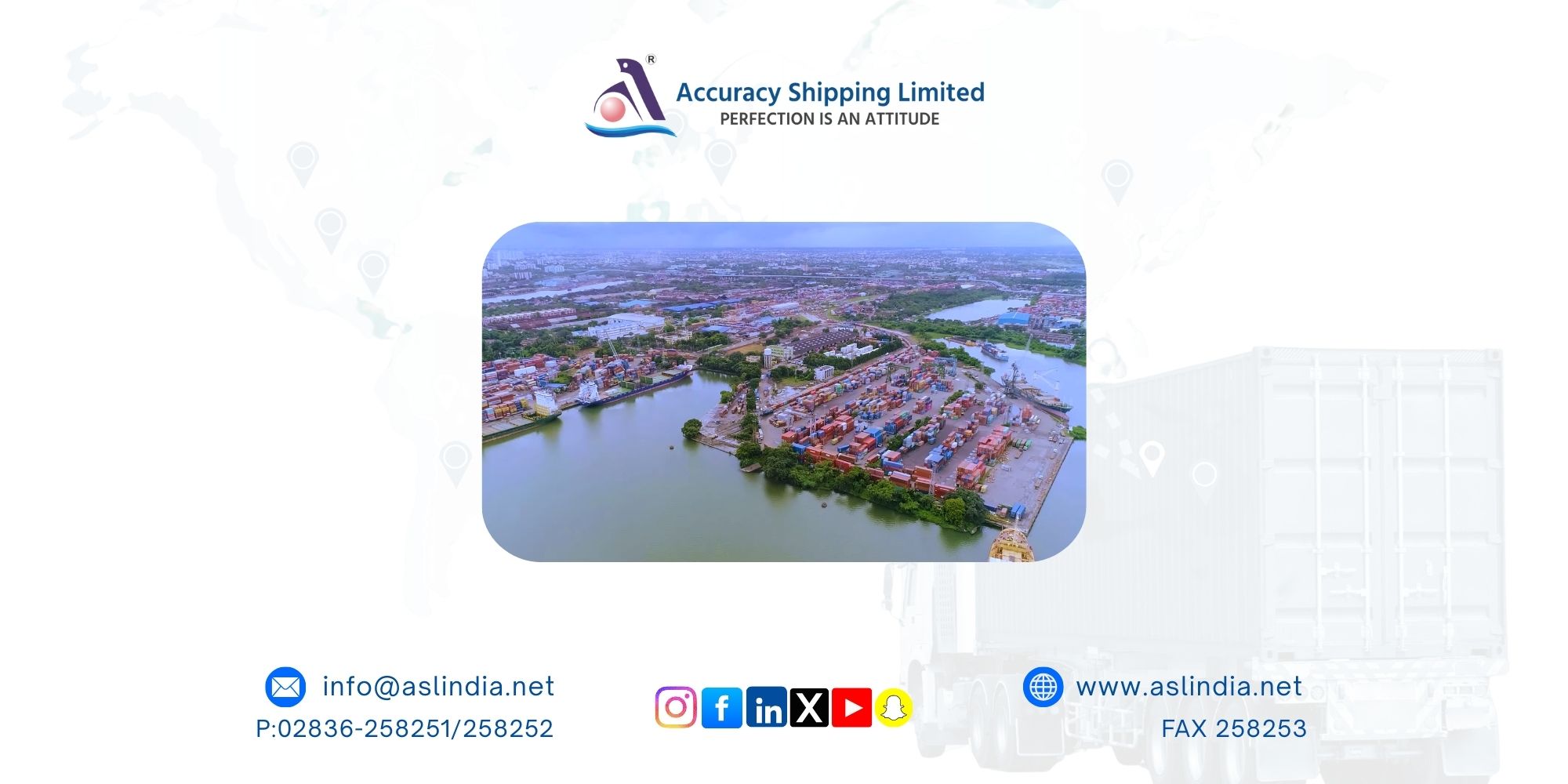
The Syama Prasad Mookerjee Port (SMPK) is gearing up for a major infrastructure push with plans to develop new container and coal berths. The initiative is part of a broader strategy to decongest Kolkata city traffic, expand cargo handling capacity, and strengthen the port’s position along India’s eastern seaboard.
Backed by central government approvals for berth reconstruction, mechanisation, and barge-based terminals, the port aims to shift a larger share of cargo away from inner-city road corridors and onto more efficient multimodal systems.
Strategic Expansion to Ease City Congestion
Kolkata’s inner-city road network has long faced pressure from heavy truck movement linked to port operations. By developing new berths and promoting water-based cargo movement, SMPK plans to significantly reduce truck congestion in the city core.
The strategy includes:
Reconstruction and mechanisation of key berths
Development of barge-based terminals
Increased use of waterways for container and bulk cargo
These measures are designed to streamline cargo evacuation, enhance safety, and improve overall logistics efficiency.
New Container Berth to Handle Growing Box Volumes
The planned container berth will cater to increasing container traffic currently routed through the Kolkata Dock System. The move builds on earlier modernization initiatives, including upgrades to berths 7 and 8 at Netaji Subhash Dock and plans to develop an outer container terminal.
With container volumes steadily rising, the new facility will:
Improve handling capacity
Reduce vessel waiting time
Enhance turnaround efficiency
Support trade growth across eastern and northeastern India
This will position SMPK as a stronger container gateway for landlocked markets in eastern India and neighboring regions.
Coal Berth to Support Power and Steel Sectors
On the dry bulk front, SMPK has proposed a dedicated coal berth to serve power plants and steel units in West Bengal and adjoining states.
This development complements expansion plans at the Haldia Dock Complex, where capacity is being scaled up from 50 MMT to 75 MMT through Public-Private Partnership (PPP) projects.
The new coal-focused berth will:
Ensure faster discharge operations
Improve supply chain reliability for core industries
Reduce dependence on congested transport routes
Strengthen eastern India’s industrial ecosystem
Balagarh Barge Terminal: A Key Multimodal Link
A major pillar of this expansion is the government-approved barge terminal at Balagarh island, located around 85 km upstream of Kolkata.
Designed to handle 2.7 million tonnes of cargo annually, the terminal will manage:
150,000 TEUs
Bulk commodities such as coal
Pulses and fertilisers
By shifting a significant portion of container and bulk cargo onto waterways, SMPK aims to reduce road congestion, lower logistics costs, and promote environmentally sustainable transport.
Enhancing Multimodal Efficiency on the Eastern Seaboard
Through berth modernisation, mechanisation, and inland waterway integration, SMPK is positioning itself as a future-ready, multimodal logistics hub.
The key expected outcomes include:
Reduced truck traffic within Kolkata
Faster vessel turnaround
Higher cargo throughput capacity
Improved reliability for exporters and importers
Stronger connectivity to landlocked and hinterland markets
Conclusion
The planned container and coal berths at Syama Prasad Mookerjee Port represent a significant step toward decongesting Kolkata and boosting cargo capacity along India’s eastern coast. By leveraging mechanised infrastructure and inland waterways, SMPK is aligning itself with the government’s vision of modern, efficient, and sustainable port-led development.
With expansion at Haldia, modernization at Netaji Subhash Dock, and the upcoming Balagarh barge terminal, SMPK is steadily transforming into a high-capacity, multimodal gateway serving eastern India’s growing trade and industrial demands.
Our Tag:
Share:

.png)
.png)
.png)
Newsletters

 21 Jun, 2025
Iran-Israel Conflict Triggers Insurance Spike: Maritime Trade Faces Mounting Pressure
 06 Nov, 2025
Indian stock market: 8 key things that changed for market overnight- Gift Nifty, Nikkei rally, MSCI rejig to gold prices
 14 Oct, 2025
10 key things that changed for market overnight- Gift Nifty, Gaza peace deal to gold, silver prices
 19 Mar, 2026
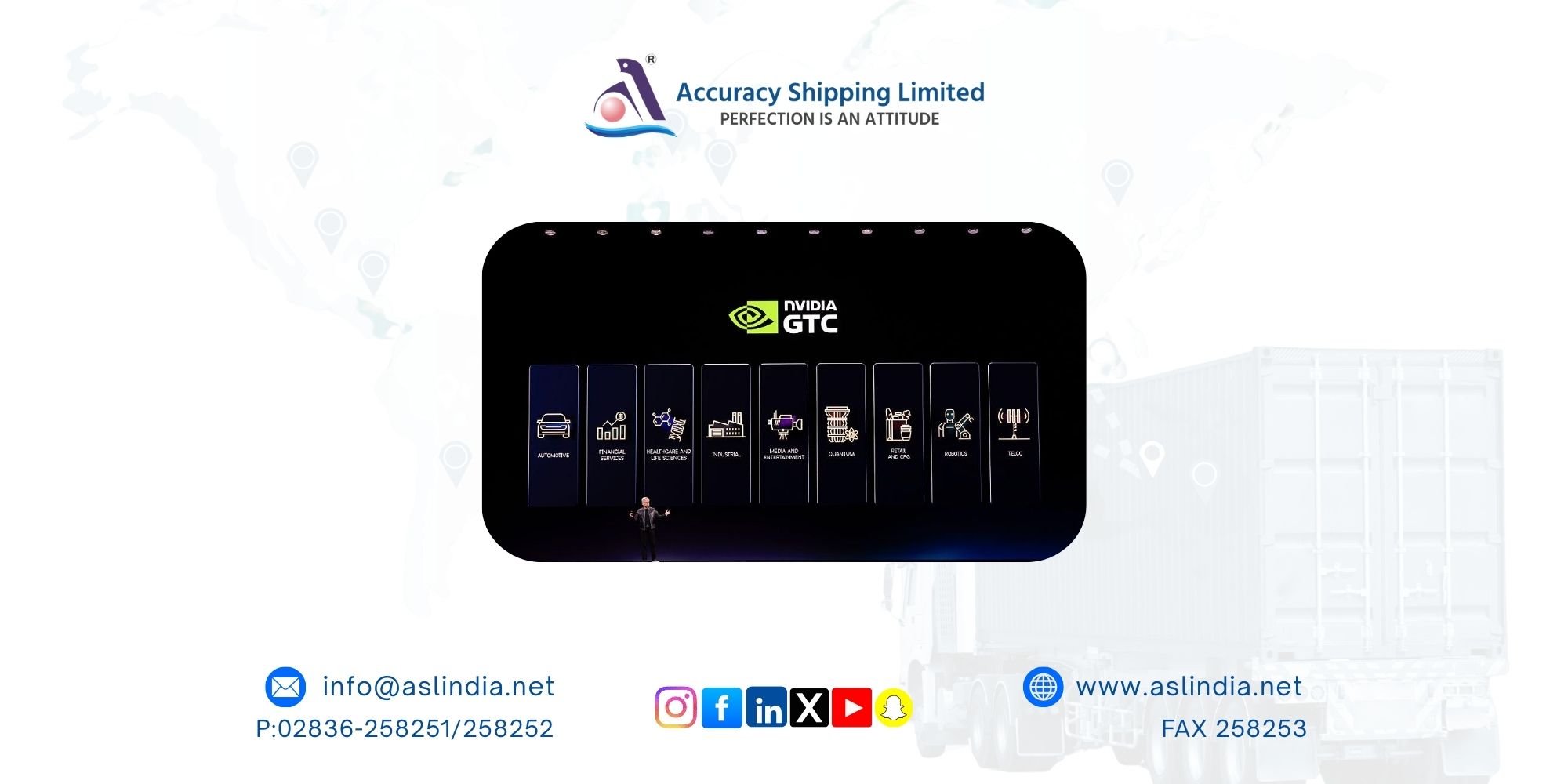
Nvidia CEO Says Gamers Are Completely Wrong About His New AI Feature That Yassifies Games
 25 Mar, 2026

