



Siddaramaiah terms Modi’s silence in Lok Sabha as ‘cowardice’

Introduction
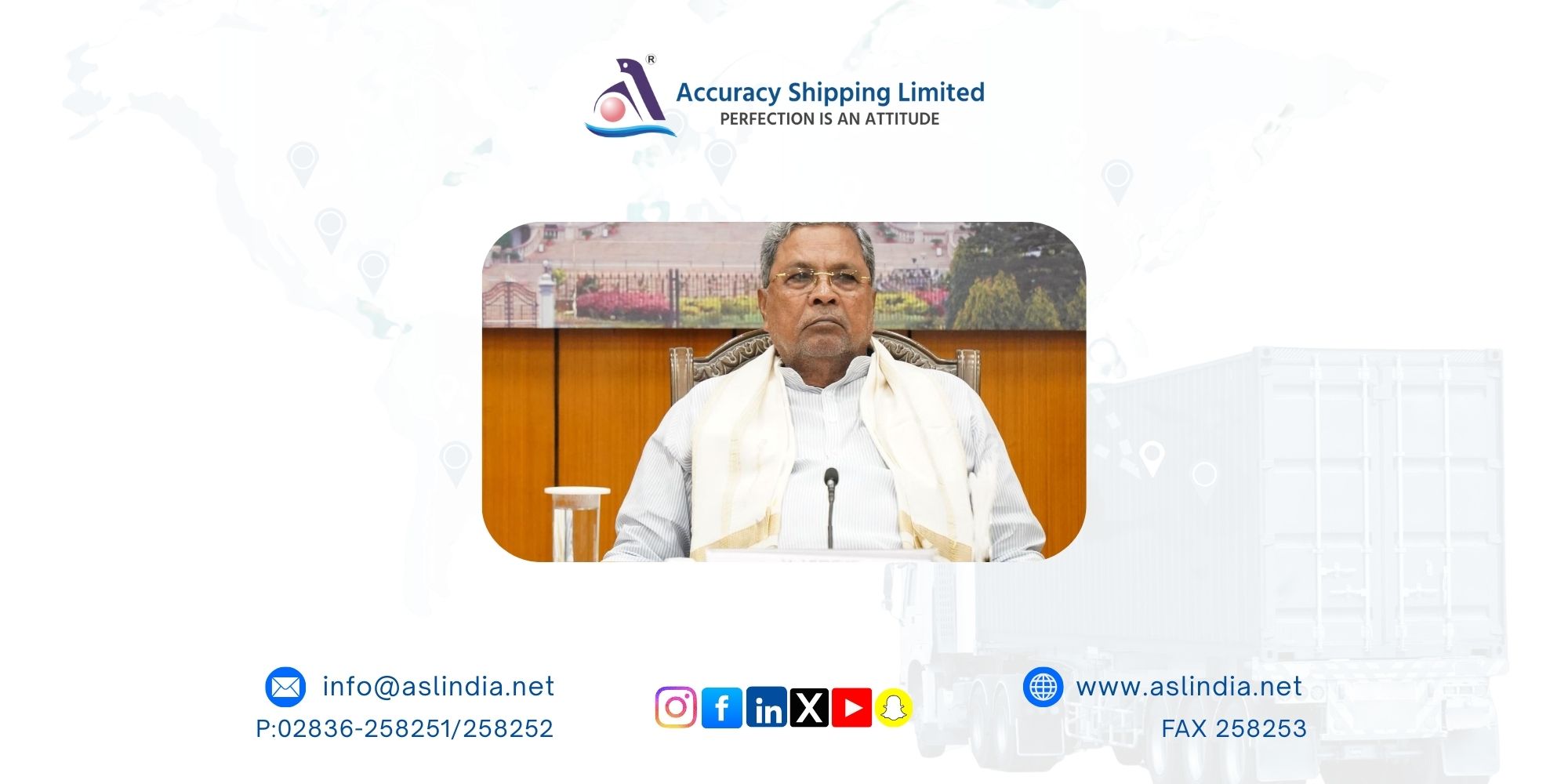
Karnataka Chief Minister Siddaramaiah has intensified his criticism of Prime Minister Narendra Modi, calling the Prime Minister’s silence in the Lok Sabha during the debate on the Motion of Thanks to the President’s Address an act of “cowardice.” The remarks came a day after Siddaramaiah questioned the government over the India–U.S. interim trade deal, adding to an already charged political atmosphere in Parliament.
Unprecedented Parliamentary Moment
According to Siddaramaiah, this was the first time in India’s parliamentary history that the Motion of Thanks was passed without a reply from the Prime Minister. He argued that a Prime Minister who avoids Parliament also avoids accountability. Taking to social media platform X, he stated that the government first silenced the Opposition and then chose silence itself, reducing the very purpose of parliamentary debate.
Opposition’s Voice Curtailed
The Chief Minister highlighted that the Leader of Opposition in the Lok Sabha, Rahul Gandhi, was not allowed to complete his speech. Siddaramaiah said Mr. Gandhi was raising serious national security concerns and attempting to place on record a book by former Army chief General M.M. Naravane. He alleged that the government’s “evasive leadership” did not want Parliament to examine these issues in depth.
Questions Left Unanswered
Siddaramaiah further stated that by restricting the Opposition’s voice, which he said represents a majority of the people of India, crucial questions were left unanswered. With these concerns unresolved, he alleged that the Prime Minister chose not to appear in the Lok Sabha at all. According to him, a leader confident in his decisions would not hide from debate or avoid the House.
Warning on Democratic Institutions
Using strong language, the Chief Minister remarked, “When the Opposition is silenced and the Prime Minister runs away, Parliament becomes meaningless.” He described the episode as part of a larger pattern involving the Bharatiya Janata Party and the Rashtriya Swayamsevak Sangh, accusing them of weakening Parliament, abusing constitutional offices, and hollowing out democratic institutions. He warned that democracy cannot survive on fear, silence, and escape.
Speaker’s Role Under Scrutiny
Siddaramaiah also criticised Lok Sabha Speaker Om Birla, accusing him of partisan conduct. He said that by justifying what he called an unprecedented departure from parliamentary convention, the Speaker had damaged the dignity of the House. Emphasising the constitutional role of the Speaker, Siddaramaiah asserted that the office is meant to defend Parliament, not act as a shield for the executive.
Conclusion
The controversy has added fresh fuel to the ongoing debate over parliamentary accountability and the health of India’s democratic institutions. As political reactions continue to pour in, the episode has raised larger questions about the role of debate, dissent, and executive responsibility in the functioning of the Lok Sabha.
Our Tag:
Share:

.png)
.png)
.png)
Newsletters

 07 Aug, 2025
How Donald Trump’s 100% US tariff plan on semiconductors could impact phone, chip-makers
 27 Feb, 2026
Nano Banana 2 brings Pro quality at Flash speeds, rolling out to Gemini app
 03 Jul, 2025
Visakhapatnam welcomes Cordelia Cruises: A new era for coastal tourism
 16 Sep, 2025
What to expect from Indian stock market in trade on September 16 amid India-US trade talks
 13 Jan, 2026

