


Scientists find a mechanism showing how exercise protects the brain

A groundbreaking study from University of California, San Francisco (UCSF) has uncovered a powerful biological mechanism explaining how exercise protects the brain. The research, published in Cell, reveals how physical activity strengthens the brain’s protective barrier and helps prevent age-related cognitive decline.
This discovery sheds light on why exercise is often linked to better memory, sharper thinking, and reduced risk of neurodegenerative diseases like Alzheimer's disease.
Understanding the Blood Brain Barrier
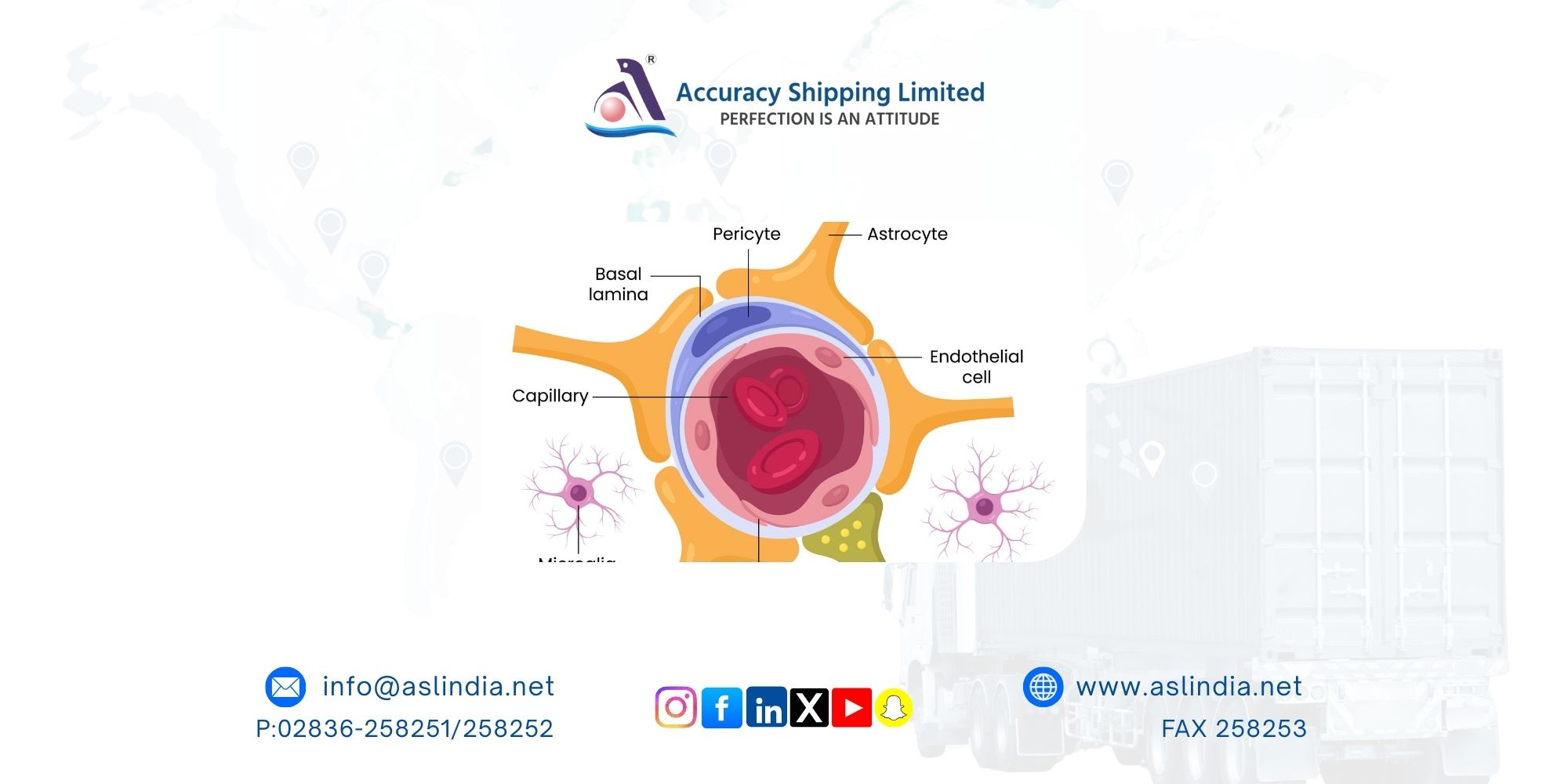
The brain is protected by a specialized network of blood vessels called the blood–brain barrier (BBB). This barrier acts as a security system, allowing essential nutrients to enter while blocking harmful substances.
However, as we age, the BBB becomes “leaky.” When this happens:
Harmful compounds can enter the brain
Inflammation increases
Cognitive decline accelerates
The risk of neurodegenerative diseases rises
Scientists have long known that exercise improves cognition but exactly how it works remained unclear.
The Enzyme That Sparked the Discovery
Six years ago, researchers identified a brain-rejuvenating enzyme called GPLD1. They found that:
Mice produced GPLD1 in their livers when they exercised.
Higher levels of GPLD1 improved cognitive performance.
However, GPLD1 cannot enter the brain.
This created a mystery: How could an enzyme that never enters the brain improve brain function?
The Missing Link: TNAP
The new study solved the puzzle.
Researchers discovered that GPLD1 works indirectly through another protein called TNAP (tissue-nonspecific alkaline phosphatase).
Here’s what happens:
As mice age, TNAP accumulates in the cells forming the blood–brain barrier.
Increased TNAP makes the BBB more leaky.
A leaky BBB leads to inflammation and cognitive decline.
When mice exercise:
Their livers produce GPLD1.
GPLD1 travels to the blood vessels surrounding the brain.
It trims TNAP off the surface of BBB cells.
The BBB becomes less leaky.
Brain inflammation decreases.
According to senior author Saul Villeda, Ph.D., associate director of the UCSF Bakar Aging Research Institute:
"This discovery shows just how relevant the body is for understanding how the brain declines with age."
Laboratory Evidence: What the Scientists Found
To understand GPLD1’s role, the research team analyzed proteins present on aging tissues. The cells forming the blood–brain barrier stood out because they had several potential GPLD1 targets on their surface.
When tested in laboratory conditions:
GPLD1 only cut one protein: TNAP.
Further experiments revealed striking results:
Young mice engineered to have excess TNAP in their BBB showed cognitive decline similar to old mice.
Two-year-old mice (equivalent to about 70 human years) had reduced TNAP using genetic tools.
Their BBB became less leaky.
Brain inflammation decreased.
Memory performance improved significantly.
Gregor Bieri, Ph.D., co-first author of the study, noted:
"We were able to tap into this mechanism late in life, for the mice, and it still worked."
Why This Discovery Matters
Most Alzheimer's research has traditionally focused directly on the brain. This study highlights something different: the body plays a critical role in brain aging.
The findings suggest:
Exercise strengthens the brain indirectly through the liver.
Targeting TNAP may rejuvenate the blood–brain barrier.
Therapies could be developed to mimic exercise benefits.
New drug strategies could reduce brain inflammation even later in life.
Saul Villeda emphasized that this research uncovers biology that Alzheimer’s research has largely overlooked and may open new therapeutic possibilities beyond traditional brain-focused strategies.
Exercise: A Natural Brain Protector
This study reinforces a powerful message: physical activity is one of the most effective natural tools for protecting cognitive health.
By reducing TNAP levels and preserving the integrity of the blood–brain barrier, exercise:
Decreases inflammation
Protects brain cells
Preserves memory
Slows age-related decline
While pharmaceutical approaches are still under development, exercise remains an accessible and scientifically supported method to support brain health at any age.
Final Thoughts
The discovery by UCSF researchers marks a significant advancement in understanding the connection between body and brain health. By identifying the GPLD1–TNAP mechanism, scientists have uncovered a promising pathway that could inspire new treatments for cognitive decline and Alzheimer’s disease.
Most importantly, the research confirms something simple yet powerful: moving your body helps protect your brain.
Our Tag:
Share:

.png)
.png)
.png)
Newsletters

 18 Jun, 2025
Stocks to Track: Vedanta, GMR Airports, Bajaj Finance, RailTel, BSE & more
 25 Feb, 2026
INSA Joins International Chamber of Shipping as Full Member, Strengthening India’s Global Maritime Voice
 19 Feb, 2026
Dube delivers on Surya's wish as India beat Netherlands, go unbeaten into Super 8s
 27 Nov, 2025
Gujarat Pipavav port clarifies ₹17,000-crore MoU with GMB is non-binding
 22 May, 2025

