



Pakistan's mediator role in Iran war puts Modi in hot seat

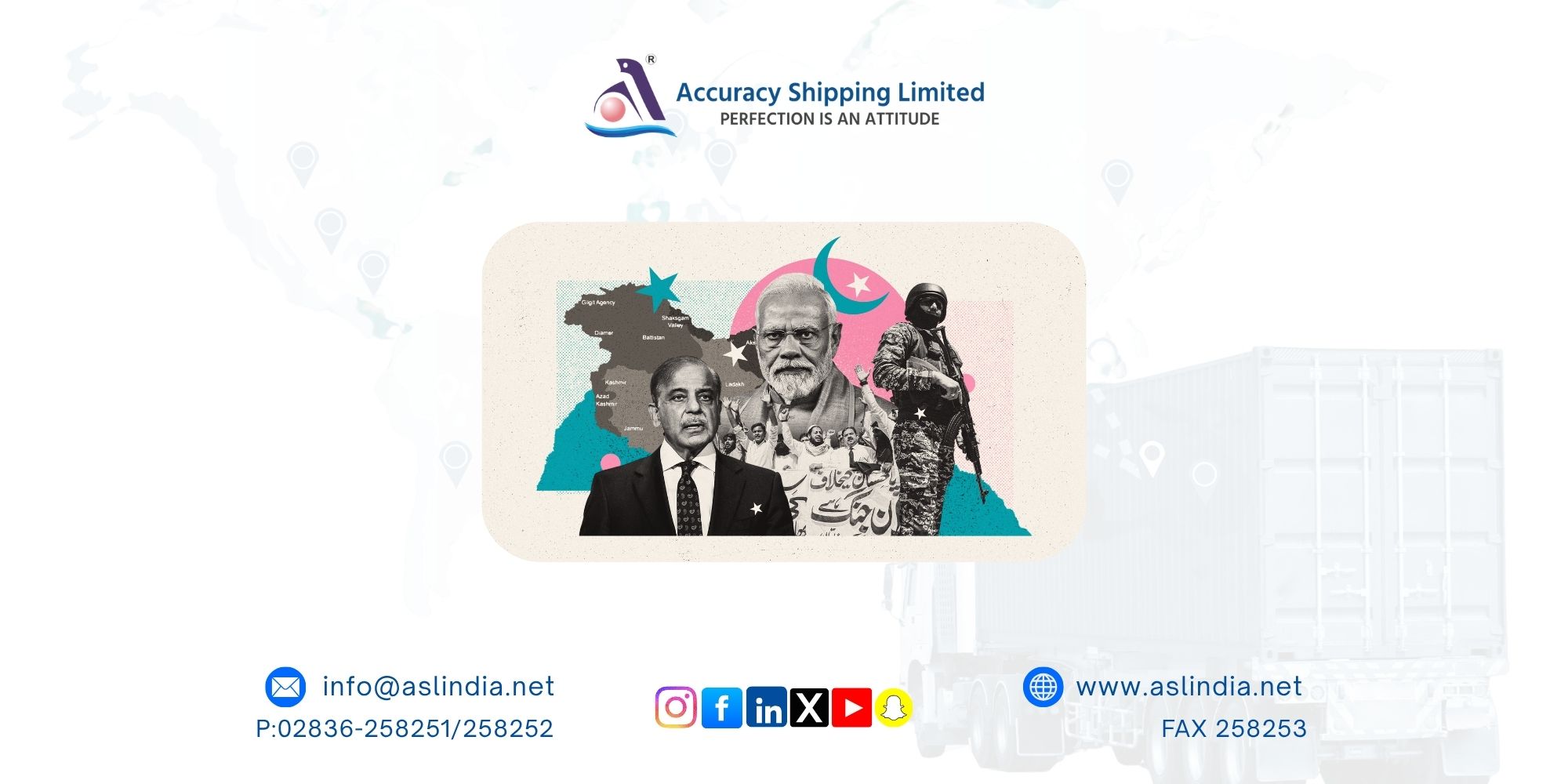
India’s foreign policy has come under intense political scrutiny after reports suggested that Pakistan is positioning itself as a key diplomatic mediator in the ongoing tensions involving Iran. The development has triggered a sharp reaction from opposition leaders, who have questioned the global standing of Prime Minister Narendra Modi and India’s diplomatic outreach. 🇮🇳
According to reports, Pakistan is attempting to step into a central diplomatic role to broker peace in what has been described as a US-Israeli conflict involving Iran. The move has raised eyebrows in India’s political circles, particularly because New Delhi traditionally plays a significant role in regional diplomacy.
Pakistan’s Diplomatic Push Raises Questions 🤝
The Financial Times reported that Pakistan’s Army chief Field Marshal Asim Munir spoke with US President Donald Trump, proposing Islamabad as a possible venue for negotiations. The report indicated that talks involving senior officials from Washington and Tehran could begin soon.
At the same time, Pakistan Prime Minister Shehbaz Sharif held discussions with Iranian President Masoud Pezeshkian, further signaling Islamabad’s intent to play a mediator role. These diplomatic engagements have fueled political debate in India, with opposition parties questioning whether New Delhi is losing strategic influence in the region.
Opposition Criticizes Modi’s Foreign Policy 🗣️
Congress leader Rahul Gandhi strongly criticized the government, calling India’s foreign policy a “joke.” He argued that diplomacy had become overly centralized and that the current approach was undermining India’s global credibility.
Senior Congress leader Pawan Khera echoed similar concerns, stating that while the Prime Minister focused on domestic messaging, Pakistan was actively positioning itself at the global diplomatic table during a critical geopolitical moment.
Meanwhile, Member of Parliament Jairam Ramesh pointed to Pakistan’s growing diplomatic engagement, suggesting that Islamabad’s narrative management had outpaced India’s efforts, despite India’s military successes in Operation Sindoor.
Modi Responds: India Engaged in Diplomatic Talks 🇮🇳📞
Responding to the criticism, Prime Minister Modi stated that India is actively communicating with Iran, Israel, and the United States to de-escalate tensions. He emphasized that New Delhi is working toward a peaceful solution and maintaining diplomatic channels with all parties involved.
Modi also highlighted discussions around reopening the Strait of Hormuz and preventing escalation. He warned that the prolonged conflict could have long-term economic consequences, particularly in energy supply disruptions and rising inflation.
Government Prepares for Economic Impact 📉⛽
The Prime Minister urged citizens to brace for potential economic turbulence stemming from the conflict. He announced that the government has formed seven empowered groups to monitor fuel availability, supply chains, and inflation.
States have also been asked to prevent black marketing and protect vulnerable populations. According to the government, these measures aim to safeguard national interests and maintain stability amid ongoing geopolitical uncertainty.
Political Debate Intensifies 🔥
With Pakistan attempting to step into a mediator role and opposition leaders raising questions about India’s diplomatic standing, the issue has sparked a broader debate on foreign policy direction. While the government maintains that it is actively engaging global stakeholders, critics argue that India must reinforce its leadership position in regional diplomacy.
As the Middle East situation evolves, India’s diplomatic response and its domestic political implications are likely to remain in focus in the coming weeks. 🌐
Our Tag:
Share:

.png)
.png)
.png)
Newsletters

 04 Dec, 2025
Apple's longtime design executive Alan Dye to join Meta
 17 Mar, 2026
Samsung acknowledges the Galaxy S26 Ultra's Privacy Display can limit off-angle visibility
 20 May, 2025
Bengaluru rains: Political slugfest erupts as city comes to a standstill
 15 Dec, 2025
Sagarmala programme: 110 projects worth over ₹1 lakh crore identified in Andhra Pradesh to boost port-led growth
 19 Jun, 2025

