


I’ve spent months tracking AI personalities like Twitch streamer Neuro-sama and it feels like acceptance but I think we’re reading it wrong

The Rise of AI Characters Online
Twitch has become the stage for a new kind of celebrity.
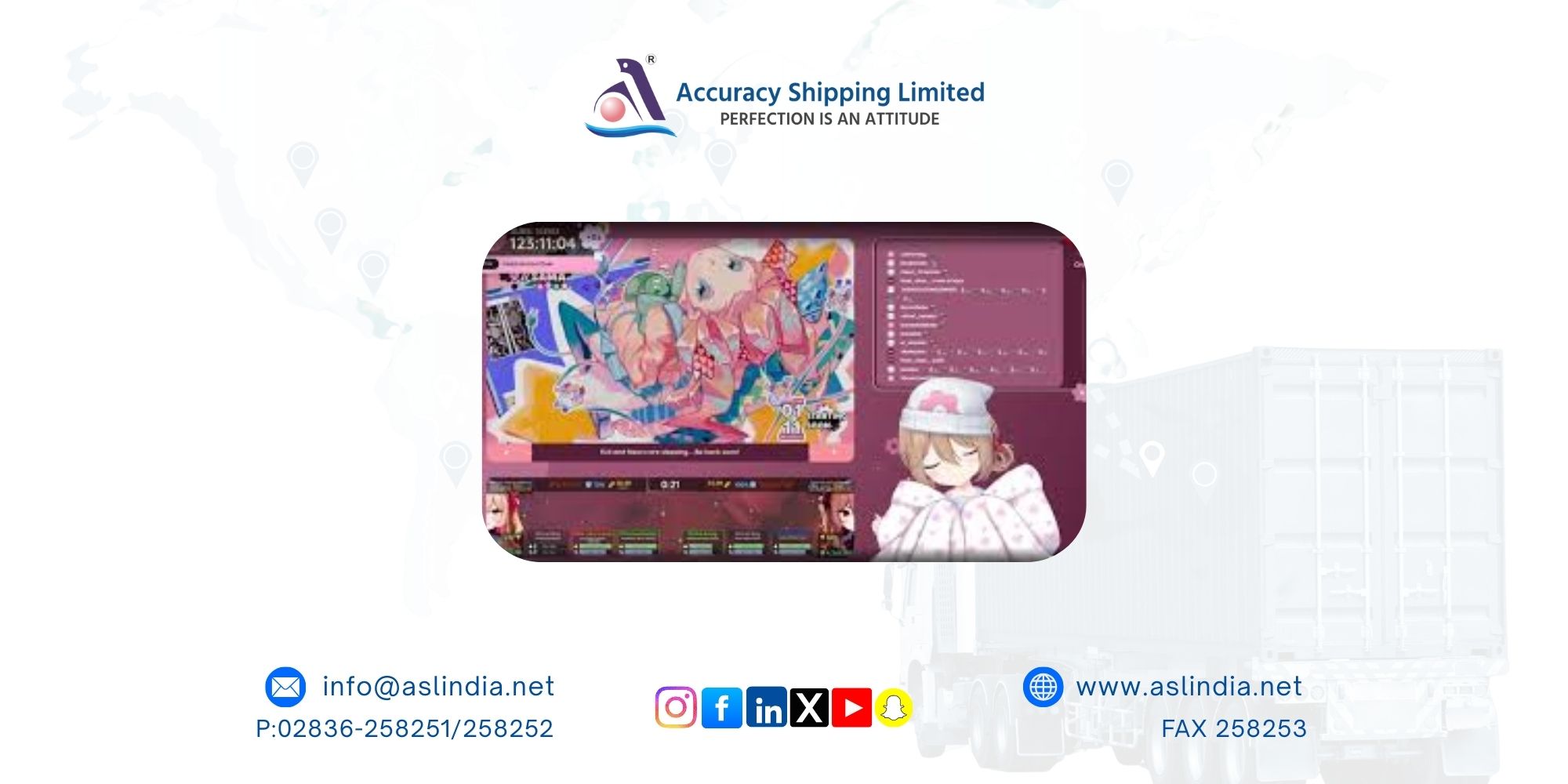
And at the center of it is Neuro-sama, currently the platform’s most subscribed-to user.
But Neuro-sama isn’t human. It’s an AI-powered character capable of real-time commentary, responding to live chat, and drawing massive audiences.
And it’s not alone.
We’re seeing a surge of what I’ll call “AI characters” a broad umbrella term covering everything from AI influencers to AI-generated actors and hybrid chatbot-personality experiments.
Under that umbrella sit figures like Lil Miquela, with millions of followers and brand deals, and even Tilly Norwood, an AI-generated “actor” whose creator has hinted at potential talent agency representation.
At first glance, the metrics look clear: followers, likes, subscriptions, engagement. It feels like acceptance.
But after nearly a year covering AI interviewing developers, audiences, and spending long hours watching how people actually interact with these systems I’m not convinced interest equals endorsement.
Something else is happening.
Novelty and the “New Toy” Effect
Most technologies pass through a spectacle phase.
Think early iPhone demos. Think VR headsets. Think ChatGPT’s first viral moment. There’s a period of awe a collective “wow.”
AI characters are currently in that phase.
They’re technically impressive. They look and behave in increasingly human ways. They’re unusual enough to feel worth checking out even if you have no interest in replacing human entertainers with synthetic ones.
Neuro-sama is a perfect example. It’s not just a chatbot dropped onto Twitch. It’s a carefully crafted, idiosyncratic character built over years by its creator, vedal987. As TechRadar’s Eric Hal Schwartz observed, its success comes from that depth of development not from generic AI capability.
That craft makes it fascinating.
But fascination isn’t the same as loyalty.
Engagement spikes when something is new. Once the trick is understood yes, it can chat; yes, it can stream; yes, it can respond cleverly curiosity often fades.
Watching for the Cracks
Interestingly, many viewers don’t tune in because they believe in the illusion.
They tune in to spot where it fails.
The slightly off timing.
The strange pacing.
The uncanny phrasing.
The moments when the performance slips.
This connects to the idea of the “uncanny valley,” proposed by roboticist Masahiro Mori the discomfort we feel when something is almost human, but not quite.
AI characters often sit in that middle zone.
They’re human-like enough to intrigue us, but not convincingly enough to sustain deep emotional investment.
When more AI characters enter the same space, that novelty wears off even faster.
Views Don’t Equal Desire
High subscriber counts make great headlines.
But metrics are blunt instruments.
Algorithms amplify novelty.
Curiosity gets counted as commitment.
Clicks get confused with preference.
You might like one raccoon video once and suddenly your feed is full of raccoons for a week.
If we interpret AI viewership numbers as proof that people want AI replacing human creators, we may be misreading short-term spectacle as long-term cultural shift.
Philosopher Jean Baudrillard, in Simulacra and Simulation, warned that simulation can produce “a real without origin or reality.” Replicas can attract attention while hollowing out meaning.
AI characters simulate performance.
But they lack lived context.
They can be watched.
They are harder to care about.
Why Humans Still Hold the Edge
Human streamers contradict themselves.
They get bored.
They tell stories.
They evolve.
They make mistakes.
And that messiness matters.
Media scholars Donald Horton and R. Richard Wohl described “parasocial relationships” the one-sided bonds audiences form with performers over time.
These bonds depend on:
• Perceived memory
• Growth
• Vulnerability
• Spontaneity
These are difficult to simulate convincingly.
AI characters can mimic continuity, but they don’t truly remember. They can simulate vulnerability, but they don’t risk anything.
For many viewers, that difference still matters.
The Uncomfortable Reality
That said, not everyone prefers humanness.
In reporting on AI therapy and AI companionship over the past year, I’ve spoken to people who actively prefer AI interaction.
Why?
Because it removes friction.
No social obligation.
No emotional reciprocity.
No risk of rejection.
AI characters fit neatly into that logic. They’re easy to engage with and just as easy to leave.
Leaning In Doesn’t Mean Staying
We don’t yet know how long-term relationships with AI characters will evolve especially as distinguishing between human and artificial becomes harder.
But for now, it’s worth resisting a simplistic reading of the spectacle.
A crowd leaning in doesn’t always mean it wants to stay.
Sometimes it just wants to see how the trick works.
Interest in AI characters doesn’t necessarily mean people want them.
And if we confuse curiosity with acceptance, we risk misunderstanding what audiences actually value: not perfection, not simulation but the complicated, unpredictable humanness that AI still struggles to replicate.
Our Tag:
Share:

.png)
.png)
.png)
Newsletters

 03 Dec, 2025
Adani Group plans $15 billion India airports expansion by 2030, Bloomberg News reports
 09 Oct, 2025
Mohammed Shami contradicts Agarkar to end rumours: ‘I’m fully fit to play for India. If captain, coach and selectors…'
 09 Feb, 2026
AI stethoscope doubles detection of serious valve disease in primary care study
 29 Nov, 2025
Apple iPhone 17 Pro for under ₹80,000? Croma’s huge Black Friday offer live here's how the deal works
 26 Apr, 2025

