



India’s Freight Emissions on Track to Quadruple by 2047 Without Coherent Policy Fix, SFC–TERI Warn

Introduction
India’s freight sector is projected to witness nearly a 400% rise in carbon dioxide emissions by 2047 if current logistics practices and fuel usage patterns remain unchanged. This alarming warning comes from a new whitepaper jointly released by Smart Freight Centre (SFC) India, The Energy and Resources Institute (TERI), and Indian Institute of Management Bangalore (IIM Bangalore).
The report cautions that without urgent and coordinated reforms, freight emissions could become one of the most serious obstacles to India’s net-zero 2070 ambitions, even as logistics demand continues to grow alongside economic expansion.
The Growing Emissions Challenge
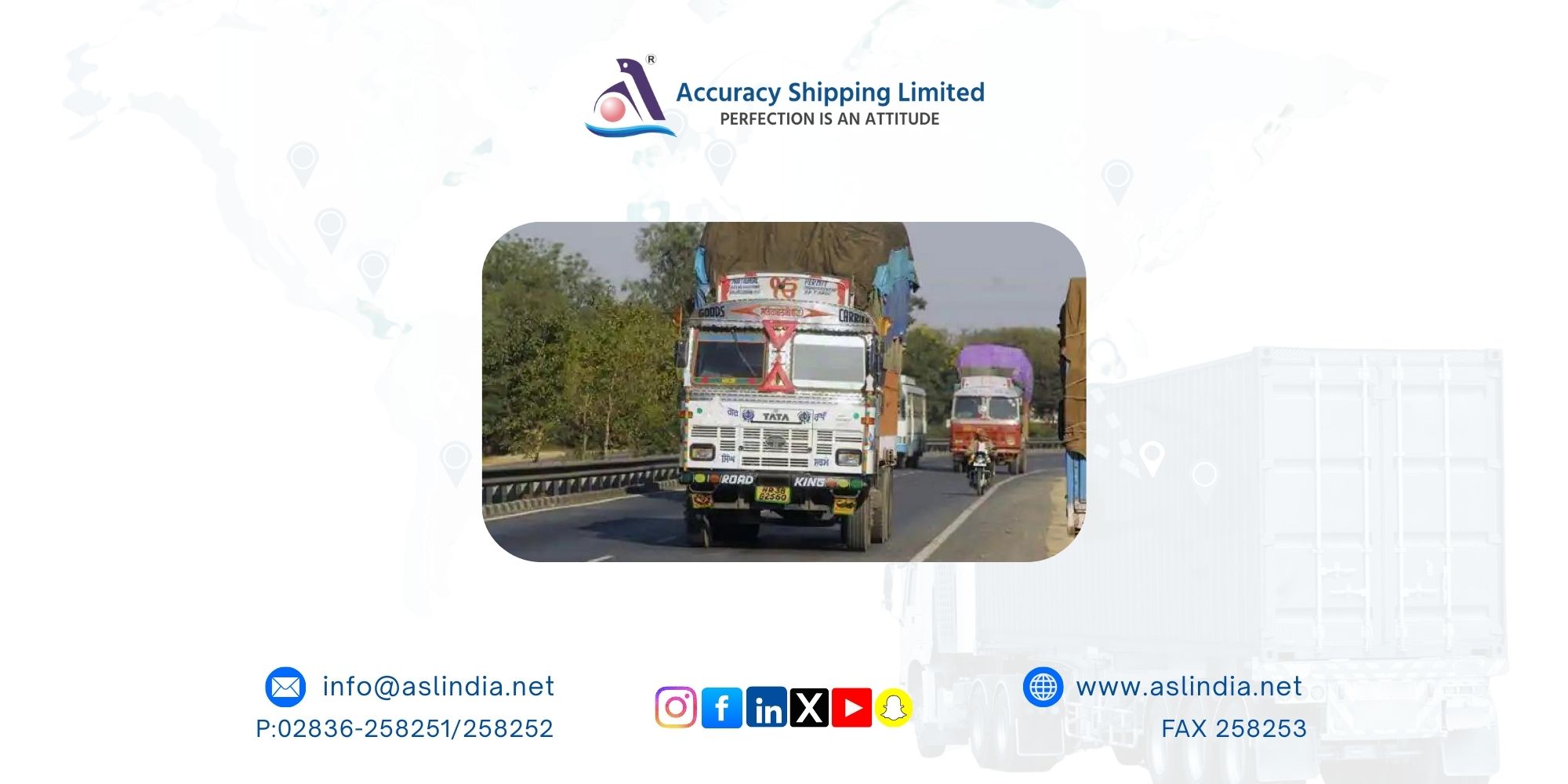
India’s economy is expanding rapidly, driving higher demand for goods movement across road, rail, and coastal shipping networks. However, this growth is heavily dependent on diesel-powered road transport, which dominates the freight landscape.
If present trends persist:
Freight-related CO₂ emissions could quadruple by 2047
Road transport will remain the primary contributor
Infrastructure gaps may delay adoption of cleaner alternatives
The whitepaper highlights that freight decarbonisation is not keeping pace with economic development. Without systemic reform, India risks locking itself into a high-emissions logistics pathway for decades.
The Core Problem: Lack of Harmonised Emissions Framework
A major barrier identified in the report is the absence of a harmonised, India-specific freight emissions accounting framework.
Currently:
Emissions measurement practices are fragmented
Companies use inconsistent methodologies
Reliable tracking across modes and corridors is limited
As a result, many companies cannot accurately measure the carbon footprint of their road, rail, or coastal freight operations. Without consistent metrics, policymakers cannot design targeted decarbonisation strategies, and supply chains cannot be held accountable.
Experts quoted in the report emphasise a critical principle:
“You cannot decarbonise what you cannot measure.”
Standardised measurement is the foundation for meaningful climate action.
Proposed Solution: National Freight Emissions Accounting Framework
To address these gaps, the whitepaper proposes the development of a national freight emissions accounting framework aligned with:
International Organization for Standardization ISO 14083 standards
Global Logistics Emissions Council (GLEC) methodology
However, the framework would be calibrated using India-specific emission factors and local operational data to ensure accuracy and relevance.
Key Recommendations
Creation of a Clean Freight Program
Development of a digital MRV (Monitoring, Reporting and Verification) platform
Establishment of a multi-stakeholder governance structure
Collaboration among government, industry, and academia
Such a system would enable consistent emissions reporting, policy alignment, and improved access to green finance.
Structural Barriers to Decarbonisation
The report also outlines major structural challenges:
Diesel Dependence
India’s freight ecosystem is dominated by diesel-heavy road transport, making emissions reduction particularly complex.
High Upfront Costs
Electric vehicles and alternative fuel technologies involve higher initial investments, discouraging rapid adoption.
Infrastructure Gaps
Limited charging stations and alternative fuel refuelling infrastructure restrict scalability.
Financial Constraints for Small Operators
Many small fleet owners lack access to affordable climate finance or incentives.
Unless these barriers are addressed through coordinated policy interventions, India could remain locked into a high-carbon freight trajectory.
Pathways to a Cleaner Freight Future
With a standardised accounting system in place, India can accelerate:
Fleet Modernisation
Encouraging adoption of cleaner vehicles and alternative fuels.
Mode Shift
Increasing freight movement through rail and inland waterways, which have lower carbon intensity compared to road transport.
Green Corridor Development
Designating specific trade routes with low-emission logistics infrastructure.
Climate Finance Access
Enabling small operators to secure funding for fleet upgrades and efficiency improvements.
These measures, supported by credible data and transparent reporting, can transform India’s freight sector into a climate-aligned growth engine.
Conclusion
India’s freight emissions trajectory presents both a serious risk and a transformative opportunity. Without coherent policy reforms and a unified emissions measurement framework, freight could undermine the country’s net-zero 2070 commitments.
However, with a national freight emissions accounting framework aligned to global standards and tailored to India’s realities, the sector can shift toward sustainable, low-carbon logistics.
The message from SFC, TERI, and IIM Bangalore is clear: measurement is the first step toward meaningful decarbonisation. The next two decades will determine whether India’s freight system becomes a climate liability or a model for green growth.
Our Tag:
Share:

.png)
.png)
.png)
Newsletters
 14 Apr, 2025
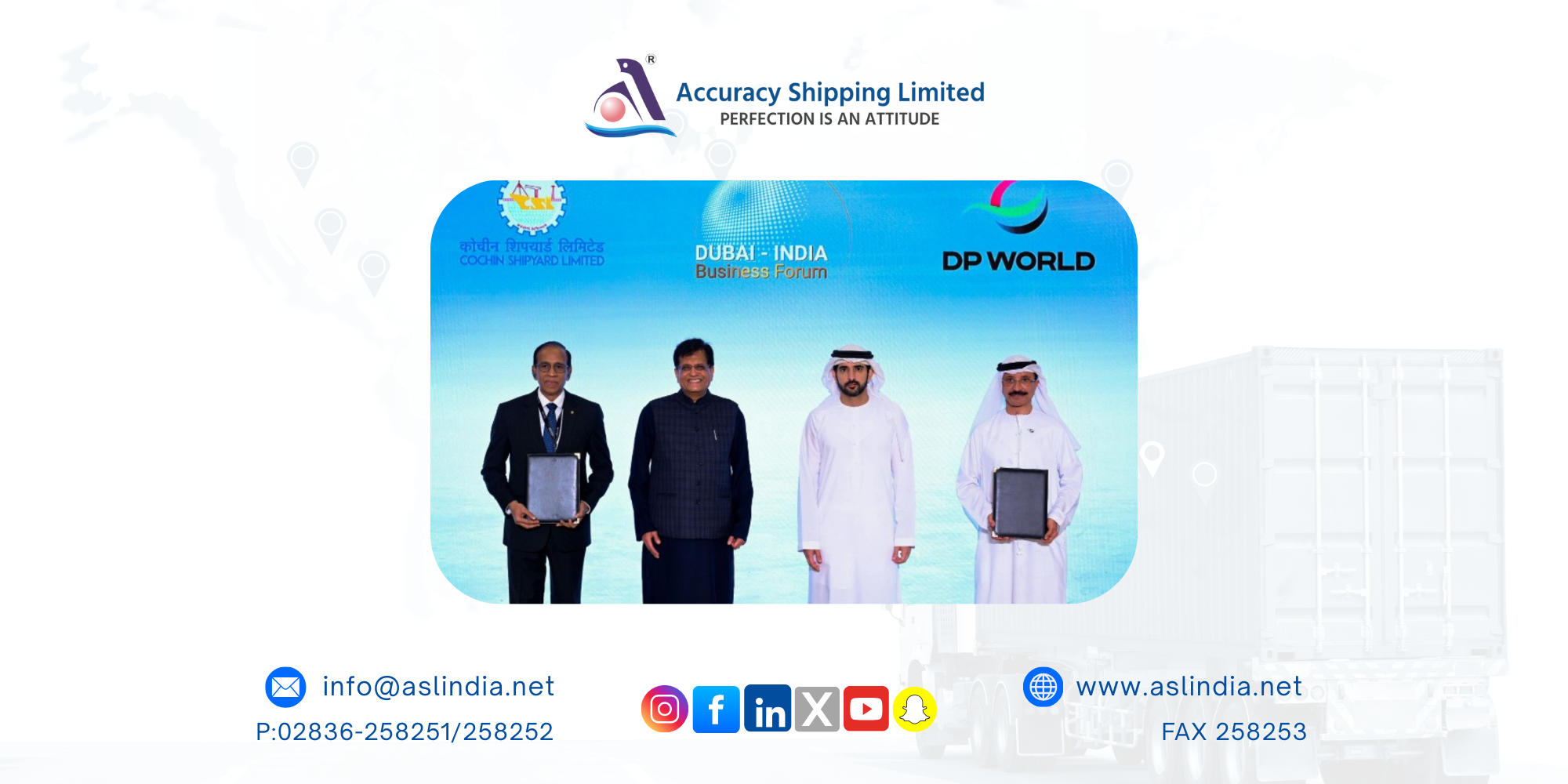
Cochin shipyard, dry docks world ink mou to boost india’s ship repair infrastructure
 15 Apr, 2025
Sensex jumps over 1,600 points; Nifty tops 23,300 on US tariff relief
 04 Oct, 2025
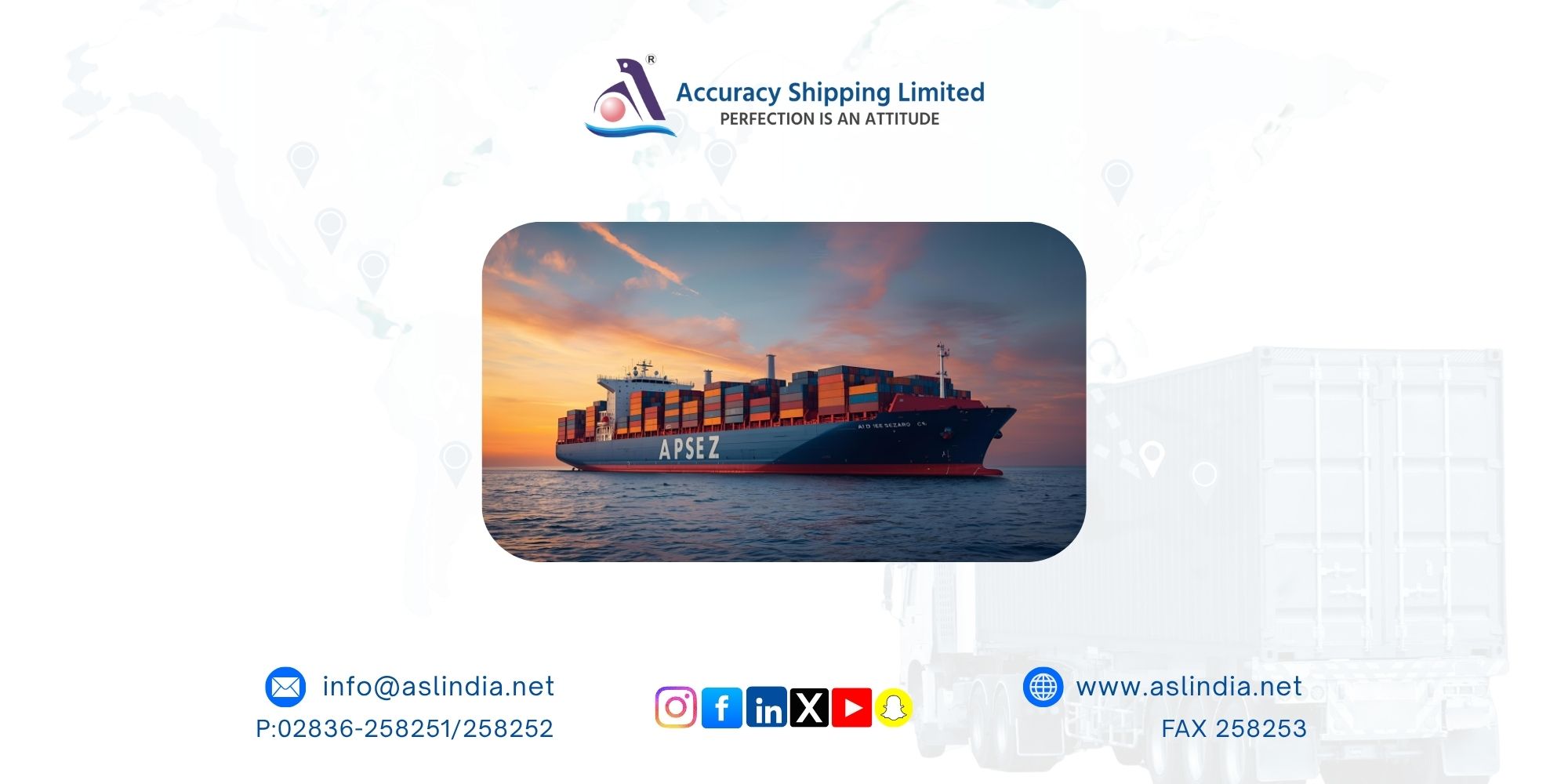
APSEZ posts 11% cargo growth in September
 13 Jan, 2026
Stocks to Watch on Jan 13: TCS, HCLTech, Adani Energy, Biocon, NLC India and more
 14 Apr, 2025

