



India attends Trump's Board of Peace meeting as observer nation

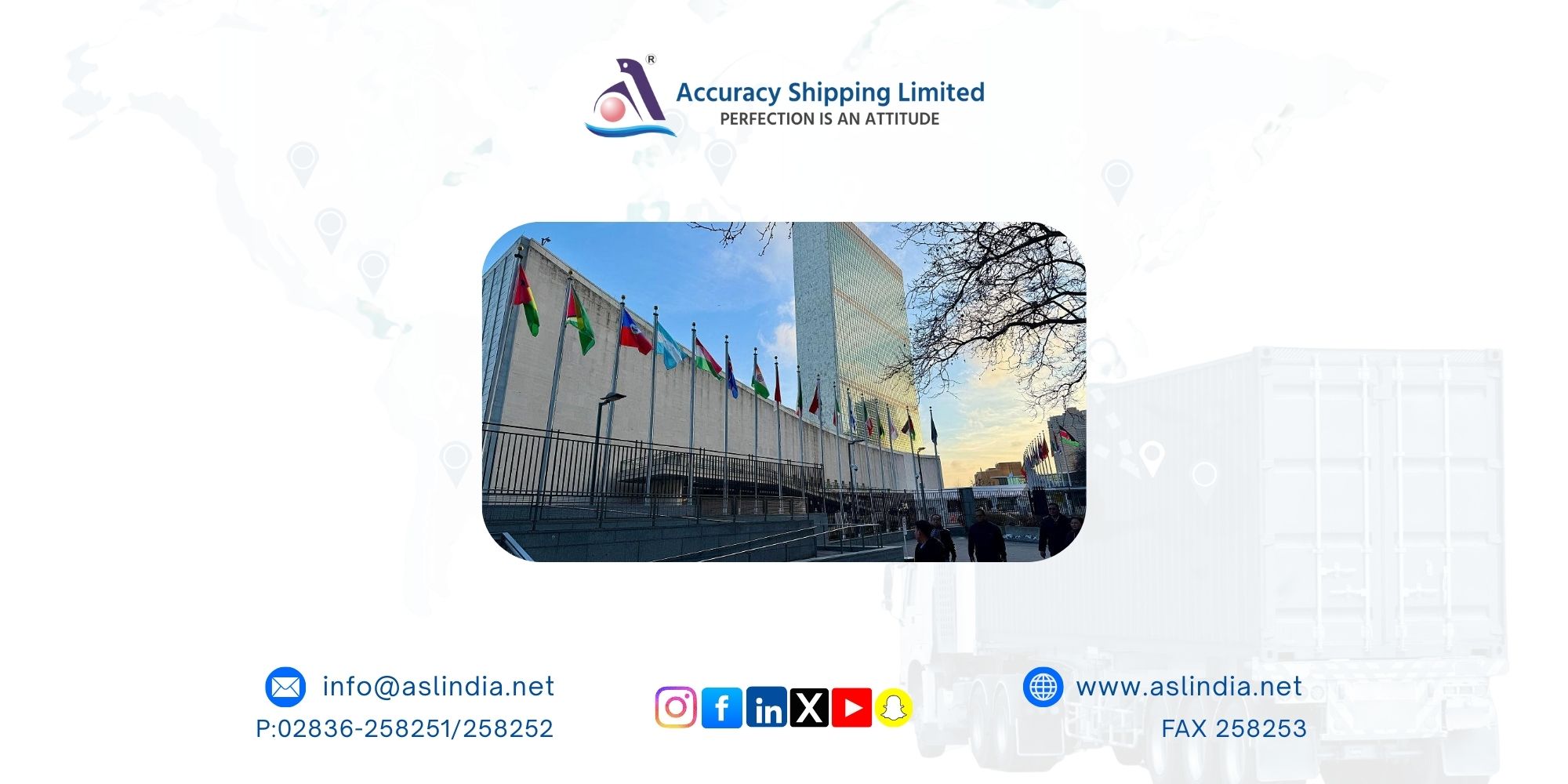
A Diplomatic Presence Without Formal Membership
India participated as an observer at the recent meeting of the Board of Peace, an initiative launched by U.S. President Donald Trump for the redevelopment of the Gaza Strip. However, India has not formally joined the Board.
According to the official list of attendees at the meeting held at the Donald J. Trump Institute of Peace, India was represented by Chargé d'affaires at the Indian Embassy in Washington DC, Namgya Khampa.
This participation reflects India’s continued diplomatic engagement on global peace initiatives, while maintaining a cautious and balanced approach.
What Is the Board of Peace?
The Board of Peace has been established under the second phase of a ceasefire agreement between Israel and Hamas in the Gaza Strip. The initiative aims to:
Support the redevelopment of Gaza
Promote long-term peace in the region
Potentially address other global conflicts
President Trump announced that the United States would commit $10 billion to the Board’s mission. The Board currently includes 27 member nations, such as:
Argentina
Armenia
Azerbaijan
Hungary
Pakistan
Saudi Arabia
United Arab Emirates
While several countries have formally joined, India has chosen not to become a member at this stage.
Invitation to Prime Minister Narendra Modi
Prime Minister Narendra Modi was among numerous global leaders invited by President Trump to join the Board of Peace. The invitation underscores India’s growing stature on the global diplomatic stage.
However, India was also among the countries not present at the January 22 ceremony in Davos where President Trump formally unveiled the Board of Peace initiative.
India’s absence from the founding ceremony and its current observer status signal a strategic approach engaging diplomatically while avoiding immediate formal alignment.
A Potential Rival to the United Nations?
The Board of Peace is widely perceived as a potential rival to the United Nations. President Trump has previously suggested that the Board “might” replace the UN, arguing that the organization has never fully lived up to its potential.
Such statements have sparked debate within diplomatic circles about:
The future of multilateral institutions
Shifts in global power structures
The emergence of alternative international frameworks
India, a long-standing advocate for multilateralism and UN reform, appears to be carefully assessing the evolving geopolitical landscape before committing to any new global bloc.
India’s Strategic Diplomatic Position
India’s observer participation demonstrates:
Commitment to global peace discussions
Continued engagement with the United States
Strategic neutrality in complex geopolitical matters
By attending the meeting without formally joining, India signals that it is open to dialogue while maintaining diplomatic flexibility.
In an increasingly polarized global environment, India’s approach reflects calculated diplomacy engaging where necessary, observing developments closely, and preserving strategic autonomy.
Conclusion
India’s presence at President Trump’s Board of Peace meeting as an observer nation marks a significant diplomatic move. While not formally joining the initiative aimed at redeveloping Gaza, India continues to maintain active engagement in global peace discussions.
As the Board of Peace evolves and as questions arise about its relationship with the United Nations India’s next steps will likely be guided by its long-standing principles of multilateral cooperation, strategic independence, and balanced global engagement.
Our Tag:
Share:

.png)
.png)
.png)
Newsletters

 14 Jul, 2025
Private credit grappling with margin pressure
 15 Apr, 2025
Sensex jumps over 1,600 points; Nifty tops 23,300 on US tariff relief
 02 Jul, 2025
CCI orders investigation into market abuse charges against Asian Paints after Birla Paints complaint
 12 Mar, 2026
I rely on my instincts, do not depend on data: Gambhir
 01 Nov, 2025

