



Hormuz opens for India: Iran says 5 'friendly nations' won't face blockade


Amid rising tensions in the Middle East, Iran has clarified that the Strait of Hormuz is not completely closed and that vessels from five “friendly nations,” including India, will continue to receive safe passage. The announcement has eased concerns about global energy supplies and trade disruptions, particularly for India, which depends heavily on oil shipments passing through the strategically crucial waterway.
Iran Confirms Safe Passage for India and Four Others
In an interview with Iranian State TV, Iran’s Foreign Minister Abbas Araghchi stated that ships belonging to friendly nations would not face restrictions while transiting through the Strait of Hormuz. Along with India, vessels from Russia, China, Pakistan, and Iraq have been granted safe passage through the conflict-affected chokepoint.
Araghchi emphasized that the strait remains partially open and that several shipowners and governments had coordinated directly with Iran to ensure safe transit. According to him, Iran’s armed forces have provided security assurances for vessels from countries with which Tehran maintains friendly relations.
He noted that ships from India and other listed countries have already passed through the strait in recent days, signaling that the arrangement is already in effect. Araghchi also indicated that this coordination mechanism could continue even after the current conflict subsides.
Strategic Importance of the Strait of Hormuz
The Strait of Hormuz is one of the world’s most critical maritime routes, handling a significant share of global oil and gas shipments. Any disruption in this region directly impacts global energy prices, shipping costs, and supply chains.
India’s inclusion among the countries allowed safe passage is particularly significant. As one of the world’s largest energy importers, India relies on steady crude oil and LNG shipments from the Middle East. The assurance from Iran reduces the immediate risk of supply shocks and helps stabilize market sentiment.
Restrictions on “Enemy Nations”
While confirming safe transit for friendly nations, Araghchi also made it clear that vessels from countries Iran considers adversaries will not be allowed passage. He specifically mentioned the United States, Israel, and certain Gulf nations involved in the ongoing conflict as being excluded from the safe-passage arrangement.
“We are in a state of war. The region is a war zone, and there is no reason to allow the ships of our enemies and their allies to pass through,” Araghchi stated, adding that the strait remains open to others.
Iran Asserts Control Over the Waterway
Araghchi also highlighted Iran’s confidence in enforcing its partial blockade. He said that many countries initially doubted Iran’s ability to control the strait but were proven wrong as events unfolded.
According to him, attempts by opposing nations to counter Iran’s move were unsuccessful, reinforcing Tehran’s claim of strategic command over the waterway. He suggested that Iran’s actions demonstrated both capability and determination in the ongoing geopolitical standoff.
What This Means for India
For India, the development brings cautious relief. Continued access to the Strait of Hormuz ensures:
Stable oil and LNG imports
Reduced risk of sudden fuel price spikes
Lower shipping and insurance costs
Improved supply chain continuity
However, experts note that the situation remains fluid. Any escalation in the region could still disrupt trade flows and energy markets.
Conclusion
Iran’s decision to allow India and four other nations safe passage through the Strait of Hormuz offers temporary stability in an otherwise volatile geopolitical environment. While the partial opening reduces immediate concerns for India’s energy security, the ongoing conflict means risks remain. The coming weeks will be crucial in determining whether this arrangement evolves into a longer-term solution or remains a temporary wartime measure.
Our Tag:
Share:

.png)
.png)
.png)
Newsletters
 24 Jun, 2025
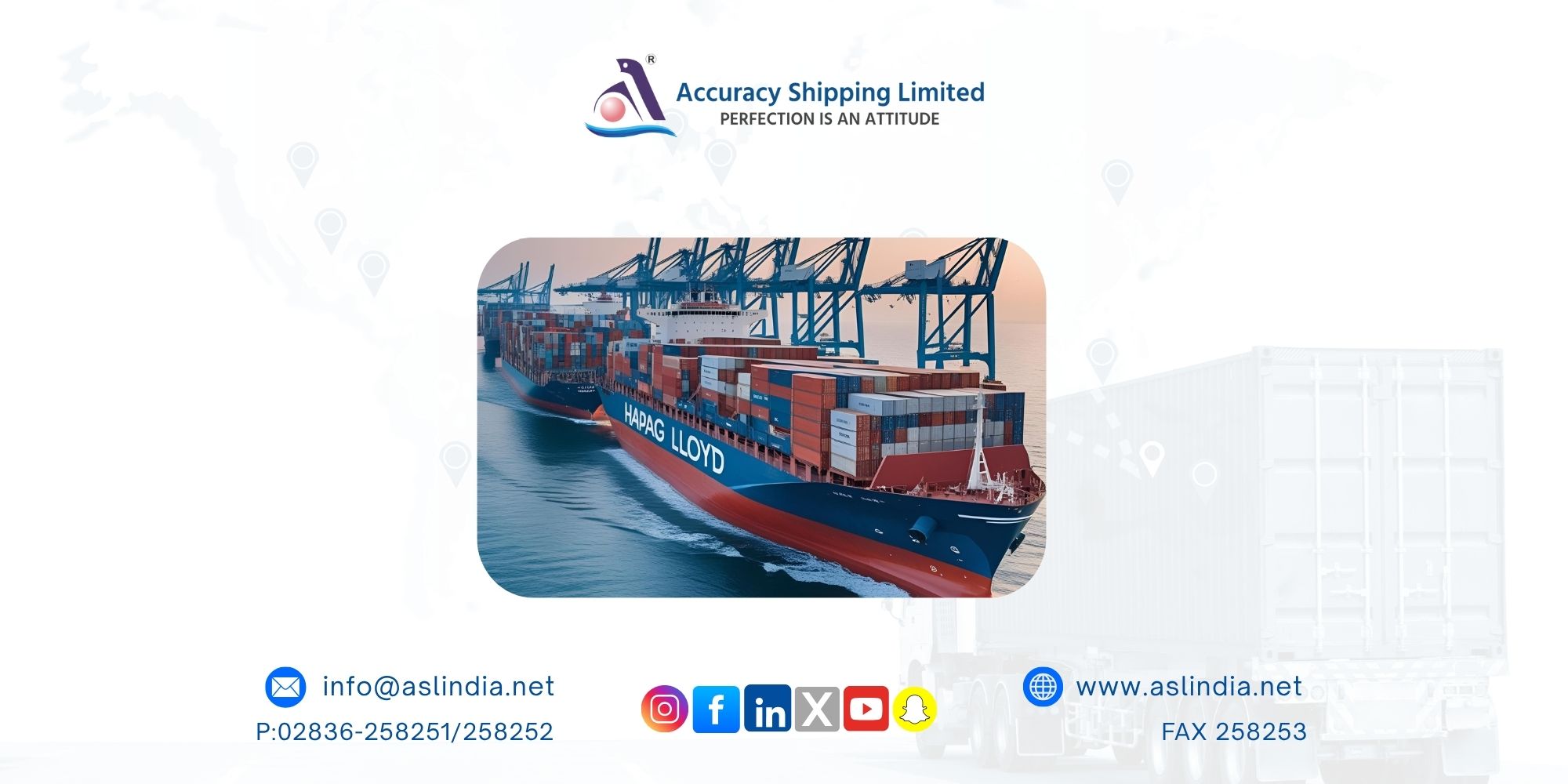
Services to the Port of Haifa will be temporarily reduced by Hapag Lloyd
 19 Jun, 2025
Kerala High Court ordered the sister ship to be conditionally arrested
 25 Nov, 2025
Mahindra XEV 9S could dent XEV 9e sales numbers, launch on November 26
 01 Jan, 2026
Air cargo rates drop following peak demand
 31 May, 2025

