


Dramatic protests in Lok Sabha prevent PM’s reply to the motion of thanks

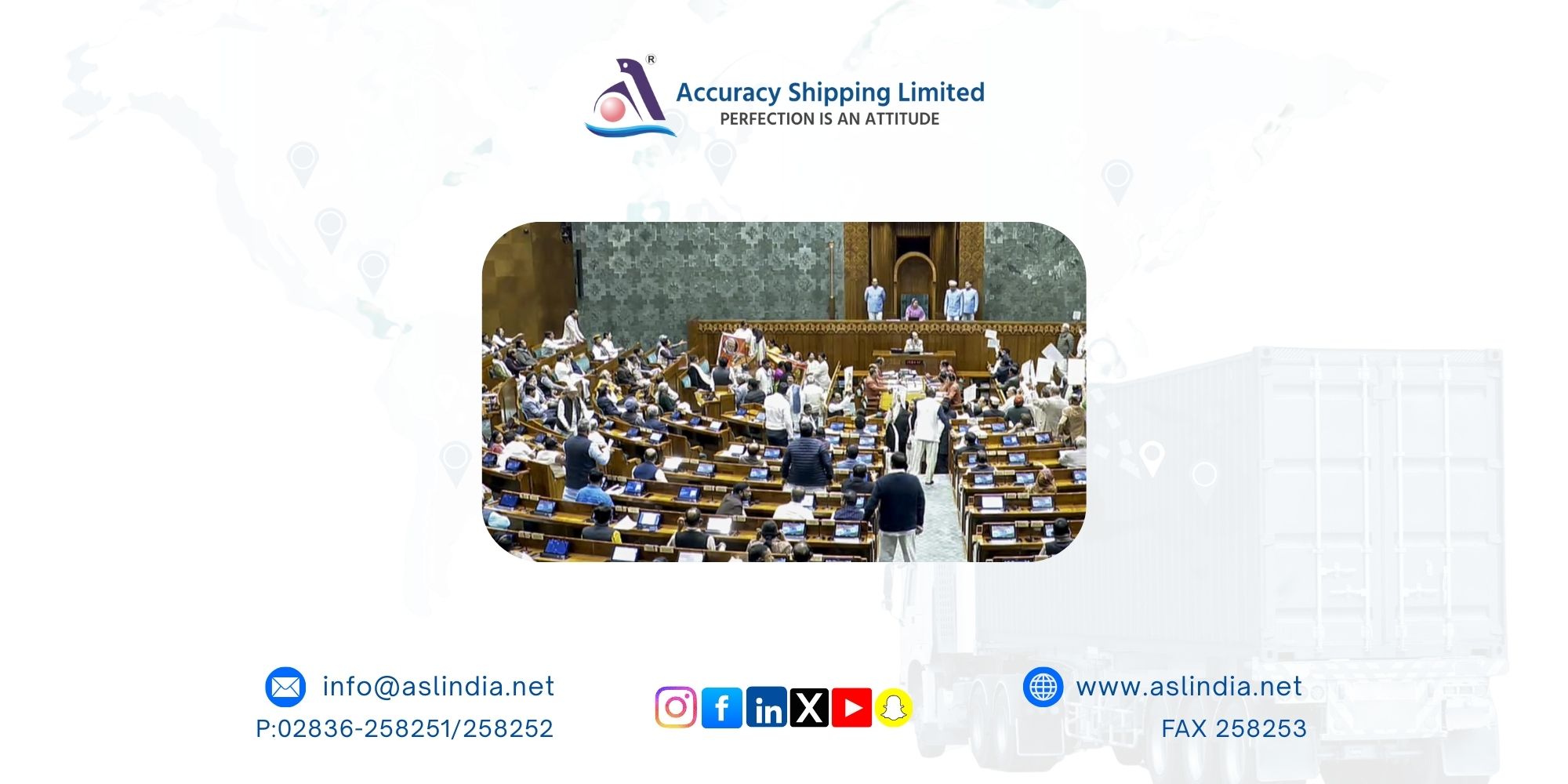
The Lok Sabha witnessed unprecedented scenes of protest and confrontation on Wednesday, February 4, 2026, forcing the adjournment of proceedings and preventing Prime Minister Narendra Modi from delivering his customary reply to the Motion of Thanks on the President’s Address. The day unfolded with sharp exchanges, allegations of procedural bias, and visible unrest on the floor of the House.
High drama ahead of PM’s scheduled reply
The Prime Minister was scheduled to respond to the debate on the Motion of Thanks to President Droupadi Murmu around 5 p.m. However, before his arrival, women MPs from Opposition parties crossed the aisle and stood in front of the Treasury benches, holding banners near the Prime Minister’s front-row seat. The protest was triggered by allegations made by a BJP MP against former Congress Prime Ministers.
With the situation escalating, BJP MP Sandhya Rai, who was presiding at the time, adjourned the House for the day. As a result, Mr. Modi could not deliver his reply.
Congress sets condition: LoP must speak first
Following the adjournment, the Congress indicated that it would allow the Prime Minister to speak only after the Leader of the Opposition, Rahul Gandhi, was given an opportunity to address the House. The party maintained that a reply to the debate is meaningless if the Opposition is not allowed to fully participate.
‘Unreleased memoir’ sparks early controversy
Earlier in the day, Mr. Gandhi had displayed a physical copy of former Army chief Manoj Mukund Naravane’s “unreleased memoir,” Four Stars of Destiny, claiming it raised serious questions about the government’s handling of the 2020 India–China conflict. He challenged the Prime Minister to attend the session, stating that he would personally hand over the book.
On February 2, Lok Sabha Speaker Om Birla had barred Mr. Gandhi from quoting from the memoir, citing the fact that it had not been officially published.
Allegations against former Prime Ministers trigger uproar
The most intense disruption occurred around 2 p.m., when BJP MP Nishikant Dubey read from books such as Edwina and Nehru and The Mitrokhin Archives, making allegations against former Prime Ministers Jawaharlal Nehru and Indira Gandhi.
Despite repeated requests from TDP MP Krishna Prasad Tenneti, who was chairing the session, Mr. Dubey continued reading from the books. Rule 349 of the Lok Sabha, which prohibits members from reading from books or documents unrelated to House business, was cited but not enforced effectively. Mr. Dubey spoke for nearly three minutes without his microphone being muted, prompting Congress MPs to rush into the Well of the House.
Opposition alleges double standards and deliberate disruption
Outside Parliament, Congress MP Priyanka Gandhi Vadra accused the government of using Mr. Dubey to deliberately disrupt proceedings. She alleged selective enforcement of rules, stating that while the LoP’s microphone is switched off quickly, BJP MPs are allowed extended time despite violating norms.
Congress MP K.C. Venugopal echoed these concerns, alleging clear double standards and questioning why the Speaker’s constitutional authority was not exercised uniformly.
Speaker expunges remarks, Opposition plans joint strategy
After the House was adjourned until 5 p.m., Congress leaders met Speaker Om Birla to demand action against Mr. Dubey. By late evening, the Speaker’s office expunged several objectionable remarks from the official records.
Later that night, senior Congress leaders met at the residence of party president Mallikarjun Kharge and decided to coordinate a joint strategy with other Opposition parties. Congress communications chief Jairam Ramesh cited a 2004 precedent when the BJP, then in Opposition, blocked then Prime Minister Manmohan Singh’s reply to the Motion of Thanks.
He reiterated the party’s stance: the Prime Minister’s reply would only come after the Leader of the Opposition is allowed to speak, warning that the deadlock in Parliament may continue otherwise.
A stalled debate and rising political tensions
The events of February 4 underscore growing tensions in Parliament over procedure, free debate, and the role of the Chair. With both sides standing firm, the disruption has raised serious questions about the functioning of the Lok Sabha and the future course of parliamentary debate in the ongoing session.
Our Tag:
Share:

.png)
.png)
.png)
Newsletters

 26 Feb, 2026
New way to test life-threatening reaction to anesthetic
 07 Oct, 2025
DP World launches Hyderabad’s first reefer rail freight service to Nhava Sheva
 25 Feb, 2026
Rinku Singh leaves India camp, returns home due to family emergency
 13 Jan, 2026
Qatar Airways names Buyskes as cargo manager for UK and Ireland
 25 Aug, 2025

