



CONCOR Launches India’s First Reefer Express Train from Kanpur to Mundra Port in Cold Chain Rail Logistics Milestone

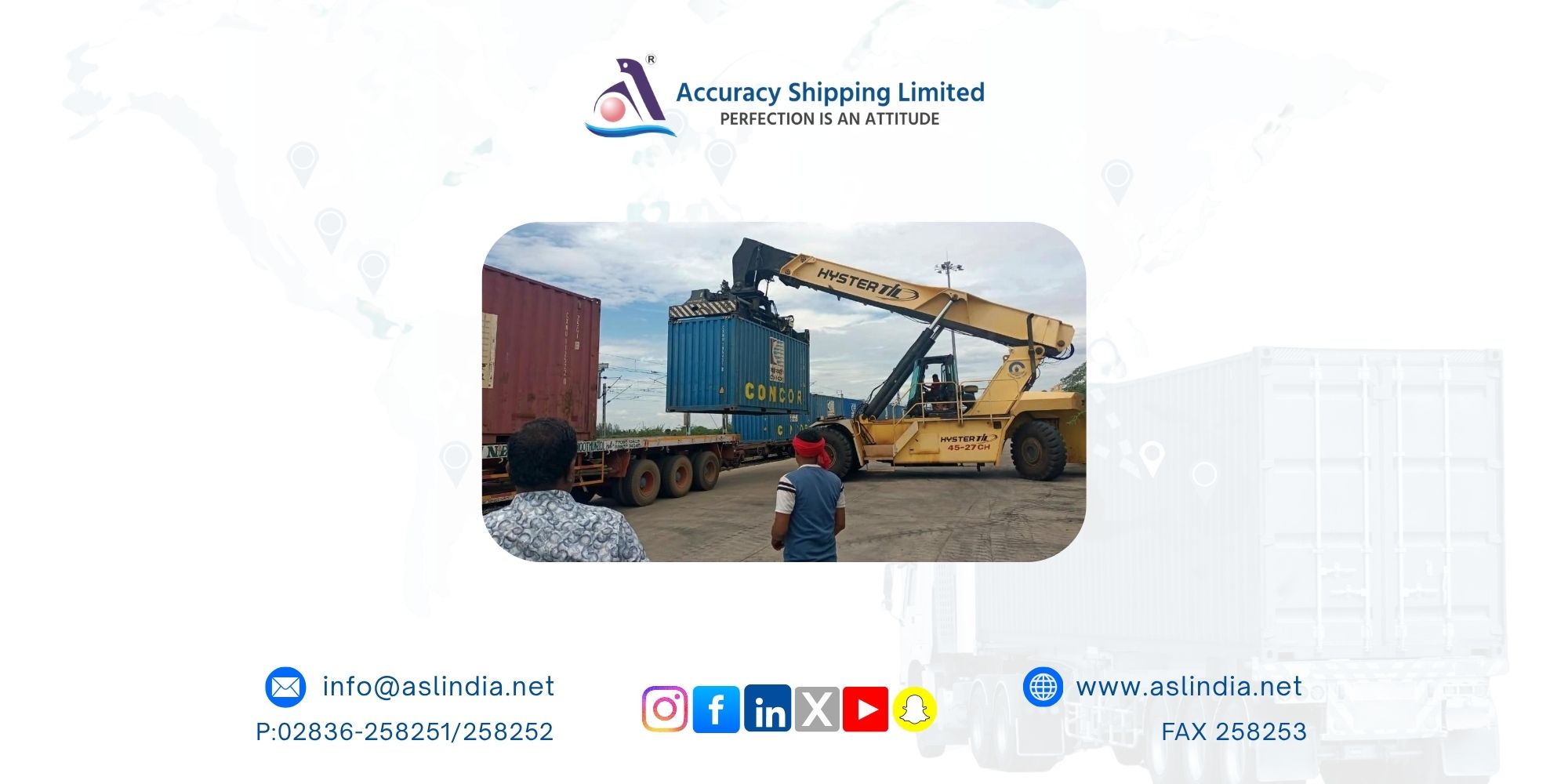
A Breakthrough in Cold Chain Rail Logistics from Kanpur to Mundra Port
Introduction to a Logistics Milestone
India’s cold chain logistics sector has taken a major leap forward with Container Corporation of India launching its first-ever dedicated Reefer Express train service from ICD JRY Kanpur to Mundra Port.
This landmark initiative establishes a direct, temperature-controlled rail corridor connecting one of North India’s most critical inland logistics hubs to the country’s largest commercial port. It unlocks new opportunities for exporters dealing in perishable and temperature-sensitive cargo across Uttar Pradesh and central India.
Strategic Collaboration Driving the Launch
The inaugural Reefer Express is the result of a strong collaboration between:
The flag-off ceremony was officiated by Ashutosh Singh, with the presence of officials from Indian Railways, Customs, and CONCOR. This multi-agency coordination highlights the complexity and significance of introducing a new logistics model at this scale.
Why Reefer Rail Is a Game Changer
Shift from Road to Rail
Traditionally, India’s cold chain logistics has been dominated by road transport. Temperature-controlled trucks have been the primary mode for moving perishable goods, but they come with challenges such as:
Higher fuel costs
Transit delays
Risk of temperature fluctuations
The Reefer Express addresses these issues by offering:
Dedicated temperature-controlled containers
Fixed and reliable schedules
End-to-end logistics management
Faster, Safer, and More Efficient
The Kanpur–Mundra corridor spans approximately 1,200 km.
Road transit: 24–36 hours with multiple risk points
Rail transit: Predictable schedule with improved consistency
Key advantages include:
Lower fuel consumption
Reduced carbon emissions
Enhanced cargo safety
Better temperature integrity for sensitive goods
This makes the service highly beneficial for exporters of:
Agricultural products
Dairy items
Pharmaceuticals
Processed food
Integration with Global Supply Chains
The Role of Maersk
The involvement of Maersk adds immense strategic value.
By integrating the Reefer Express with its global logistics network, exporters can now access:
Seamless door-to-port-to-destination solutions
Single-window booking system
Efficient container management
This integrated logistics model reflects the future of global trade where rail, port, and ocean freight operate as a unified ecosystem.
Supporting India’s Expanding Rail Infrastructure
Indore ICD Development
A new inland container depot near Pithampur in Indore is set to be developed with an investment of ₹150 crore.
Key features:
Capacity of ~120,000 TEUs annually
Dedicated rail sidings
Integrated customs clearance
Advancements in Rail Freight Operations
Recent developments across Indian Railways include:
First 87-wagon long-haul freight train by the Rajkot Division
Record freight loading of over 3.5 million tonnes by Madurai Division in FY26
These advancements demonstrate a clear shift toward strengthening rail as a competitive alternative to road logistics.
What This Means for Indian Exporters
Enhanced Export Competitiveness
The Reefer Express creates a reliable cold chain backbone for inland exporters, enabling:
Reduced logistics costs
Improved product quality upon arrival
Better access to global markets
Sustainability and Future Growth
Rail-based cold chain logistics supports India’s sustainability goals by:
Lowering carbon footprint
Reducing road congestion
Promoting energy-efficient transport
Conclusion
The launch of the Reefer Express by Container Corporation of India marks a turning point in India’s logistics landscape. By bridging the gap between inland production centers and global markets through a temperature-controlled rail corridor, this initiative sets a new benchmark for efficiency, reliability, and sustainability in cold chain logistics.
As infrastructure continues to evolve and partnerships with global players like Maersk deepen, India’s rail freight ecosystem is poised to play a much larger role in supporting high-value, time-sensitive exports.
Our Tag:
Share:

.png)
.png)
.png)
Newsletters

 03 Sep, 2025
Google must share data with rivals, dodges Chrome breakup, keeps Apple deal in landmark antitrust case
 15 Oct, 2025
Diwali sees rise in experience-led spending and high-value lifestyle purchases, say experts
 05 Nov, 2025
VOC Port inks ₹90,936 cr MoUs at India Maritime Week 2025 to drive Green Hydrogen Hub vision in Tuticorin
 06 Jun, 2025
US Woman Dies From Brain-Eating Amoeba After Using Tap Water For Nasal Rinse
 08 Oct, 2025

