



8 minutes of anger can stiffen your blood vessels and raise heart attack risk


In today’s fast-paced world, anger often feels like a normal reaction to stress. But new research suggests that even just eight minutes of anger can temporarily damage your blood vessels and increase the risk of heart attack and stroke.
This study highlights how strongly emotions can influence heart health sometimes more than we realize.
Anger and Blood Vessel Function
Scientists from several US institutions studied 280 healthy adults who had no history of heart disease, diabetes, or high blood pressure.
Participants were divided into four groups and asked to:
Recall an angry memory
Recall an anxious memory
Recall a sad memory
Stay emotionally neutral by counting aloud
Each task lasted eight minutes.
Afterward, researchers measured how well the participants’ blood vessels could dilate (expand). Proper dilation is crucial for healthy circulation and heart function.
The results were striking:
The anger group experienced nearly a 50% reduction in blood vessel dilation.
The impairment lasted up to 40 minutes after the anger episode.
The other groups (sadness, anxiety, neutral) showed no significant impact.
This shows that anger uniquely affects blood vessel health.
What Happens to Your Body When You Get Angry?
When you feel angry, your body enters a stress response mode.
Stress Hormone Surge
Anger triggers the release of stress hormones like:
Cortisol
Adrenaline
These hormones tighten the inner lining of arteries, known as the endothelium. This makes it harder for blood vessels to relax.
Reduced Blood Flow
When arteries cannot expand properly:
Blood flows less efficiently
Blood pressure rises
The heart works harder
While one episode of anger may not cause permanent damage, repeated episodes can prevent blood vessels from fully recovering.
Over time, this may:
Promote plaque buildup
Increase long-term risk of heart attack
Raise stroke risk
Anger vs Other Emotions
Interestingly, the study found that sadness and anxiety did not significantly impair blood vessel function.
Only anger caused a noticeable drop in dilation ability.
This may help explain why sudden emotional outbursts are sometimes linked to heart attacks especially in people who already have underlying cardiovascular issues.
What This Means for Heart Health
Impaired blood vessel dilation is considered an early warning sign of cardiovascular trouble.
Although a single burst of anger won’t immediately cause heart disease, frequent uncontrolled anger may gradually increase risk.
Cardiologists emphasize that understanding the emotional-heart connection can help people take preventive action early before serious damage occurs.
Managing anger is not just about emotional well-being it’s about protecting your heart.
Tips to Manage Anger and Protect Your Heart
If you notice frequent anger in your daily life, simple habits can significantly reduce stress on your heart:
Take Deep Breaths
Pause and count before reacting. Slow breathing lowers stress hormone release.
Exercise Regularly
Even a daily walk or yoga session improves circulation and reduces tension.
Practice Mindfulness
Meditation helps calm emotional reactions and improve control.
Seek Professional Support
If anger feels overwhelming, therapy or counseling can provide practical coping strategies.
Final Thoughts
This new research makes one thing clear: anger is not just an emotion it has physical consequences.
Even eight minutes of anger can temporarily weaken blood vessels and increase cardiovascular strain. While occasional anger is part of being human, repeated episodes without healthy coping strategies may gradually raise the risk of heart attack or stroke.
Protecting your heart means caring for both your body and your emotions.
Managing anger today could reduce serious heart risks tomorrow.
Our Tag:
Share:

.png)
.png)
.png)
Newsletters

 20 Sep, 2025
WHO's new report highlights the urgent need to address NCDs and mental health
 09 Mar, 2026
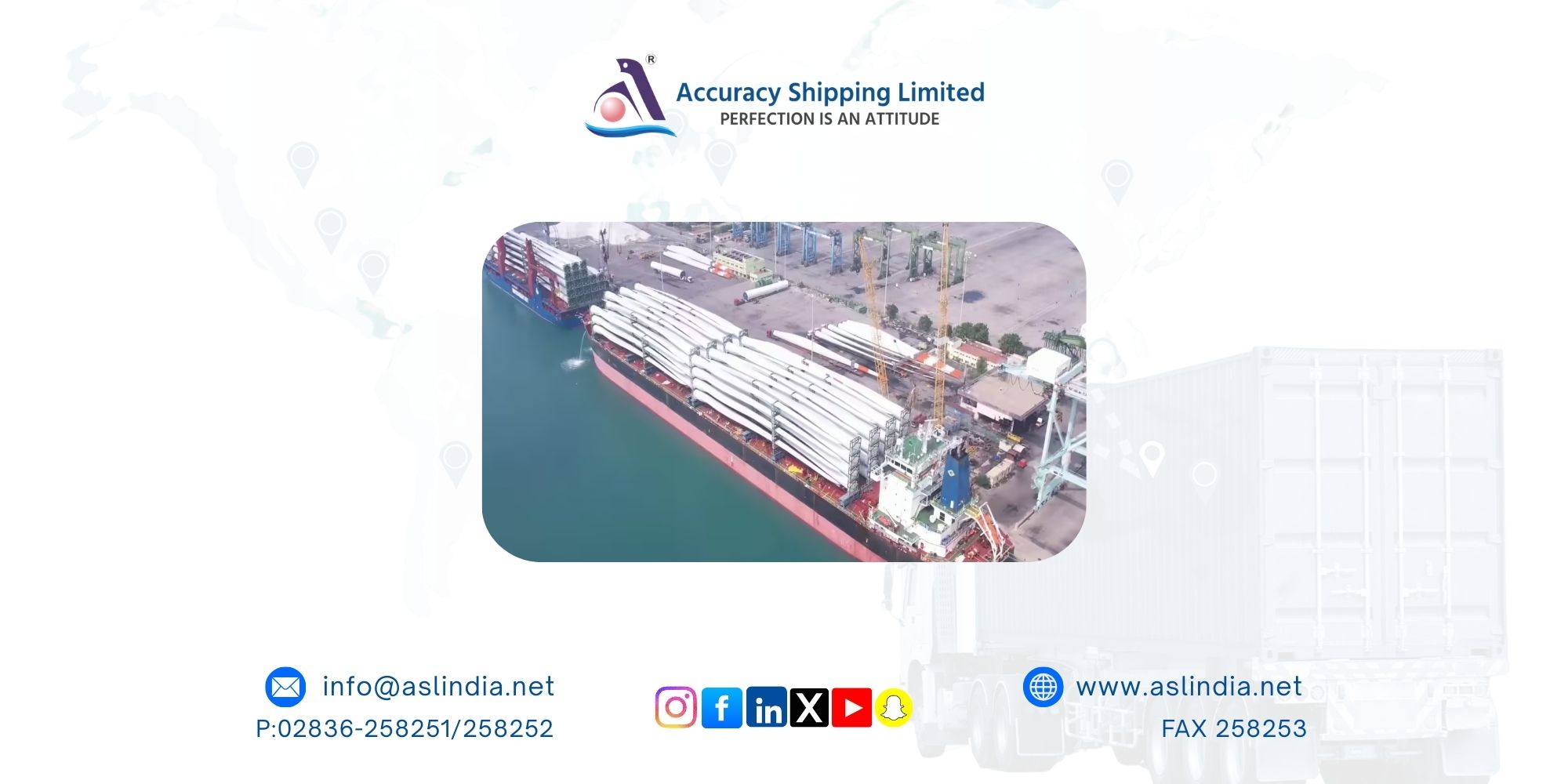
VOC Port Handles India’s Largest Windmill Blade Consignment
 19 Jun, 2025
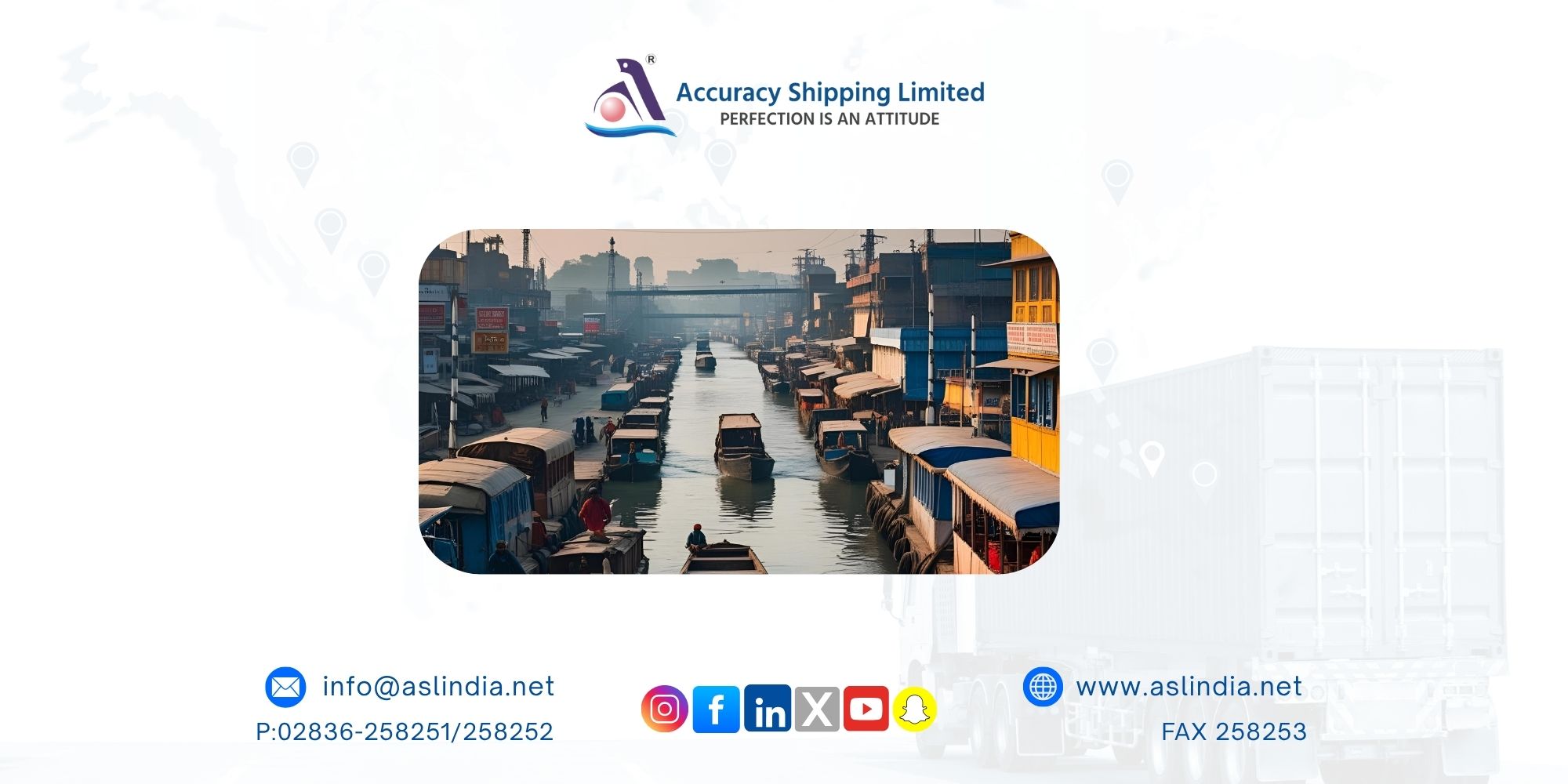
Patna to become Indias inland waterways hub
 06 Dec, 2025
Putin vows oil shipments to India will be ‘uninterrupted’ in defiance of US
 28 May, 2025

